

Monday November 9, 2026
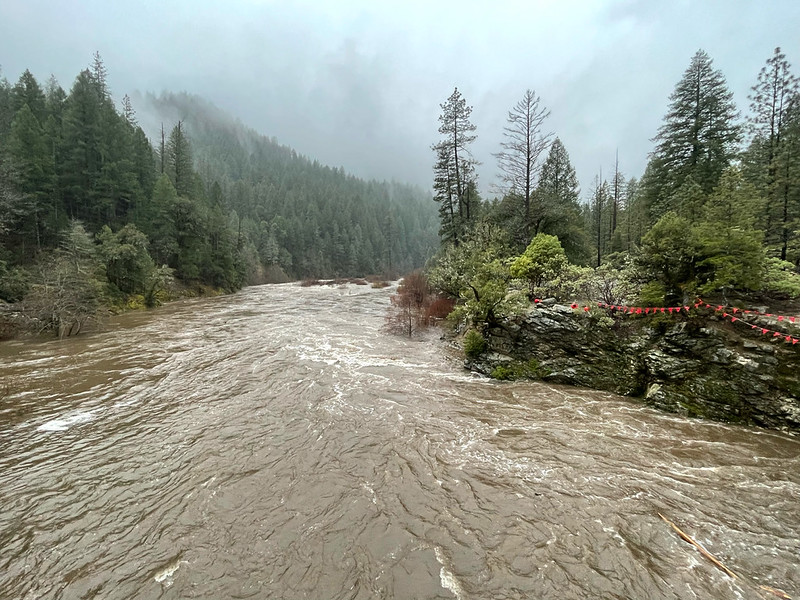
From high numbers of bluefin tuna to the first olive ridley sea turtle nesting in California, signs of an impending El Niño are here. A weather phenomenon that has been pervasive in the news, it starts in the tropical Pacific when surface waters become unusually warm and the easterly trade winds weaken. That ocean-atmosphere shift can rearrange weather patterns across the globe, and current sea surface temperatures indicate that this could be the strongest event in living memory. That makes this a serious anomaly to watch and be prepared for, but even a very strong El Niño does not guarantee a particular kind of winter in California.
That uncertainty is especially important in Northern and Central California where many FISHBIO field projects are in full swing over the winter months, right on the impact line where El Niño can be quite variable. A typical El Niño shifts the jet stream and storm track south, favoring wetter conditions across the southern United States, while the Pacific Northwest often leans drier. If the storm track settles a little farther north, atmospheric rivers can repeatedly hit Northern and Central California; if it stays south, those same watersheds may have a warm winter with limited precipitation and snowpack. This variability explains why past El Niño winters have produced everything from severe flooding to simply average water years in the same part of the state.
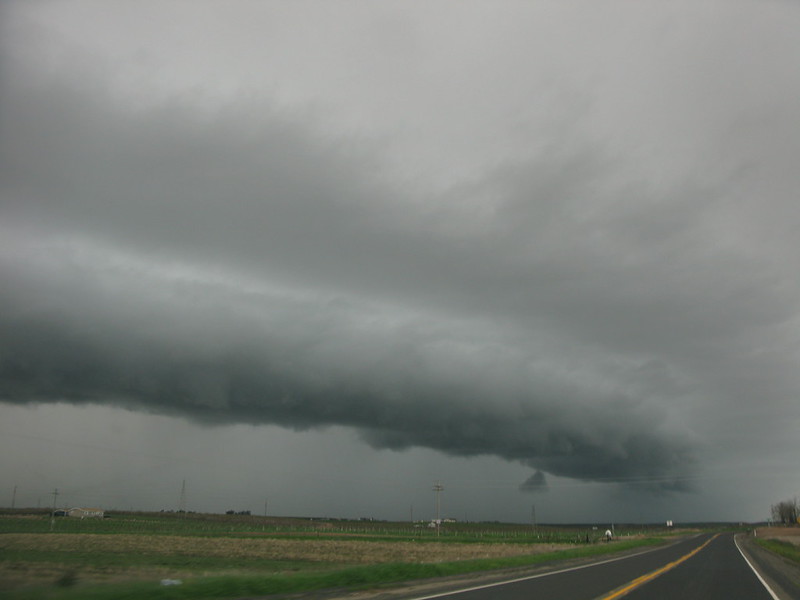
For life under the water’s surface, the story begins in the ocean. During the 2023–2024 El Niño, a major effect was that the annual spring upwelling was delayed, reducing the delivery of cold, nutrient-rich water to the surface. This is critical because upwelling supports species at the base of the food web. Changes to these forage communities are felt at higher trophic levels, affecting species like salmon through prey quality and availability. Because early marine survival heavily dictates future abundance, these forage shifts can severely impact future adult returns. After the 2015–16 El Niño (coinciding with the Blob), weak returns led to 2017 salmon fishery closures. Juvenile salmon surveys off the Pacific Northwest that year found some of the lowest catches in 20 years. Forecasting salmon abundance is also challenging during El Niño, with runs historically being over predicted, which can result in overfishing. Presently, forecasts indicate that the number of salmon returning to spawn in 2026 may be lower than expected because of current conditions. However, the effects of this event may not be visible until the 2027 and 2028 runs.
If the storm track lands on California, the freshwater side of the story can look almost opposite. Turbid water and a much larger volume of water can make juvenile fish harder for predators to find and can help carry them quickly downstream. High flows can reconnect side channels and spread across floodplains, where slower water provides refuge, and newly inundated land produces an abundance of aquatic insects and other fish food. Juvenile salmon that spend time on productive floodplains can grow faster and enter the ocean larger, which generally improves their chances of survival. Other species, like Delta smelt and white sturgeon, have historically had greater reproductive success in wet years.
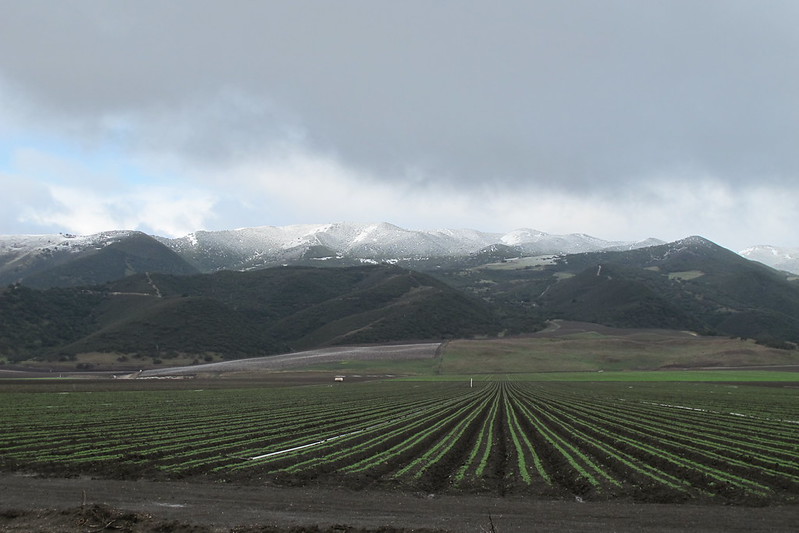
More water is not automatically better. Extreme floods can scour spawning gravel, displace fish, or strand them as water recedes. Warm storms may deliver heavy rain while adding little mountain snowpack, leaving less stored cold water for summer and fall. Despite coinciding with the start of the 2015–2016 El Niño, warm conditions and ongoing drought left little cold water in Shasta Reservoir in 2015, resulting in ~95% of winter-run Chinook eggs in the Sacramento River perishing. El Niño can create genuine opportunities for fish, but only when the timing and shape of the hydrograph match what the fish need.
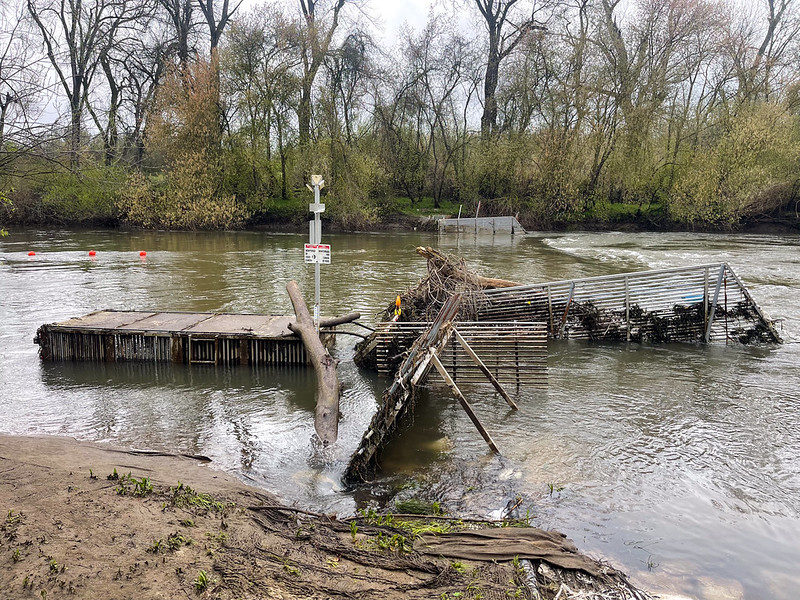
While high flows may help fish under certain circumstances, such conditions can also make monitoring extraordinarily difficult. Weirs collect leaves, branches, and sometimes whole trees; panels can be pushed under, damaged, or overtopped, and cameras can be blinded by muddy water. Rotary screw trap operations can go from routine to all-hands-on-deck overnight. Traps must be checked more often to protect fish, and high flows or unsafe access may force crews to pull equipment or suspend sampling entirely. These gaps in monitoring can make it harder for managers to accurately assess fish populations, track migration and spawning activity, and make management decisions.
Whatever El Niño brings to California this winter, understanding its impact comes down to the data collected. As river stages fluctuate and conditions shift, FISHBIO field crews will be on the front lines adapting operations, maintaining gear through high flows, and tracking how fish respond to challenging conditions.
Header Image Caption: High river flows can reshape habitat, migration conditions, and fisheries management during El Niño.
This post was featured in our weekly e-newsletter, the Fish Report. You can subscribe to the Fish Report here.