

Monday November 2, 2026
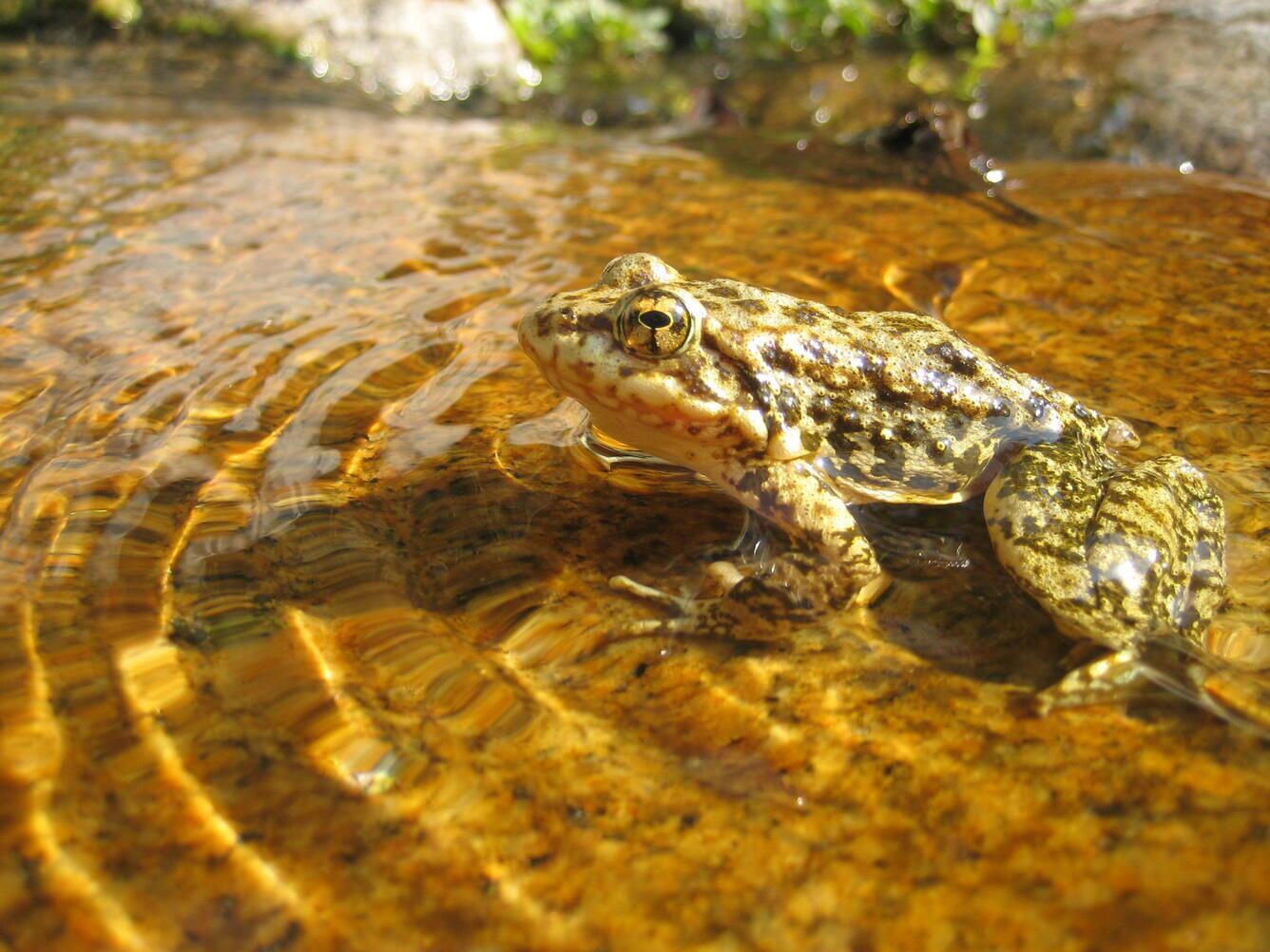
Above California’s Central Valley, the crisp waters of the Sierra Nevada are home to two imperiled frog species, the Sierra Nevada yellow-legged frog (SNYLF, Rana sierrae) and the mountain yellow-legged frog (MYLF, Rana muscosa). Once among the most abundant amphibians in the area, these species have experienced rapid population declines in recent years. Historically, both of these species fell under the name Rana muscosa. Not until 2007 did researchers determine that the SNYLF and MYLF were distinct species, based on differences in genetics, morphology, geography, and vocalizations. They are closely related to another California species, the foothill yellow-legged frog (FYLF, Rana boylii), found at lower elevations. Despite taxonomic differences, California’s yellow-legged frogs share a close dependence on aquatic habitats and adaptations suited to the waterways where they live.
The SNYLF and MYLF are high-altitude specialists, sometimes found as high as 12,100 feet. As a result, they possess fine-tuned life-history traits to help them survive in their unique environment. These species can spend two to four years as juveniles before metamorphizing into adults. Because of this long aquatic phase, they need permanent water bodies that do not dry up or freeze solid. As adults, they will overwinter in deep pools to survive the harsh winters. In age studies of the MYLF, the average life span is 9.5 years, with one male living to be 21 (the oldest living wild ranid frog). The same study found that MYLF have a long generation time (7.4 years), likely because drought, fire, and disease make reproduction difficult. Although yellow-legged frogs have thrived in alpine ecosystems for thousands of years, new stressors have resulted in their drastic decline.
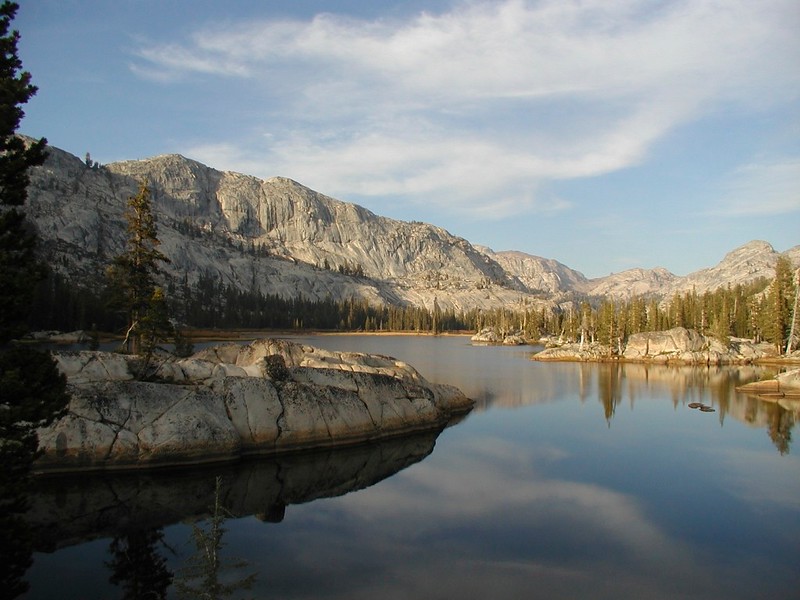
Recent surveys indicate that 93–95% of SNYLF and MYLF populations are now extinct because of a combination of stressors. Historically, many mountain lakes and streams inhabited by these frogs were free of fish. Stocking practices in the late 19th century introduced species like rainbow and brook trout, which prey on yellow-legged frogs. Disease has also played a role in their decline. In 1991, a mass mortality event caused by red-leg disease was documented in MYLF populations. Additionally, chytrid fungus, which has led to the extinction of 200 species globally, has been present in the Sierra Nevada since the 1970s. Water diversions and habitat degradation also threaten these two species. Similar pressures affect the FYLF in foothill rivers and streams, where it depends on healthy waterways and has also experienced declines, with some populations listed as Threatened or Endangered. For the two mountain species, these threats have resulted in both being listed as Endangered and prompted new research and conservation efforts aimed at securing their future.
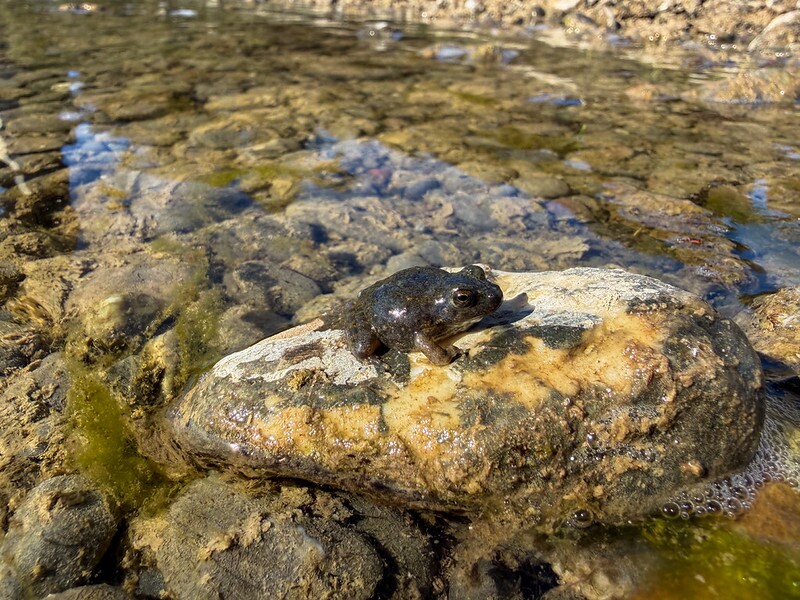
Nowadays, government agencies, universities, zoos, aquariums, and conservation organizations are collaborating to protect the SNYLF and MYLF. To tackle the problem of low population numbers (with fewer than 200 wild adult MYLF in 2021), various programs have captively bred and raised these frogs to help them live past vulnerable life stages. The captive breeding process has many nuances, including cryogenically freezing sperm, administering hormone injections, and simulating environmental conditions. These efforts culminate in large releases, where hundreds of frogs are reintroduced (sometimes involving a helicopter ride) into their native environments. Recovery efforts focused on helping frogs survive the chytrid fungus introduce frogs to small amounts of the fungus to help them build immunity. However, these efforts alone cannot restore these species. Projects to restore yellow-legged frog habitat and remove introduced fish are underway so that the environment can support reintroduced frogs. Together, conservation efforts aim to increase frog numbers and rebuild self-sustaining populations.
As recovery efforts continue, researchers are turning to genetics to guide management decisions. These studies help to define management units, understand the impacts of translocations and reintroductions, and grasp the role of disease defense and healing in these species. Whether in alpine lakes or foothill streams, protecting these frogs means matching conservation efforts to each species’ needs and keeping their aquatic habitats healthy. While it is a long path to recovery, ongoing releases, habitat restoration, and genetic research may give yellow-legged frogs a fighting chance at survival.
Header Image Caption: Yellow-legged frogs were historically abundant amphibians in California’s high-elevation waters. ©USGS
This post was featured in our weekly e-newsletter, the Fish Report. You can subscribe to the Fish Report here.