

Wednesday September 3, 2025
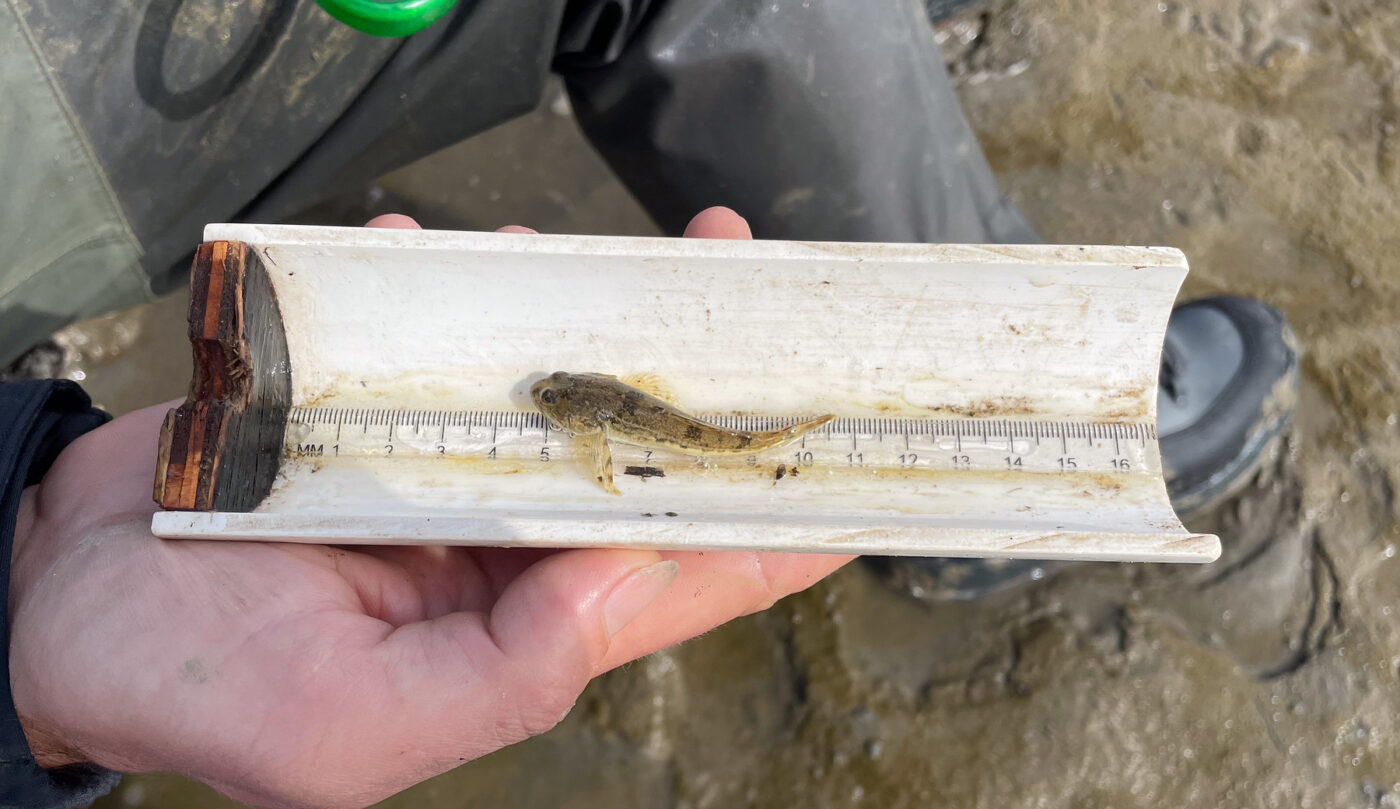
Common names: Pacific Staghorn Sculpin
Scientific name: Leptocottus armatus
Native range: West Coast of Mexico to Canada
Status: Least Concern
Habitat: Shallow tidewaters and freshwater streams
First described in 1854 in San Francisco, the Pacific staghorn sculpin (Leptocottus armatus) is the sole member of the genus Leptocottus. This species is found on the west coast of Mexico, the United States, and Canada. Adults typically reach 12 to 15 cm in length and are known for their antler-like gill covers bearing 3 to 4 spines. Their coloration transitions from a dark gray-green on their dorsal side to yellowish lateral areas and white bellies. Their coloration serves as camouflage, often making them difficult to spot in their habitat. Larvae develop in estuaries over soft, sandy substrates. As they grow, juveniles move into freshwater environments before dispersing as adults into marine waters or farther upstream. Their diet includes crustaceans, invertebrates, small fish, and aquatic insect larvae. Pacific staghorn sculpin reach sexual maturity at approximately one year of life. Spawning occurs from October to April with females spawning only once per season and laying 2,000 to 11,000 eggs.
Fun fact: In reference to this species’ long, sharp spines, the species name “armatus” is derived from the Latin word for armor.