

Monday March 2, 2026
Fish rely on many of the same senses that humans do to navigate their aquatic world. Many fish species have developed extensive chemical and mechanical receptor structures that allow them to detect food, sense threats, and find their way back home. Fish smell using chemical receptors that communicate information to their brains for scent identification (olfaction). Water carries chemical scent particles through olfactory pits—essentially nostrils—on a fish’s snout, where particles contact chemical receptors and transmit information to the brain. The size and specialization of these structures vary among species but are often associated with how much a fish relies on smell for survival. For example, sharks, known for their keen sense of smell, have more receptors or larger brain structures associated with olfaction compared to other species. While villainized in movies, sharks cannot actually smell a drop of blood from a mile away—in reality, they can smell up to several hundred yards away.
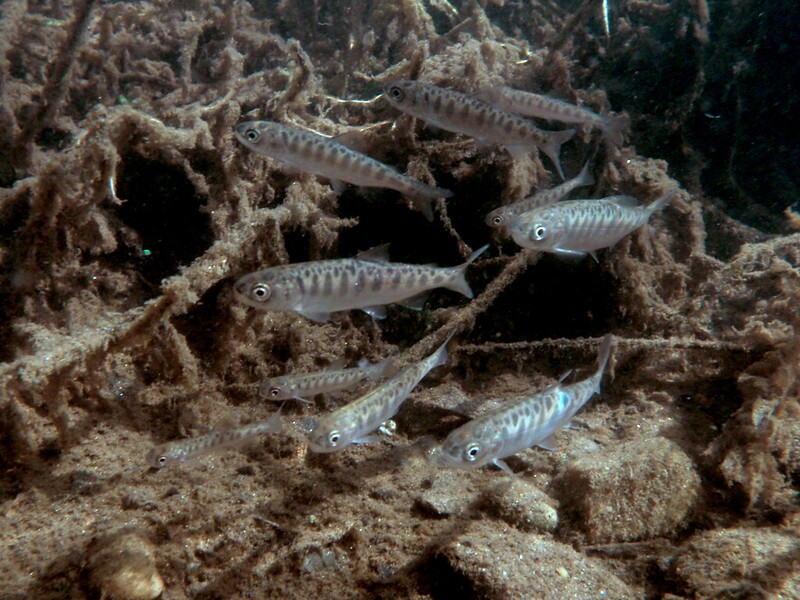
Many fishes rely on smell to locate food—one reason smelly baits may outperform others. In contrast, some pufferfish (Tetraodontidae) have small smell structures and are thought to rely mainly on sight to feed. Aside from using smell to find and choose food, olfaction is important for migratory fishes like salmon to find their way home to spawn. Juvenile salmon imprint on environmental chemicals as they migrate to large bodies of water where they spend their adulthood. These same cues later act as attractants to adults, helping them find their way back to natal streams for spawning. Another important chemical cue for fish is Schreckstoff, a chemical warning signal released from the skin of injured fish to alert others to nearby danger.
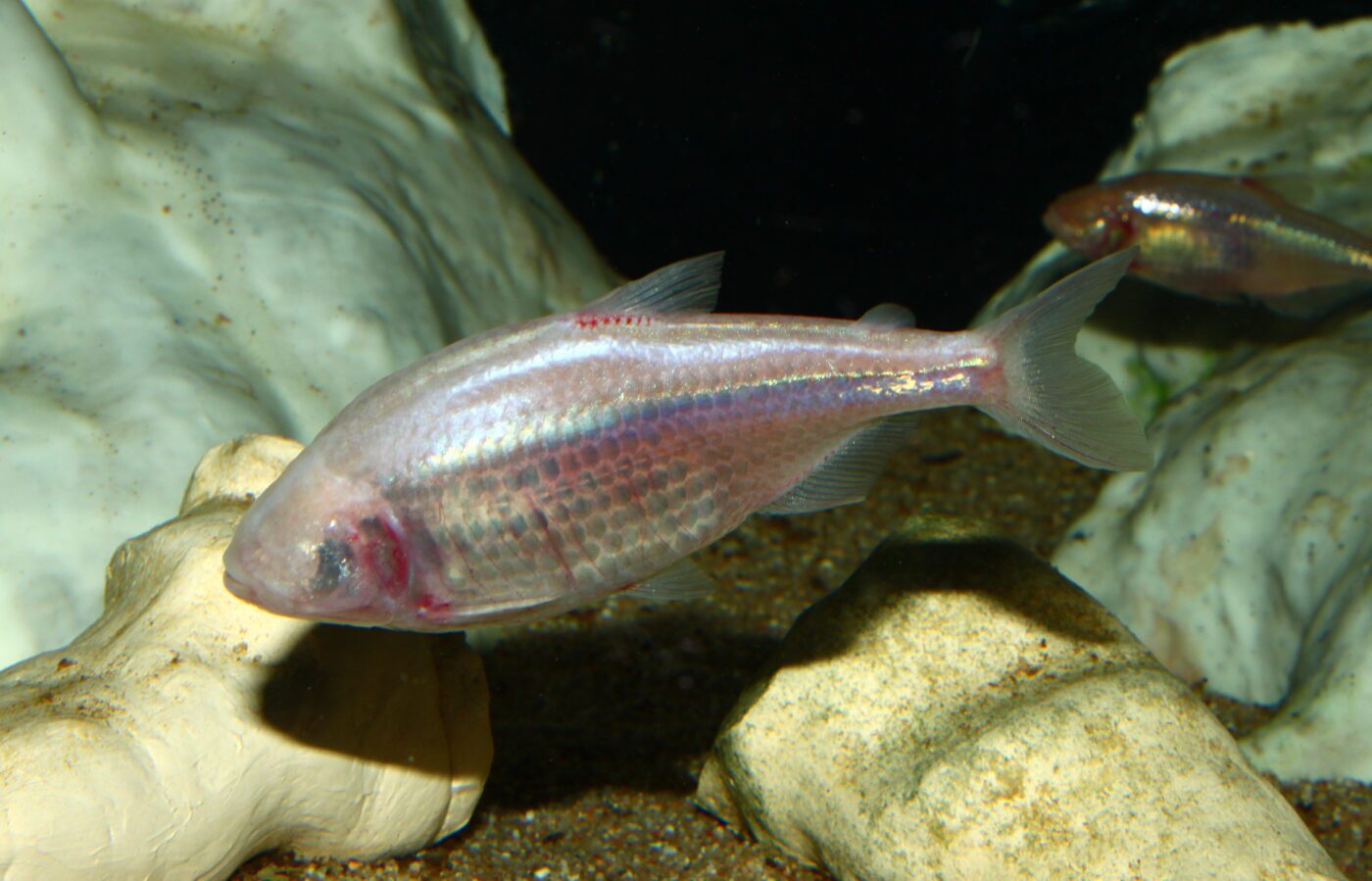
Like humans, fish have food preferences influenced by their sense of taste. Fish have cells—like taste buds—in their mouths, lips, barbels, and, in some cases, skin and fins. Fish heavily reliant on taste have more external receptors and larger brain structures associated with taste. Bottom-dwelling fishes often have more taste structures than fish that stay in the water column, likely because they live in murky, low-visibility conditions. The Mexican tetra (Astyanax mexicanus) even exists in two forms—blind fish living in caves with external taste buds that compensate for their lack of eyes, and eyed fish living in streams. Sturgeon use taste buds on their barbels to find their prey, and some cod species even have taste buds on their fins!
Other vital fish senses, including hearing, equilibrium, and touch, are communicated through mechanical pathways. Fish tissues are relatively similar in density to surrounding water, but inner ear structures, called otoliths, are dense bony structures that detect vibrations as sound waves pass through them. Otoliths are surrounded by hair cells that send information through the auditory nerve to the brain when stimulated. Fishes with gas bladders have enhanced hearing because the gas bladder, like the otolith, is a different density than the water and tissue around it, helping translate sound waves. Inflation and deflation of the gas bladder can even change the frequencies a fish can hear.

The auditory system is involved with threat evasion as well. Mauthner cells are specialized neurons that allow fish to react to stimuli with rapid “C-start” responses. Input to these neurons comes from the auditory system and can be triggered by sounds or movement, allowing a fish to evade unwanted stimuli, such as predatory danger or unsolicited romantic advances. Also located inside the ear is a fish’s source of balance or equilibrium. Hair cells in the inner ear transmit information to the fish about their acceleration and existence in a three-dimensional space. The bending of these cells sends information about the direction of a fish’s movement to the brain. Similarly, hair cells on a fish’s lateral line bend in response to changes in water density, allowing fish to sense nearby movement. Preliminary work on pictus catfish (Pimelodus pictus) suggests that membranous fins (like pectoral fins) have receptors that can communicate touch sensation to the brain!
Aquatic environments require specialized senses to succeed, and fish are well-equipped to thrive in these habitats. From the detection of light and movement to the interpretation of chemical signals and pressure changes, a fish’s perception is an integration of all its senses. The development and reliance on mechano- and chemoreception varies widely among species, shaped by their residential habitats and life histories. Together, these specialized systems underpin key behaviors that determine both individual fitness and population persistence. Mechano- and chemoreception are just a glance into the senses that fish use to navigate and survive their aquatic environments. Stay tuned for more installments in our Sensory Perception miniseries as we explore the other senses that allow fish to thrive in their diverse environments!
This Fish Report is part of our Sensory Perception miniseries, where we highlight important sensory structures that allow fish to thrive in aquatic environments.
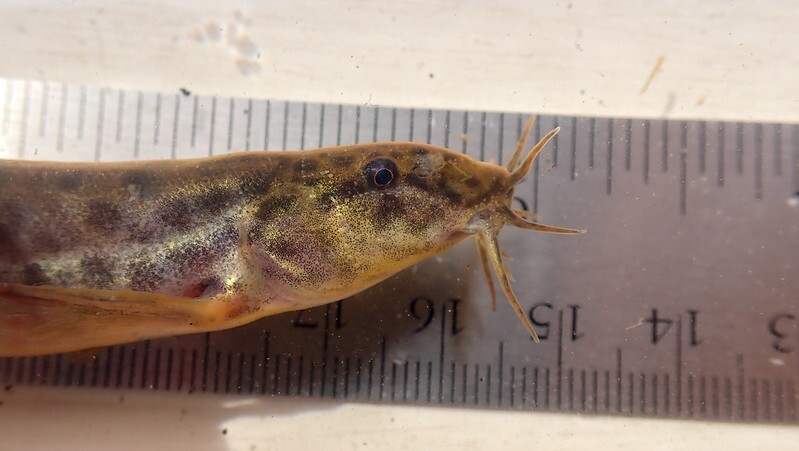
Header Image Caption: Fish use extensively developed chemical and mechanical receptor structures to help them navigate their environments. Barbels, such as those on the Weather Loach, are examples of how fish taste.