

Monday March 23, 2026
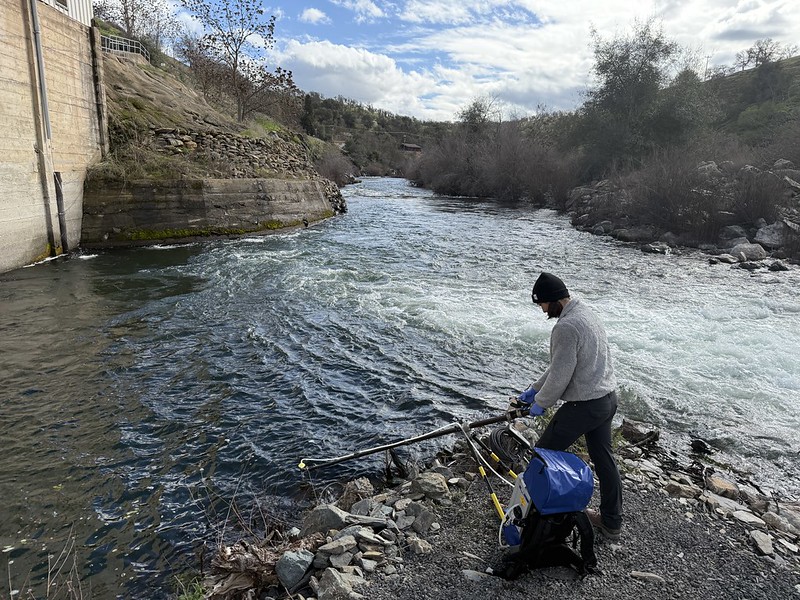
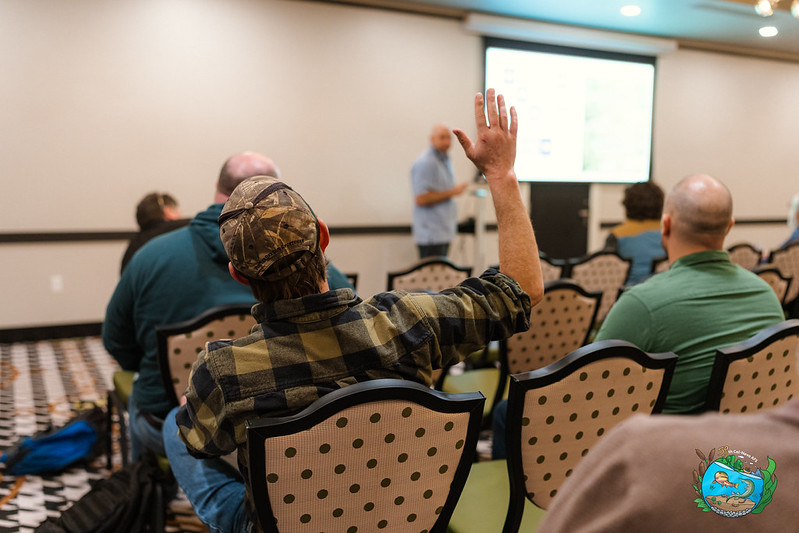
It is no secret that DNA contains valuable information, and sequencing methods have been used for decades in biological research. In recent years, these procedures have become cheaper, easier to use, and more accessible, shifting DNA data from a niche lab specialty to a handy tool for field biologists. This means that the use of molecular methods and technologies is transforming fisheries research in new and innovative ways. With DNA sampling methods, ranging from backpack samplers and hand-pump syringe kits to simple fin clips or genetic swabs, researchers can access genetic information and answer questions that traditional methods, like nets or traps, could not address. Recently, the session “DNA & eDNA” at Cal-Neva 2026 introduced attendees to new research that uses DNA to answer study questions and inform solutions for fisheries management challenges in California, Nevada, and the Pacific Northwest.
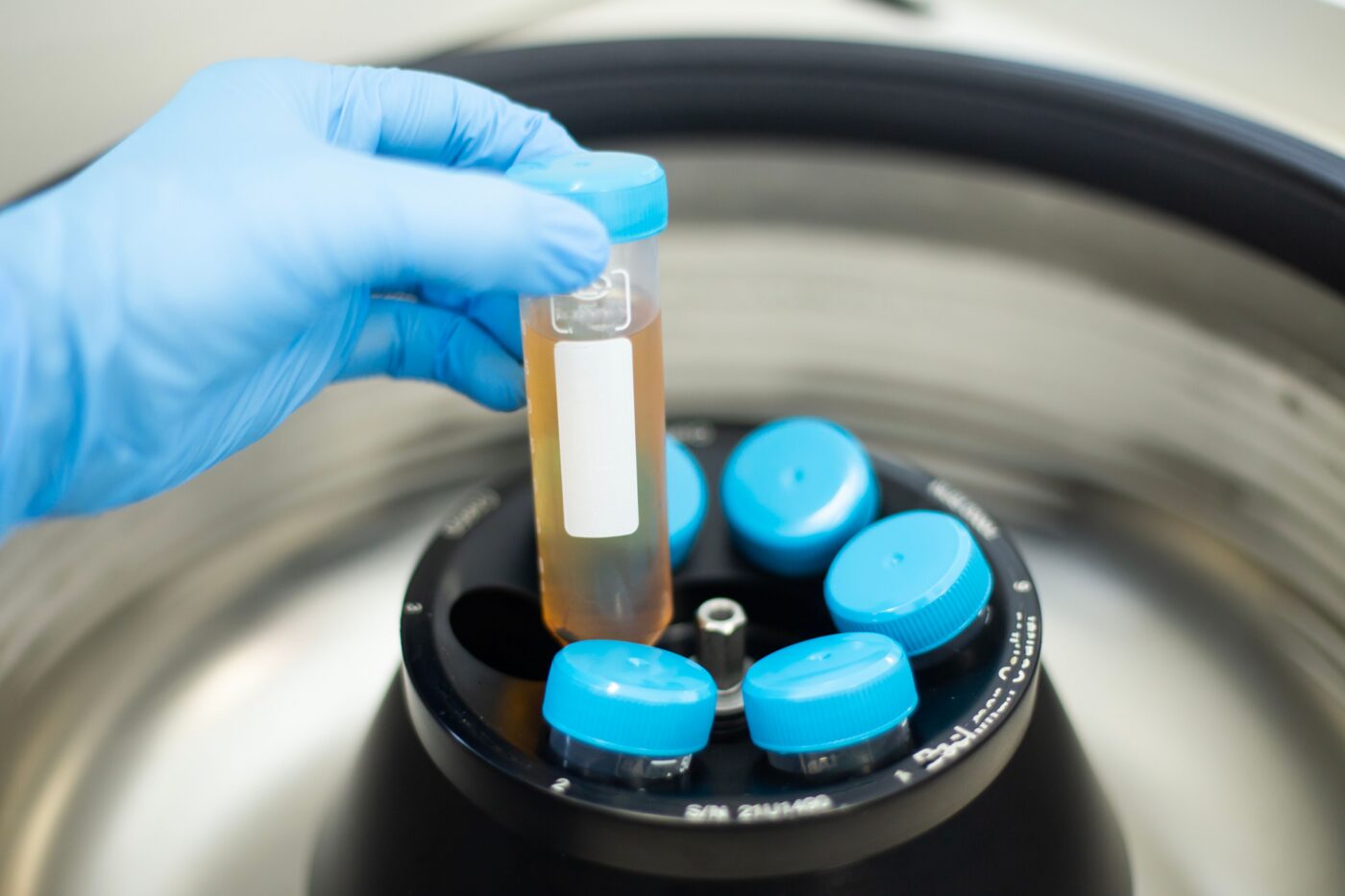
Commonly used DNA extraction methods in fisheries science involve invasive sample collection processes, like fin-clipping or swabbing, that take place while a fish is out of water. This can be stressful, or even harmful, for the fish being sampled. Winnemem Wintu tribal member and scientist, Jamie Ward, presented on the development of less invasive sampling methods. His research focuses on isolating a fish in water in a container and sampling that water for DNA. While this research is still ongoing, preliminary data indicate that this method can provide sufficient DNA material to conduct genotyping—a method that looks at tiny genetic differences to determine parentage and conduct stock identification, among other things. This research highlights recent improvements in eDNA sampling methods, allowing scientists to move towards less invasive approaches.
The application of modern DNA sampling to evaluate restoration impacts was another strong theme during the session. One talk, given by Dylan Keel with Resource Environmental Solutions, explained how the Klamath River Renewal Project leveraged eDNA samples to explore pre- and post-restoration fish diversity. When considering large-scale restoration efforts like the Klamath Dam Removal, pre-project data for comparison are critical to understanding how the removal impacts the region. This talk discussed the development and use of the Klamath River Renewal Project molecular library, complete with a set of more than 1,000 environmental samples that can be used for DNA sequencing. Importantly, the samples were collected pre-dam removal, mid-dam removal, and post-dam removal, to evaluate the success of this project. Preliminary results of the project indicated that the pre-dam removal samples showed higher native fish diversity in streams than in reservoirs.
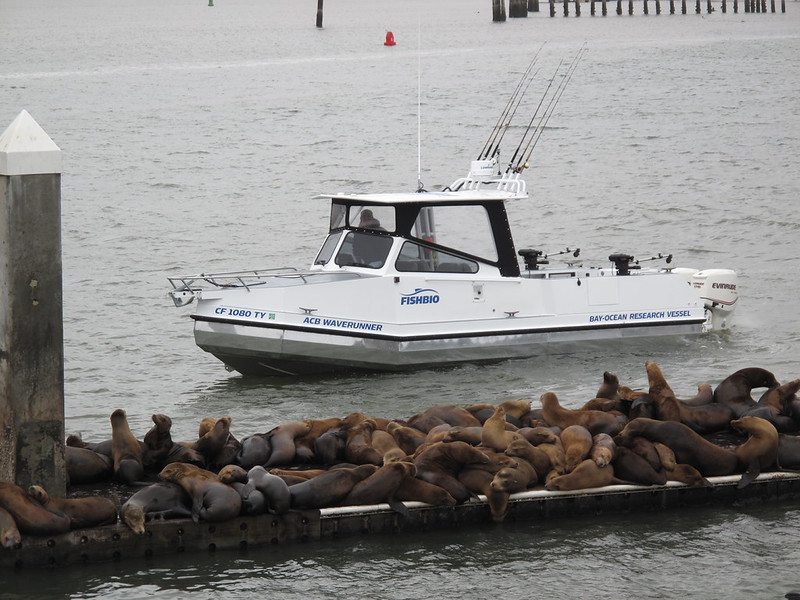
A talk delivered by Andy Lara from Cramer Fish Sciences, highlighted the use of modern DNA methods in forensic ecology. To better understand the impact of predators on native species—in this case, Pacific lamprey and anadromous salmonids—this research sampled prey DNA in the digestive tracts of 162 predators in the Columbia River Basin, including invasive fishes, birds, and pinnipeds. From these samples, they found that Chinook salmon were the most frequently detected prey item and that Pacific lamprey were consumed by all three predator groups. Scott Blankenship (Genidaqs) discussed the benefits of using DNA in the form of parentage-based tagging (PBT), over carcass surveys and juvenile production estimates, to estimate spawner abundance, sex ratio, egg-to-fry survival, recruitment rates, and effective population size—all important factors for fisheries management decisions.
One talk in the session, given by Dr. Andrew Kinziger from Cal Poly-Humboldt, left attendees feeling inspired about how DNA methods are being developed, fine-tuned, and built upon for future uses. This research explored an approach for estimating how quickly eDNA is shed from an organism, while accounting for how fast it breaks down in the environment. Down the line, models and methods like these could open the door for estimating species abundances from eDNA, which is currently a limitation of the technology.
DNA methods have been around for decades, but they are quickly becoming more approachable and accessible. The “DNA & eDNA” session at Cal-Neva AFS gave attendees insight into how these approaches are being used in California and Nevada for fisheries research. Alongside current cutting-edge applications, many of the research projects presented provided glimpses into new innovations that will continue to develop and push boundaries for years to come.
This post was featured in our weekly e-newsletter, the Fish Report. You can subscribe to the Fish Report here.
Header Image Caption: DNA methods have become cheaper, easier to use, and more accessible in recent years.