

Monday January 12, 2026
In some places, if you don’t like the weather you just have to wait an hour and it will change. That is not always the case though, and three consecutive wet years in California show that some weather patterns may stay for a while. Having three wet years is unusual in this region, in fact, the last time this happened was in the late 1990s. What’s more, these wet years followed three persistent drought years from 2020 to 2022. The typical pattern, at least in recent decades, is to have a series of drought years fall between occasional wet ones (which are often unusually wet). Luckily, there are some fish species jumping at the chance to take advantage of this wet weather pattern, including salmon.
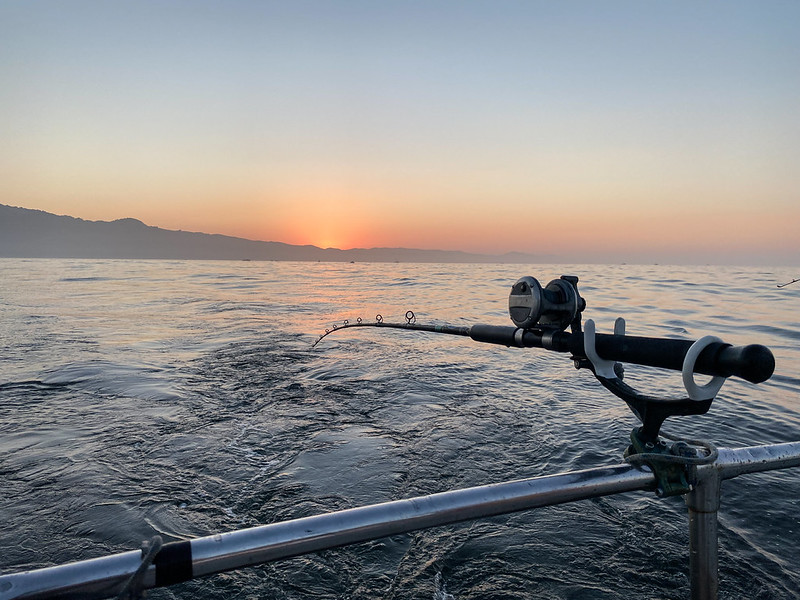
Between 2020 and 2022, poor conditions in Central Valley tributaries and long-term population declines meant that few adult salmon returned and successfully spawned. This resulted in a small number of offspring produced. The same poor conditions also meant that few of those offspring survived their outmigration to the ocean. As those salmon cohorts matured in the ocean (for two to three years) and prepared to return home to spawn, poor estimates of annual adult spawner abundance led the Pacific Fishery Management Council to make the unprecedented decision to close the commercial salmon fishery for three consecutive years (2023 to 2025). Although this was economically challenging for the fishing industry, it meant potentially 50–75% more adult salmon could survive and return to Central Valley rivers to spawn.
Along with the benefits of a reduced harvest, in 2023, California’s salmon populations were also met with a historically wet season in the spring and winter. These conditions meant that a large cohort of juveniles was able to successfully migrate to the ocean to mature. Between this large cohort that made it to the ocean in 2023, the salmon fishery closures, and the recent wet years, a promising number of salmon are now making their way home to spawn.
Early indicators include fall-run Chinook salmon reaching high numbers in the Sacramento, Feather, and Klamath Rivers. Now, spring-run Chinook salmon are being tallied in rivers like the San Joaquin. As of November 2025, the Klamath tributaries Jenny and Shovel Creek have recorded 208 and 260 Chinook, respectively. An impressive 2,100 Chinook returned to spawn in Putah Creek. Recently, salmon were seen in waterways they have been absent from for decades, like East Branch Russian Gulch and Alameda Creek. The news of increasing returns this year builds on promising numbers from coastal watersheds from the winter of 2024–2025, with high numbers of coho salmon returning and spawning on the Mendocino coast. These return numbers are critical as managers use them to develop abundance estimates and inform management decisions.
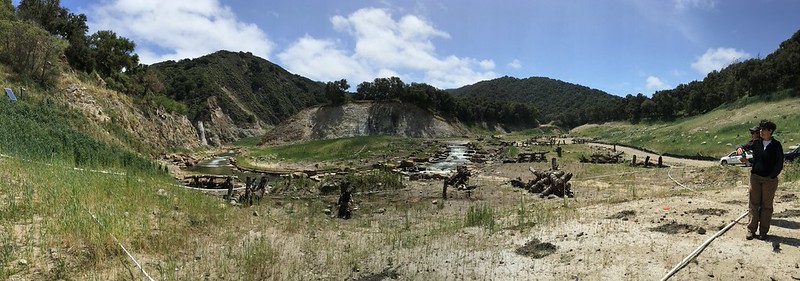
Salmon are boom-and-bust species that rely on times with favorable conditions to produce high enough numbers to keep their populations going through bad years. On top of the recent wet years, many projects are underway to help salmon take advantage of good conditions and produce large cohorts. Many habitat restoration efforts were made to improve salmon habitat, like adding large woody debris to rivers or removing barriers to salmon passage. Notably, the Klamath Dam removal has allowed salmon to move upriver to areas that they have been absent from for more than a century. Fall Creek, a newly accessible Klamath tributary, counted approximately 65,000 juvenile Chinook salmon. Other projects, like the Big Notch Project, seek to increase connectivity between main salmon waterways and off-channel habitats.
While salmon numbers are looking up, that does not guarantee they are here to stay. Many factors, including weather, fishery closures, and restoration efforts, aligned and resulted in the high numbers of these returns. Salmon management often aims to take advantage of good years and high numbers so that bolstered populations can ride out seasons with less favorable conditions. Projects supporting salmon ecology, like those that prioritize factors such as floodplain connectivity, cold water, and clean gravel, can further strengthen populations. On top of projects that improve salmon habitat, long-term salmon monitoring efforts are key aspects of salmon management and recovery. As environmental conditions continue to shift, the survival of salmon will depend on continued restoration, research, and adaptive management.
This post was featured in our weekly e-newsletter, the Fish Report. You can subscribe to the Fish Report here.
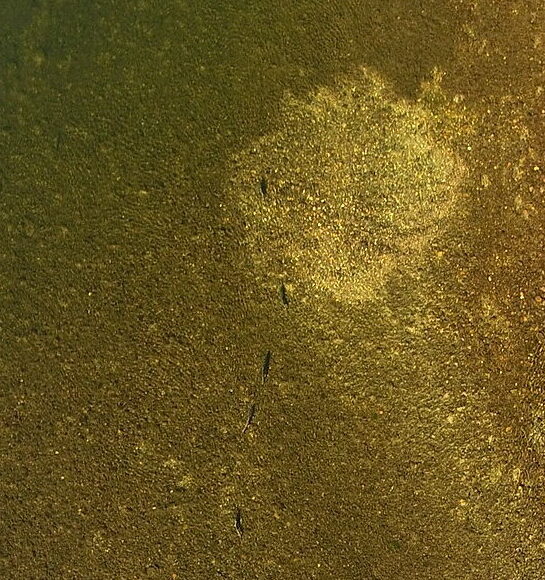
Header Image Caption: Multiple factors have led to high numbers of salmon returning to spawn.