

Friday September 25, 2026
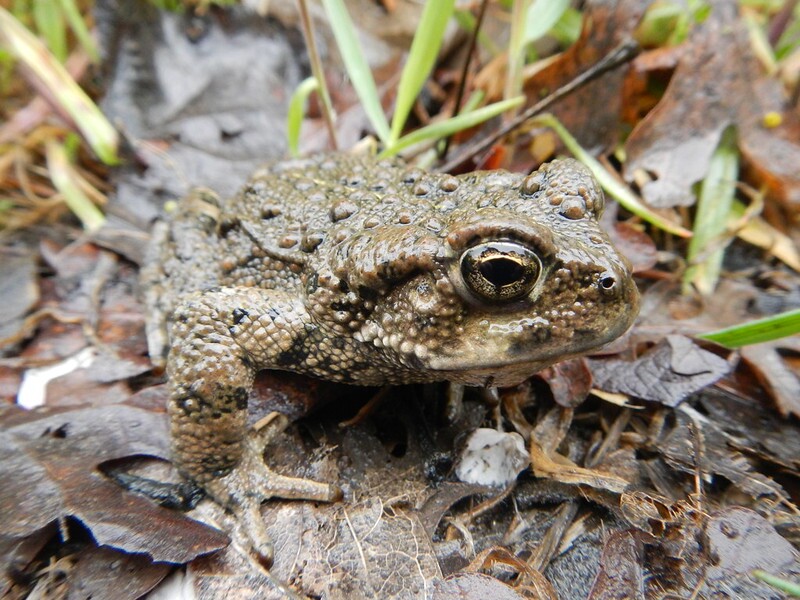
Common names: Western Spadefoot Toad
Scientific name: Spea hammondii
Native range: Baja to Northern California
Status: Proposed Threatened
Habitat: Freshwater habitats
The western spadefoot toad (Spea hammondii) is a small, burrowing amphibian native to California and northern Baja California. It measures 1.5 to 2.5 inches in length and has smooth, grayish or brown skin with speckled markings. A distinctive, wedge-shaped spade on each hind foot helps it dig into sandy or loose soil. This species is highly adapted to arid and semi-arid environments, spending most of the year underground in estivation to avoid desiccation. It emerges only during heavy rains, breeding explosively in temporary pools. Eggs hatch within days, and tadpoles undergo rapid development, sometimes completing metamorphosis in as little as two weeks to survive before the pools dry out. Western spadefoot toads are nocturnal and primarily insectivorous, feeding on beetles, ants, and other small invertebrates. When threatened, they can secrete a noxious skin toxin that deters predators. For humans this toxin can have negative effects such as skin irritation, eye irritation, and even a runny nose. Numerous threats to population status have landed the species in the Federal Register as proposed threatened under the Endangered Species Act.
Fun fact: It has been reported that the neurotoxin they secrete actually smells like peanut butter!