

Monday August 31, 2026
The idea of toxicity often evokes images of hazardous waste barrels stamped with skull-and-crossbones warnings. However, organisms that possess their own dangerous compounds are not always so clearly marked, including toxic fish. Under the umbrella term “toxin” are two categories: poison and venom. While often used interchangeably, these two terms are different. A venom expert at the British Natural History Museum once said, “If you bite it and you die it’s poison, but if it bites you and you die, that’s venom,” to distinguish between the different classifications. Venoms are injected through spines, barbs, or bites, while poisons are harmful when they are ingested, inhaled, or absorbed. There are both venomous and poisonous fish, which means that some fish are dangerous to touch while others are dangerous to eat.
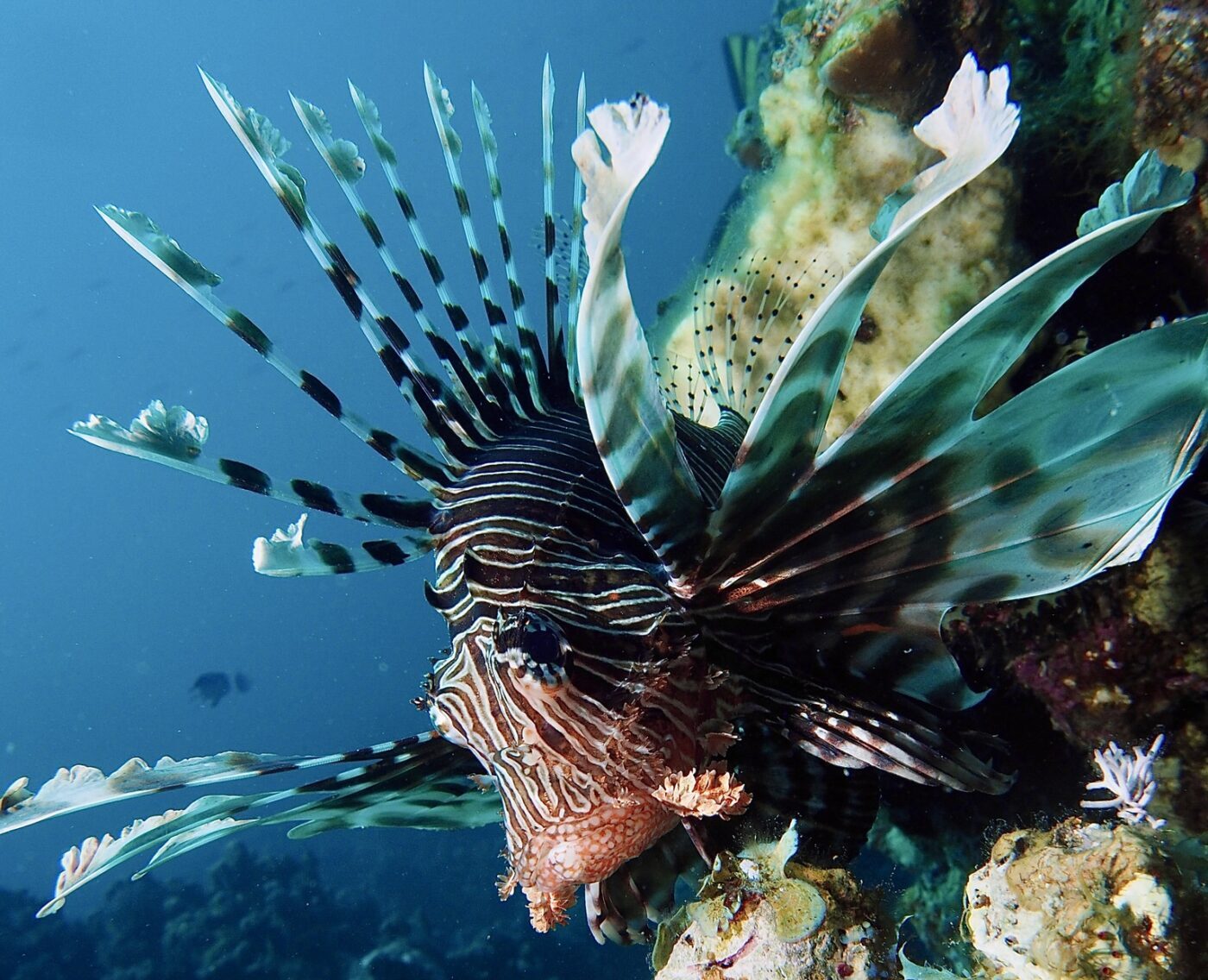
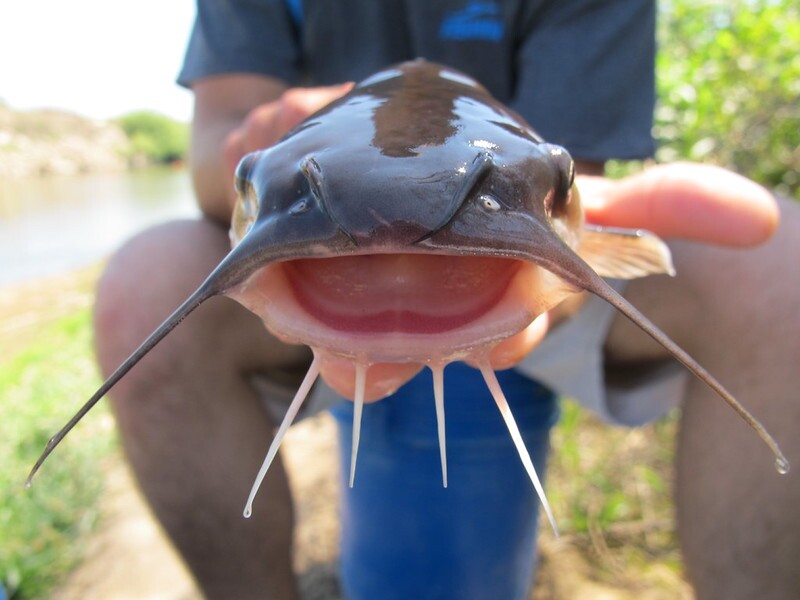
Venom occurs across the animal kingdom with an estimated 220,000 species considered venomous. Based on recent phylogenetic evidence in the last decade, nearly 3,000 fish species are believed to be venomous. This new estimate—compared with prior estimates closer to 1,200—makes fish (not snakes!) the largest group of venomous vertebrates. Catfish make up a large number of venomous fish species, with some estimates suggesting that at least 1,250 species in this group should be considered venomous but have yet to be officially described as such. Perhaps the most famous venomous fish are stonefish and lionfish which, like catfish, inject venom via spines. Fang blennies go against the fishy norm and inject venom through their bite. Their lower canines have the power to inject would-be-predators with a venom that contains opioid hormones, effectively stunning predators by intoxicating them.
Poisonous fish are harder to define than venomous fish because of the very nature of poison. Processes like bioaccumulation can result in a fish itself being thought of as poisonous. Ciguatera fish poisoning is the most common form of fish-related food poisoning. This form of poisoning occurs as the result of eating species like moray eel, trigger fish, amberjack, and others. However, ciguatera fish poisoning is not a reaction to a toxin produced by the fish themselves. It occurs because a fish has eaten microalgae containing ciguatoxins that have built up and reached dangerously high levels in the fish’s flesh. Similarly, many pufferfish contain tetrodotoxin, which makes them poisonous for humans to eat. This potent neurotoxin is produced by bacteria that the pufferfish eat, but they remain unaffected because of a genetic mutation. Trunkfish, the armored relatives of pufferfish, secrete pahutoxin from glands on their skin when they are touched. Some eels also produce their own poison and have proteinaceous toxins that must be cooked at a high temperature to be destroyed before consumption.
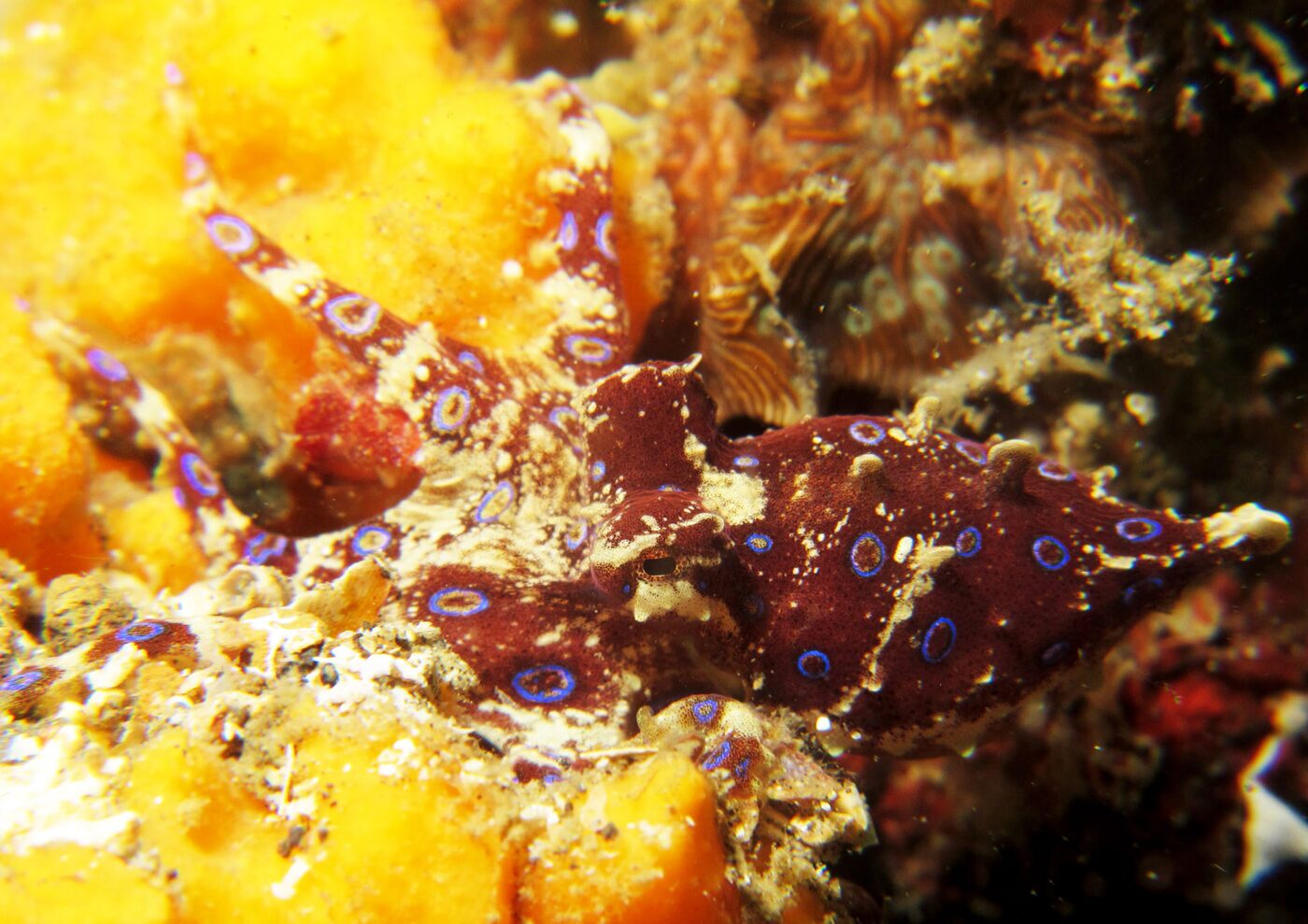
While not fish, blue-ringed octopi are both poisonous and venomous. There are at least four species of blue-ringed octopi that fall into the genus Hapalochlaena. All species in this group contain tetrodotoxin, the same major toxin found in pufferfish, that they get from bacteria living on their body. Because of this toxin, they are poisonous to other animals that eat them, including the accidental human! However, some of the bacteria that produce tetrodotoxin in blue-ringed octopi can also be found in their salivary glands which can inject the toxin via a bite, making these species also venomous.
Across fish and aquatic animals, there are many venomous and poisonous species. While often used synonymously, these different terms carry information about different toxins, how they work, and how they cause harm. As scientists learn more, the known diversity of venomous and poisonous aquatic animals will likely continue to grow. Understanding the difference between poison and venom helps clarify not only how these toxins work, but also why these creatures deserve both caution and respect.
Header Image Caption: Lionfish are a highly invasive species with venomous spines.
This post was featured in our weekly e-newsletter, the Fish Report. You can subscribe to the Fish Report here.