

Monday September 7, 2026
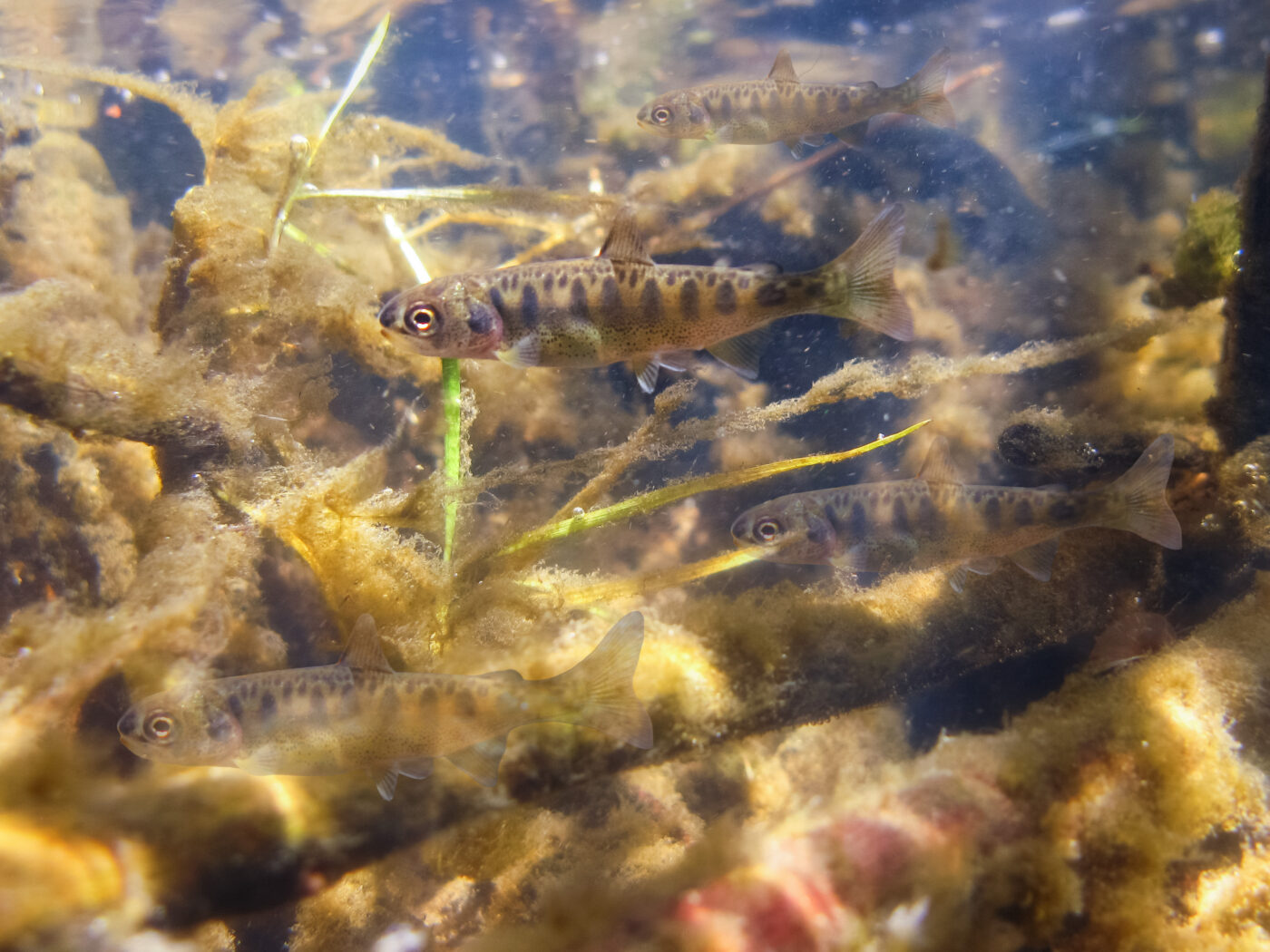
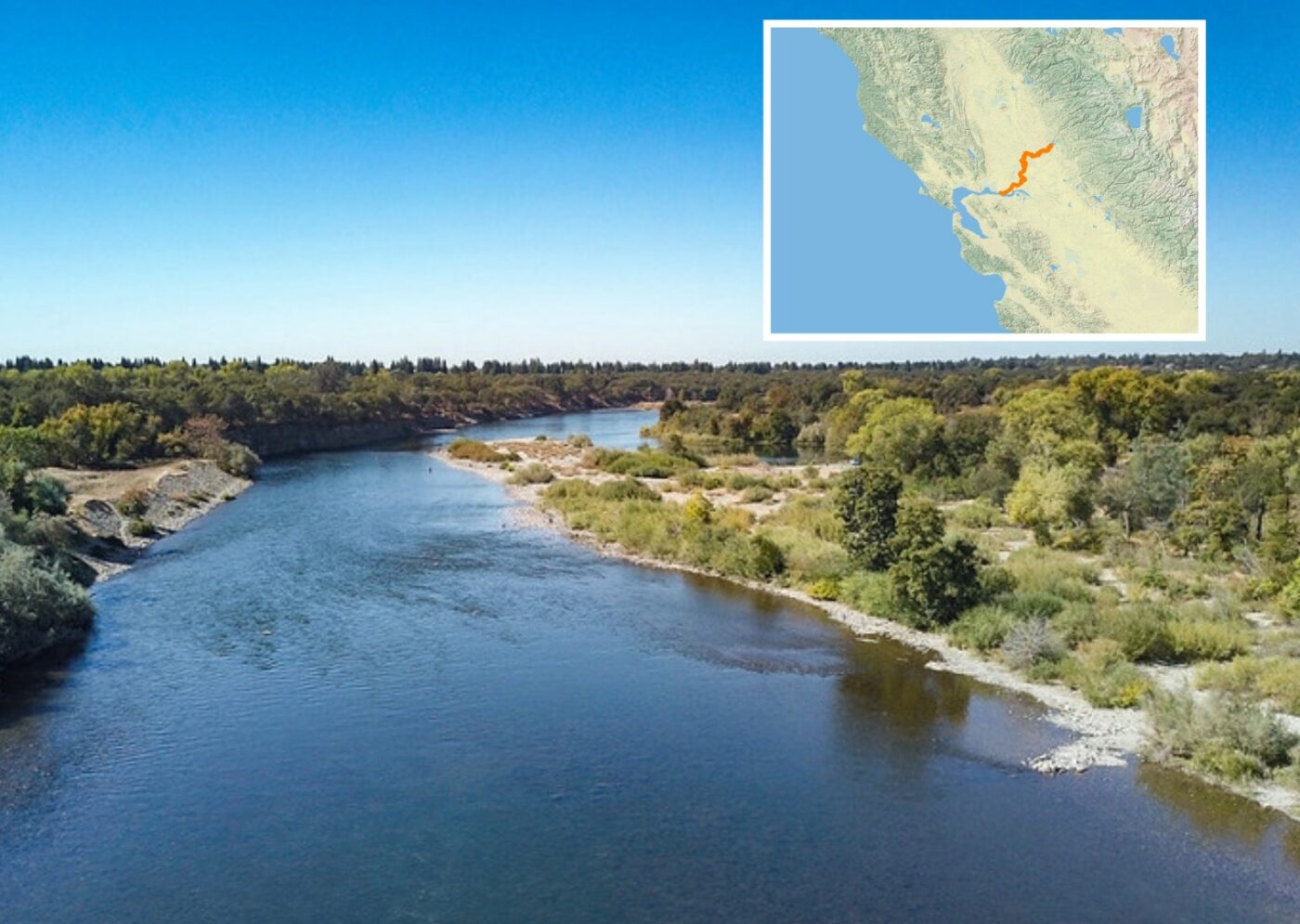
Variety is the spice of life for juvenile Chinook salmon, whose range of life-history strategies as they grow and migrate has helped them survive despite changing conditions. In California, most juvenile Chinook journey from their birth streams through the Sacramento-San Joaquin River Delta (Delta) and the San Francisco Bay (Bay) before reaching the ocean, where they mature before returning to spawn. Much of the research tracking this migration focuses on the survivors of this journey, which can introduce survivor bias. When results are based only on the fish that survive to adulthood, while ignoring juveniles that die during migration, this may make high-mortality life-history strategies appear less important than they actually are. As scientists increasingly recognize the value of understanding where and why fish die, studies focused on mortalities are becoming more common. A recent study looked at the juveniles that disappeared during their outmigration (“ghost salmon”) to explore what information can be gained by focusing on the fish that do not survive.
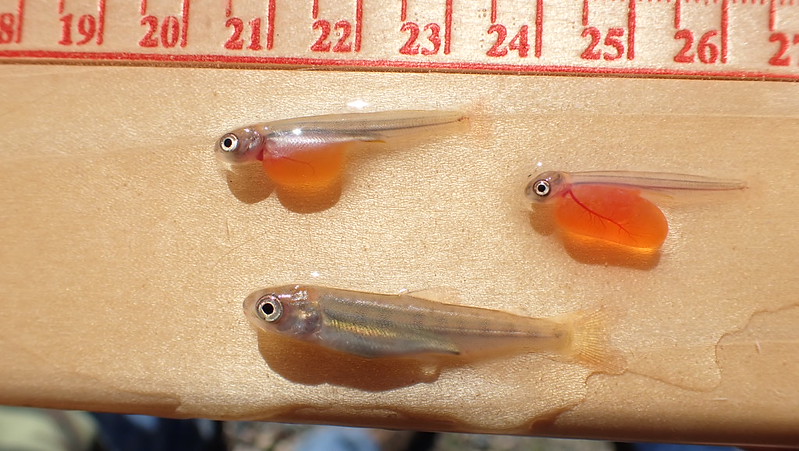
In this study, scientists were particularly interested in comparing early versus late migration strategies. Early migration is a common strategy where juveniles leave their natal streams soon after they emerge as fry. While this strategy can be associated with higher mortality rates, early migrants have historically comprised the majority of some spawning runs. Successful survival during early migration depends on environmental, habitat, and climatic conditions, with this strategy out performing others in some years. The historical success of early migrants suggests that changing conditions may be impacting which migration strategies succeed.
To compare the success of migration strategies, scientists sampled the otoliths (ear bones) and eye lenses of juvenile and adult salmon. These structures provide details about where fish spent different portions of their lives, allowing researchers to retrace their migration route and determine their migration strategy. At every location sampled along the route, early migrants became rarer, indicating that they experienced higher mortality rates than late migrants. While early migrants accounted for 80% of juveniles entering the Delta, they declined throughout the migration, falling to 26% of fish reaching the ocean and 15% of returning adults. This decrease shows the potential for survivor bias—if researchers had only examined returning adults, they would have seen early migrants as a minority, even though this was the dominant strategy of juveniles entering the Delta.
Both early and late migrants were strongly impacted by the climate conditions they experienced, suggesting that the “best” migration strategy may depend on the circumstances juveniles encounter each year. Drought years from 2014 to 2015 were harsh, coinciding with almost no successful rearing in the Delta, strong mortality trends, and low rates of population growth. Interestingly, 2017 was the wettest year, but it was also associated with high mortality rates. This was likely because of two flood events (caused by atmospheric rivers) which forced fry downriver prematurely. Historically, diverse habitats in the Delta area would have buffered the adverse effects of intense flooding. However, the loss of habitats like wetlands and floodplains and the simplification of the Delta into straightened channels likely resulted in powerful water velocities forcing fry downstream where they likely experienced osmotic shock, poor habitat quality, and increased predation. This indicates that climate extremes and habitat change are connected. The same early-migration strategy that may have been successful when floodplains, wetlands, and tidal habitats were available becomes riskier when fish lack opportunities to grow, feed, and shelter.
Different migration strategies are valuable to salmon survival, as different strategies allow salmon to take advantage of different habitats. This is critical in the face of climate extremes, where conditions fluctuate markedly between years. Currently, early-migranting juveniles face many challenges and consequently have higher mortality rates. However, given that these early migrants historically made-up large proportions of spawners, maintaining this migration strategy should be prioritized by supporting habitat diversity for multiple strategies to succeed across dry years, wet years, and extreme events. This could include actions like floodplain and tidal wetland restoration, winter and early spring flow management, and diversified hatchery release strategies. In a future of climate extremes, salmon survival may depend on diversifying management actions to maintain multiple migration strategies and restoring the habitats that allow those strategies to persist.
Header Image Caption: Many juvenile salmon that begin their journey through the Delta never reach adulthood, becoming what researchers call “ghost salmon.”