

Monday September 15, 2025
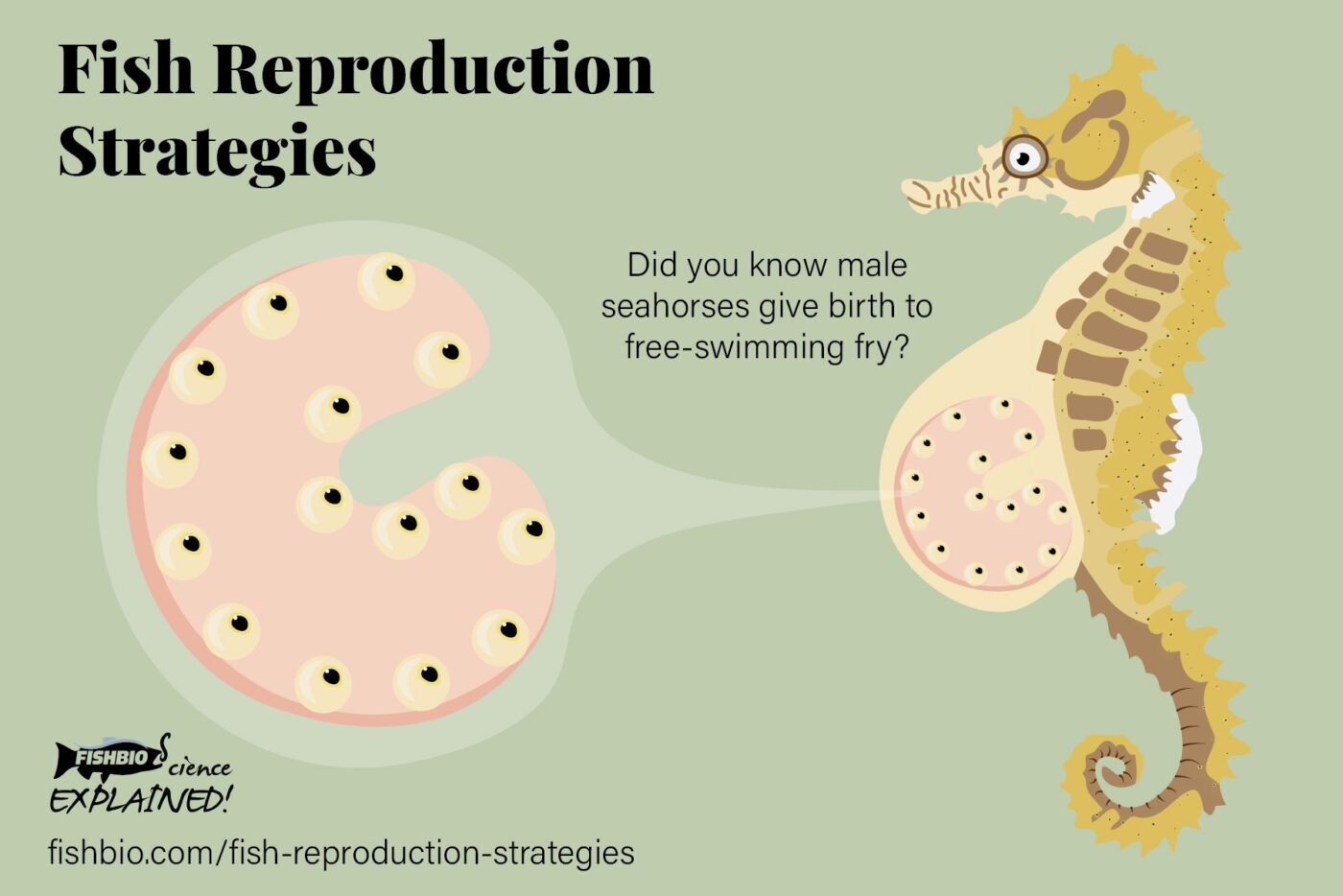
Fish are the most diverse group of vertebrate animals on the planet, and that diversity extends beyond their appearance, including reproductive approaches. In a fish-eat-fish world, reproductive diversity and ingenuity is important to guarantee successful reproduction and offspring survival.
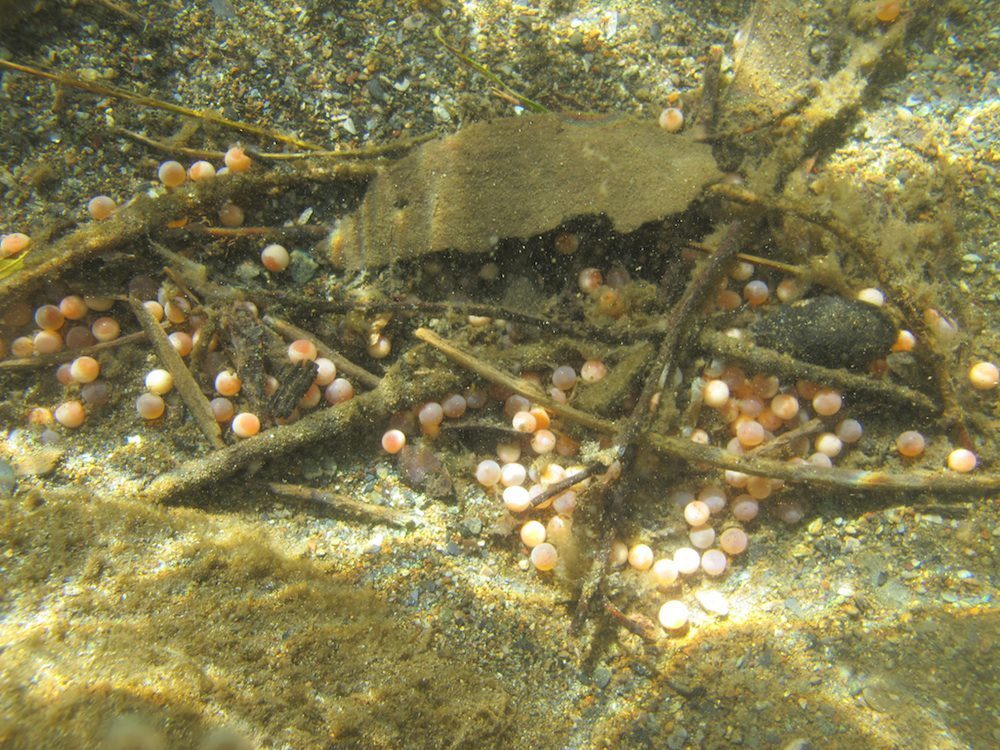
From Asia to Scandinavia and Alaska to the Andes, fish eggs have been a prized staple of the diets of many cultures around the globe. While most fish are egg laying (oviparous), live-bearing (ovoviviparous and viviparous) fishes developed alternative strategies to increase offspring survival, namely the development of embryos inside their bodies. Viviparous fishes, like many shark species, develop embryos internally and, like mammals, receive nutrients from their parent while they grow. On the other hand, ovoviviparous fishes, like guppies and mosquitofish, develop embryos internally, but the embryos only rely on nutrients from their yolk sacs to develop.
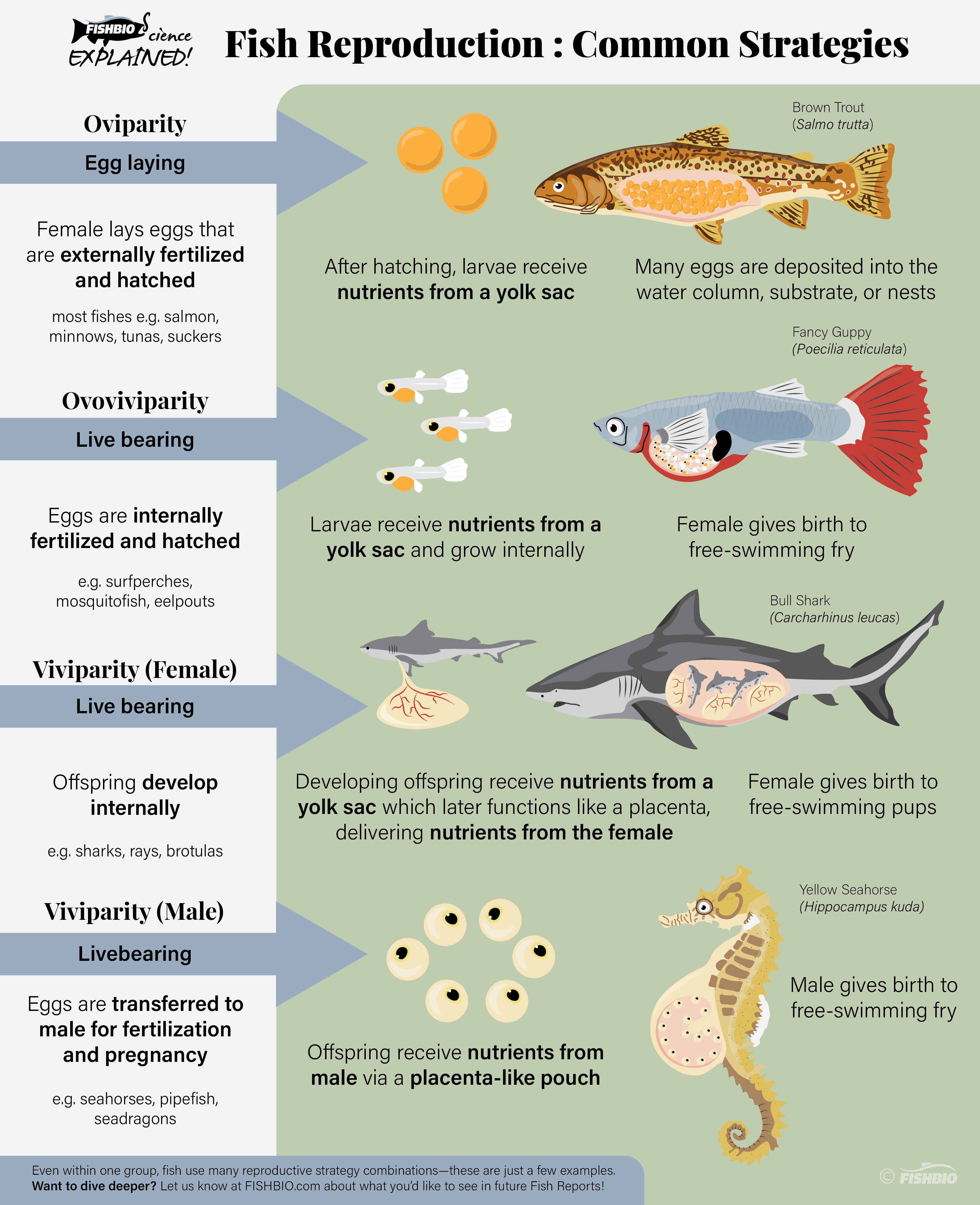
The diversity of reproductive approaches is thought to arise from balancing tradeoffs associated with each approach and a species’ life history. Typically, egg-laying fishes can produce more offspring in one reproductive event (up to millions) than live-bearing fishes because they do not need to invest energy into carrying and providing nutrients to the eggs after laying. Live-bearing fishes, contrastingly, must hold fertilized embryos for the duration of the gestation period, which can be up to three and a half years in frilled sharks – the longest known gestation period in any vertebrate. Live-bearing strategies are not restricted to females, though. In fact, males of species like seahorses, seadragons, and pipefishes carry and nurture their young until birth in brood pouches. Carrying embryos from gestation to birth provides protection from predators, putting quality over quantity.


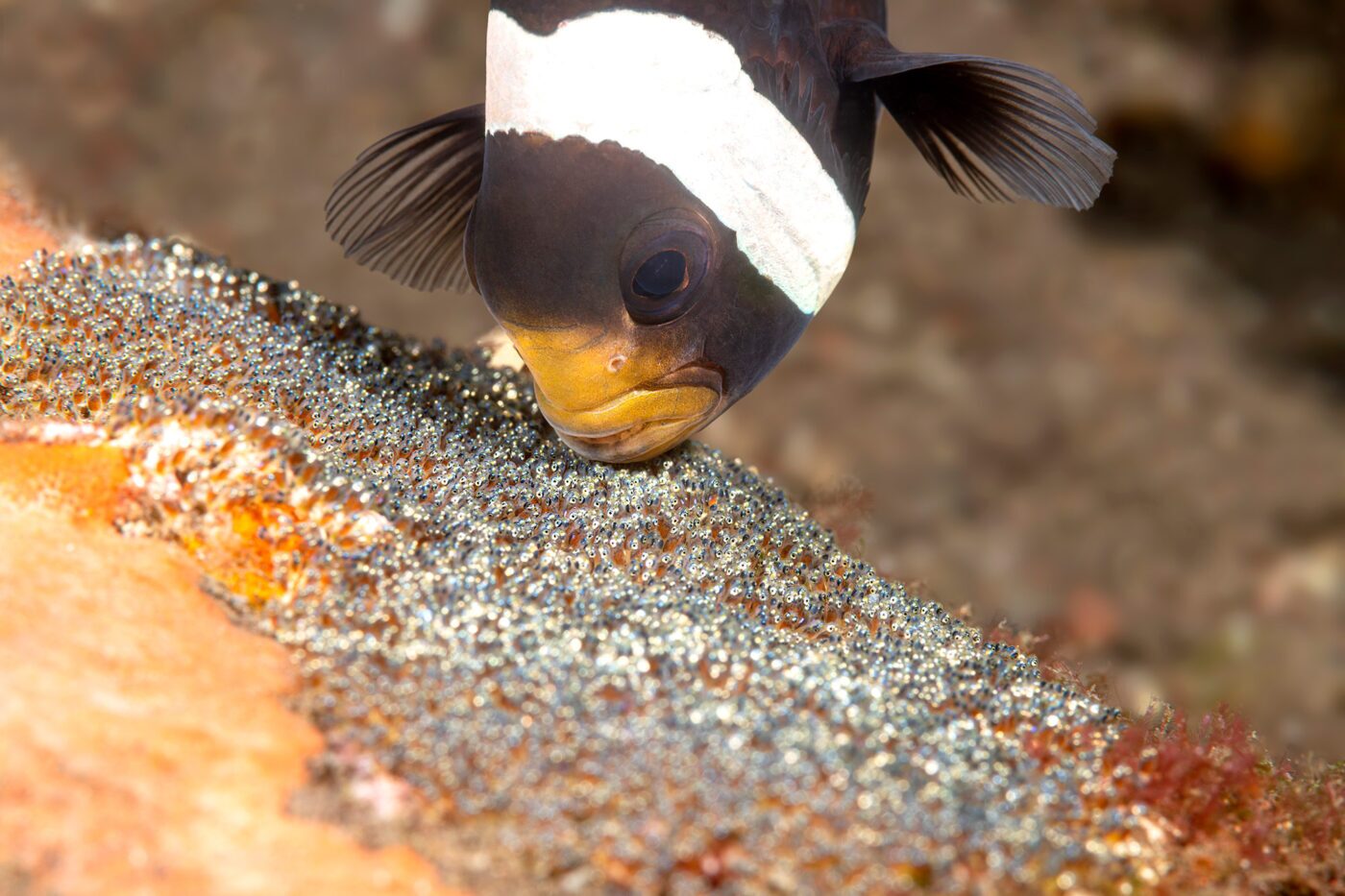
Birthing strategies are not the only strategies that fish evolved to improve reproductive success and offspring survival. While many fish have a defined sex that stays the same throughout their life, some fish exhibit hermaphroditism. In the fish world, there are three types of hermaphroditism: sequential, synchronous, and bi-directional. Sequential hermaphrodites are born one sex but change to the other sex later in life – this cannot be reversed. Sequential hermaphrodites include fishes like the California sheephead and clownfish which are born female and male, respectively, but can change sex if they become the largest fish in their population. Synchronous hermaphrodites are born with both male and female reproductive organs and include fishes like hamlets. Fishes with bi-directional hermaphroditism can change between sexes multiple times throughout their lives and include species of obligate coral-dwelling gobies. The evolution of hermaphroditism is thought to be a solution to limited mating opportunities or size and energetic advantages.
In some cases, fishes have surpassed two-parent reproductive systems to reproduce through cloning. Parthenogenesis is the process by which a fish can reproduce without genetic material from a mate, creating clones of themselves. This can occur in a variety of ways. A female may experience complications while reproducing with a male and a small number of eggs may go unfertilized but still develop into an embryo, inadvertently producing a clone through accidental gynogenesis, as seen in the smallthooth sawfish. Gynogenesis is where a species, like the northern redbelly x finescale dace, is entirely female and can only reproduce clones, requiring the sperm of another species to carry out reproduction, but the genetic material from the sperm is not incorporated into the embryo. Hybridogenesis occurs in certain hybrids, like Poeciliopsis monacha-lucida, where females create eggs that only contain the female’s maternal DNA and breed with a male of a different species, maintaining the same maternal DNA and gaining and discarding new male DNA generation to generation. Finally, male cloning is called androgenesis, but this has only been documented in one natural case in a Portuguese minnow – otherwise, it only occurs in laboratory settings from radiation for experimental purposes and to create “YY” males.
No matter what reproductive strategies a fish has evolved, there is always a delicate balance between energy cost to the parent and fitness benefits to the offspring. From dynamic birthing strategies to changing sex to cloning themselves, fish have spent the last hundreds of millions of years evolving a variety of reproductive approaches to cope with a changing world. Nature never ceases to amaze in the myriad of beautiful adaptations it has developed as it continues to survive and thrive on this blue planet.
This Fish Report is part of the ongoing Fish Physiology Series, where we highlight some of the important physiological characteristics that enable fish to survive, persist, and thrive in aquatic environments on an ever-changing planet. Subscribe to the Fish Report and follow these posts to learn more about fish physiology!