

Monday April 20, 2026
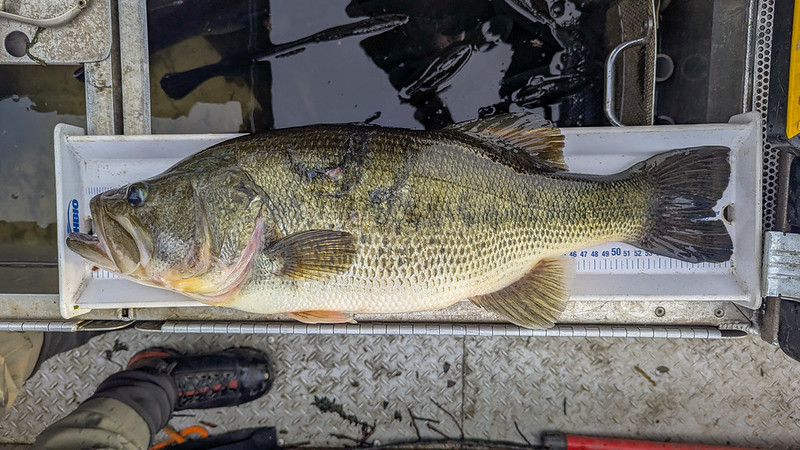
From fishhooks to lamprey bites, a fish’s life is full of narrow escapes, sometimes leaving them with a missing fin or other wound. Lucky for them, fish are known for their fast-acting and exceptional healing mechanisms, which allow them to quickly repair damaged tissue and, in some cases, regenerate lost structures. These healing abilities are an important focus in scientific research, revealing processes that influence medical advancements for humans, from spinal cord repair to skin grafts.
The foundation of fish healing is their ability to seal and repair wounds in an extremely efficient manner. The smaller the wound, the faster it heals. In the case of superficial injuries, groups of specialized skin cells called keratinocytes will move to the damaged area and reform the epithelial skin layer. These cells close the wound from both sides, ensuring the quickest possible recovery, sometimes happening in as fast as 15 to 20 minutes! Once the epithelial layer is in place, scales will then regenerate above it. In the case of deeper wounds, healing will take longer because the body needs to repair multiple layers. After initially bleeding, re-epithelialization will take place, similar to the response to a superficial injury. Immune cells then migrate to the wound and attack any pathogens that may have entered the fish’s body. Next, new tissue forms, supported by fibroblasts (collagen producing skin cells) and newly developed blood vessels. Collagen will act as a scaffold, helping tissues rebuild. Eventually, the fish generates new connective tissue and scales to cover the injury site. These same healing properties have led to the use of fish skin grafts in human medicine, promoting recovery from burns and other injuries.

Healing by sealing a wound falls into the category of repair, but fish go even further than that! Research has recorded fish regenerating lost or amputated bodily structures, including their fins, skin, spinal cord, and even brain. In the case of regenerating limbs, the process looks similar to healing smaller cuts and injuries. Epithelial cells first seal the wound, before additional skin cells migrate to the area and form a blastema (a cell mass). The cells of the blastema have positional memory, meaning they know what limb they are replacing, and will differentiate into tissues needed to regrow the limb, including bone, muscle, and skin cells.
Blastema can even function inside the body, regrowing internal organs. Scientists often use zebra fish in spinal cord studies because of their ability to regenerate and repair damaged spinal cords. A key part of this process is the formation of a tissue bridge across the injured area and the rapid generation of new neurons. The production of growth factors—molecules that instruct cells to divide, move, and differentiate—support this process. Zebra fish can even regenerate portions of their brains. This involves the activation of neural stem cells which divide, migrate to the injured region, and differentiate into new neurons.

This does not mean that all fish heal equally, as many other factors play a role in fish injury repair and regeneration. Environmental variables like water temperature, quality, and pH can affect the rate and extent of healing. Biological factors like species, age, and stress levels can also play important roles. Some structure losses are used by biologists because they heal rapidly but do not grow back, like adipose and maxillary fin clips. Understanding fish recovery and regeneration, and what affects the process, has wide-reaching implications. In cases where increasing fish numbers is the goal, like aquaculture and conservation efforts, aiming to provide environments that enhance repair and regeneration will lead to increased fish survival. Fish with the ability to repair and regenerate are also valuable in biomedical field advancements, helping researchers understand how they can translate these processes to human tissue and organ repair.
At times, fish may appear to be simple creatures when compared to humans, but that is not the case when considering their ability to heal injuries and regenerate structures. From sealing wounds to regenerating limbs and spinal cords, fish do it all, and they do it fast. While humans can’t regrow lost limbs like fish, we can still learn a thing or two from them. As fisheries scientists and biomedical researchers study these impressive processes in fish, they can relate this knowledge to mammals and better inform our own healing practices.
This post was featured in our weekly e-newsletter, the Fish Report. You can subscribe to the Fish Report here.
Header Image Caption: Fish are known for their fast-acting and exceptional healing mechanisms, like their ability to regrow scales and repair damaged tissue.