

Monday February 2, 2026
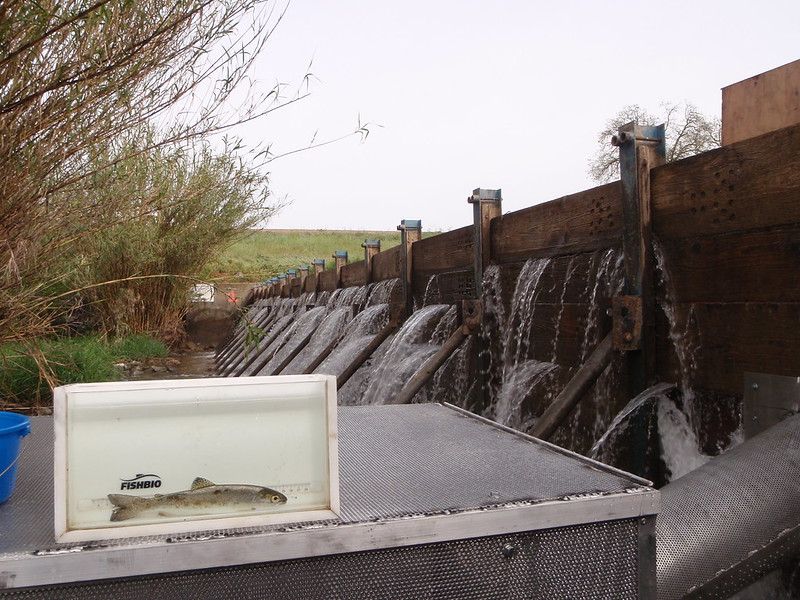
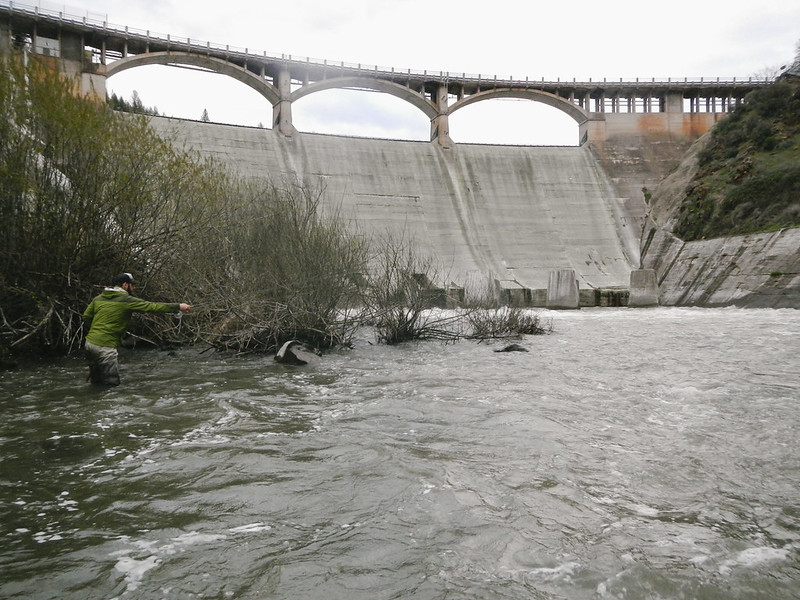
Over a century ago, the rivers of California looked very different than today. Because of changes like dams, urban expansion, and stocking, the fish that swim through today’s rivers are genetically different from those of the past. Fortunately, some of those historic fish that swam through our rivers are preserved and still exist today in museum collections around the world. Thanks to museum specimens and modern advances in genomics, scientists can now extract and analyze DNA from century-old specimens. This creates the opportunity to directly compare the genetics of past and present fish populations.
Steelhead and rainbow trout are two ecotypes of the same species (Oncorhynchus mykiss) with different life histories. Steelhead spawn in freshwater and migrate to the ocean (anadromy), while rainbow trout stay in freshwater their whole lifespan. These distinct life histories are driven by genetic differences. Anadromy is linked to a genetic marker that some trout have and others lack. In areas above physical migration barriers, trout with genetic markers for anadromy disappear over time. As a result, above-barrier populations mostly contain non-migratory, resident rainbow trout. However, less is known about below-barrier populations and how they may have changed overtime.
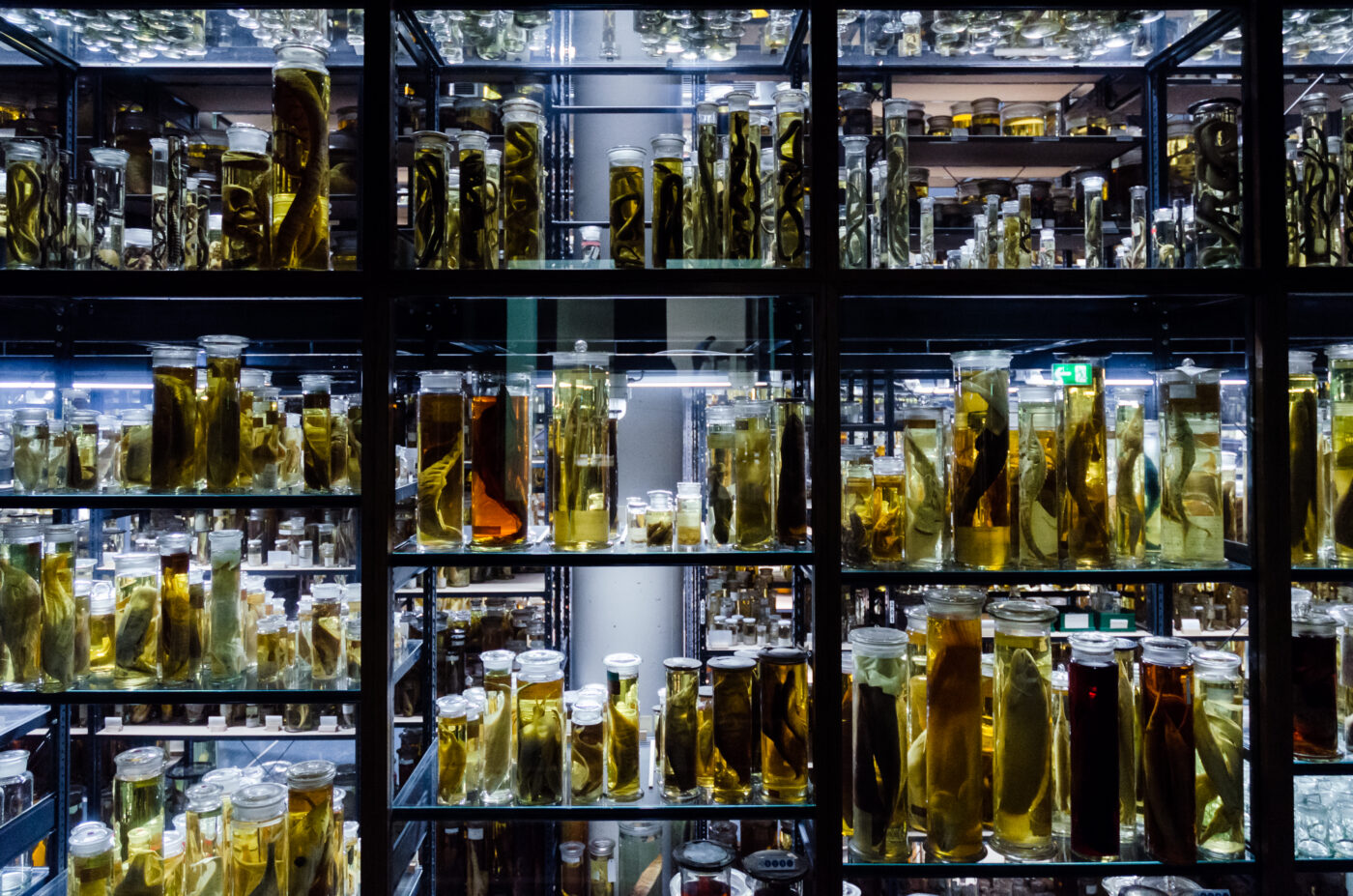
In a recent publication, researchers turned to preserved fish specimens in museum collections to learn more about the genetics of historic fish populations. The researchers used advanced genomic technology to analyze the DNA of 75 historical steelhead specimens from five California rivers, housed at the Smithsonian. The genetics of these samples were compared to modern fish collected from the same rivers to make direct ties between historic and modern populations. This allowed the researchers to investigate several key trends, including the ancestry of modern steelhead compared to historical fish, whether hatchery trout have significantly altered wild populations, and changes in genetic diversity and makeup over time.
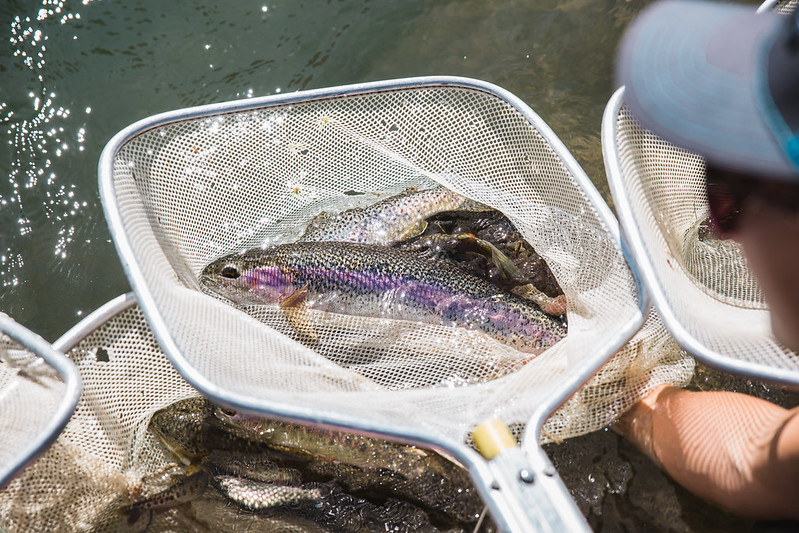
The results showed that modern steelhead are genetically more similar to historical steelhead than they are to hatchery strains or closely-related species like cutthroat trout. Also, for both modern and historical steelhead, populations that are further apart geographically are more distinct genetically. This was partially because researchers found very little evidence that hatchery fish were breeding with wild individuals. Scientists attribute these low levels of hybridization to evolutionary selection. Many of the traits that make hatchery fish successful in hatchery environments do not contribute to their survival in the wild. In general, hatchery fish lack genetic variation, including variation that could help them survive in the wild. However, this does not mean that hatchery influence is completely absent. In historical samples from the San Lorenzo River, scientists found evidence of hybrids consistent with records of early hatchery operations in that system. Signs of cutthroat trout hybridization were detected in historical samples from the Eel River, an expected result because the two species overlap in that area and are known to interbreed.
One of the most striking findings was a change in the frequency of the genetic marker linked to anadromy. Over time, the migratory version of the gene became less common, even in below-barrier populations. This suggests that some steelhead are moving towards a more resident life history. This trend may be a response to habitat loss, reduced river flows, or partial barriers to their migration. It is also possible that some above-barrier trout have moved downstream and mixed with the below-barrier populations.
Legal protections do not always extend to above-barrier trout, since they are considered rainbow trout, not steelhead, even though they may carry the migratory gene and could contribute to downstream populations. By comparing modern steelhead with century-old museum specimens, researchers revealed that key genetic traits have declined over time, even in protected populations. These changes would have gone unnoticed without access to historical DNA. These findings suggest that future management could benefit from prioritizing habitat restoration efforts over stocking, and they underscore a major flaw in structuring management plans solely on present-day populations while neglecting information from the past. Museum collections are critical tools for conservation, helping us see what healthy, wild populations once looked like, and what they could return to in the future.
This post was featured in our weekly e-newsletter, the Fish Report. You can subscribe to the Fish Report here.
Header Image Caption: A century of altered waterways has resulted in trout that are genetically different from historical populations.