

Monday July 21, 2025
While humans discovered fire and developed clothing, central heating, and air conditioning to deal with the planet’s wide range of climates, fish evolved alternative approaches to cope with temperature extremes. Most fish are ectotherms (organisms with body temperatures that remain equal to the surrounding water) and poikilothermic (their body temperature can fluctuate widely with the environment). Since a fish’s internal temperature is mainly dictated by where they live, these animals developed unique behavioral and physiological approaches to live in bodies of water ranging from desert hot springs to the frigid Southern Ocean.
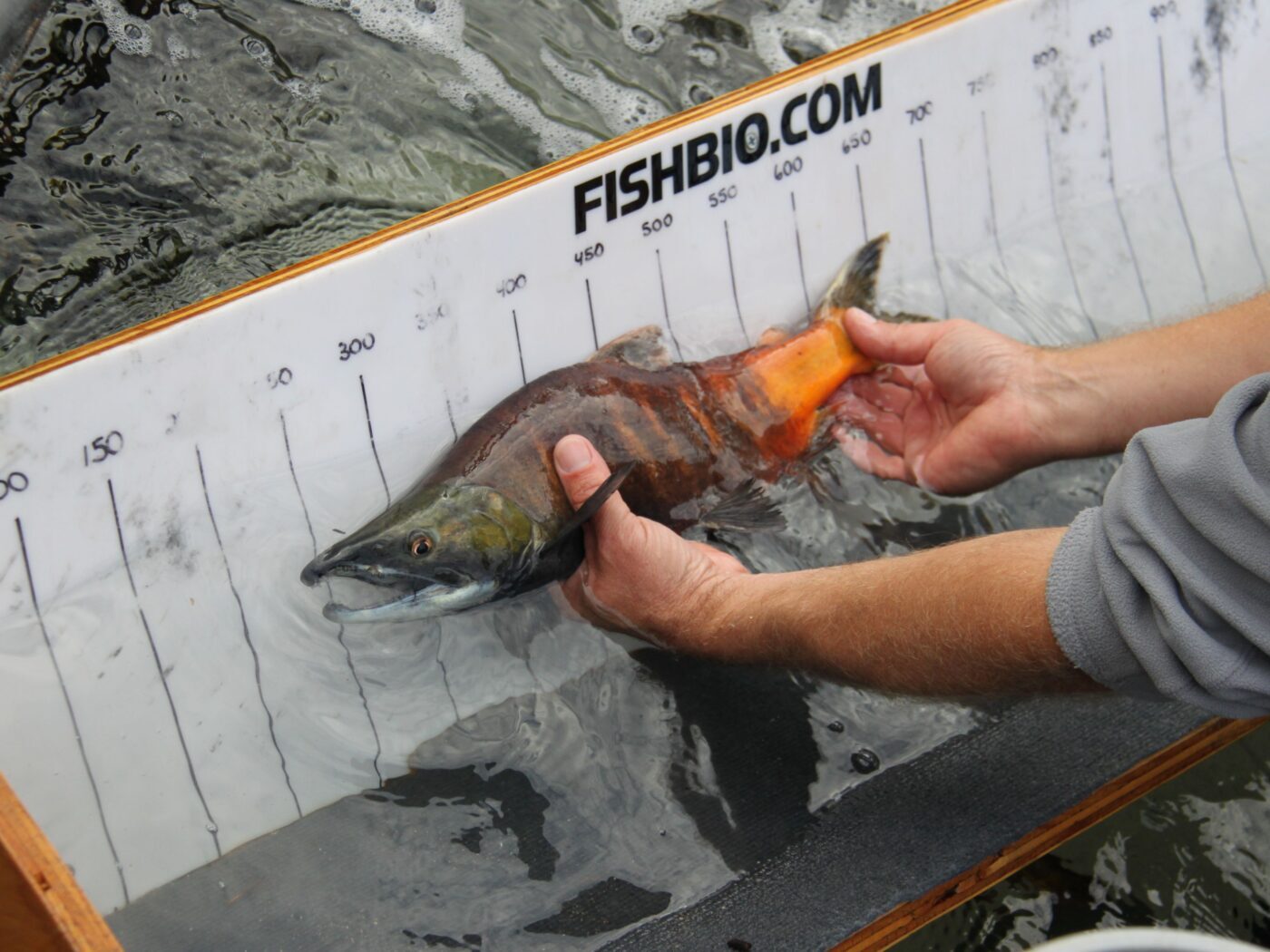
Water temperatures change throughout the day, with seasons, and throughout ecosystems depending on climatic and geologic factors. Many fish have temperature preferences that influence their movements throughout the day. The ocean sunfish (Mola mola) is one such fish, making several expeditions into deep waters to forage for food but returning to warmer surface waters to recover lost body heat. This approach allows the sunfish to maximize how much food they can consume in a day and minimize energy spent maintaining metabolic processes. On the other hand, sockeye salmon (Oncorhynchus nerka) seek out cooler regions of lakes during heat waves to reduce thermal stress and slow their metabolic rate.
When behavioral approaches cannot help fish find goldilocks temperatures, they turn to physiological regulation. A common immediate response to high temperatures is the production of heat shock proteins which help prevent damage to other proteins. Longer term resilience to high temperatures may come from turning genes on or off to produce enzymes that help regulate cellular processes in the face of temperature swings. Mummichog (Fundulus heteroclitus), a killifish species, carry specific temperature genes depending on where they live. In northern and southern latitudes, they carry cold and warm genes, respectively, and have a mix in intermediate latitudes.
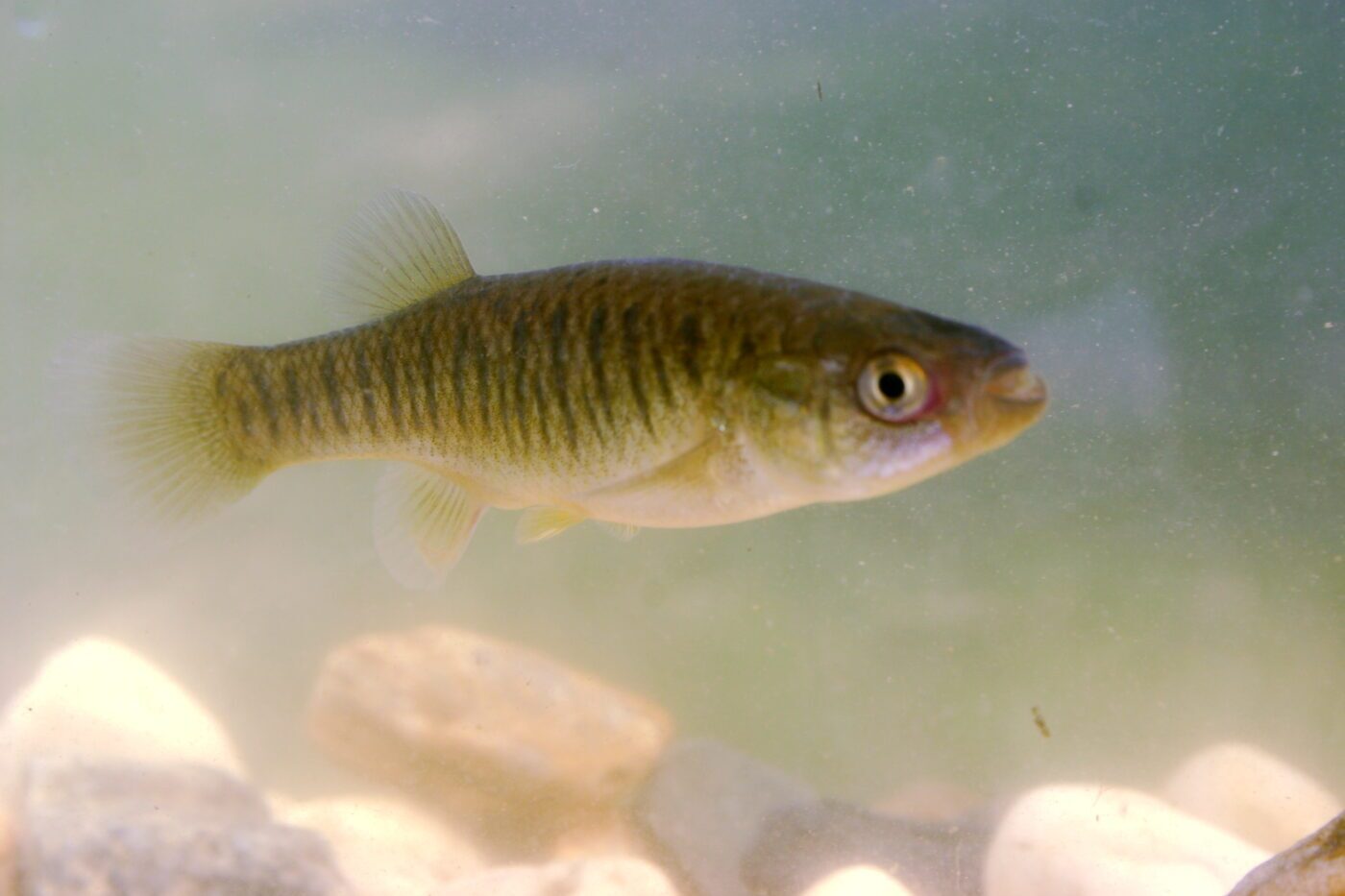
Fish living in global temperature extremes evolved extraordinary approaches to cope with temperatures that could denature important proteins or freeze their blood. Desert waters face wide temperature ranges. Fish in desert springs can be exposed to temperatures ranging from 40°F to 108°F. In people, anaerobic (without oxygen) metabolism is often associated with high-intensity exercise, leading to muscle soreness and exhaustion. Desert pupfish, however, can utilize anaerobic metabolism to deal with extremely high temperatures in hot springs, allowing them to respire despite low oxygen and challenging thermal conditions.
On the other end of the thermometer, fishes in Antarctic waters have unique characteristics that prevent their bodies from freezing in ice cold water. Salt water has a lower freezing point than freshwater meaning that fish in these waters risk literally freezing solid during much of the year. Antarctic fishes like sea ravens, wolffish, and icefish produce specialized proteins that, like antifreeze in our cars, lower the freezing point of blood and tissues below the freezing point of the saltwater around them.
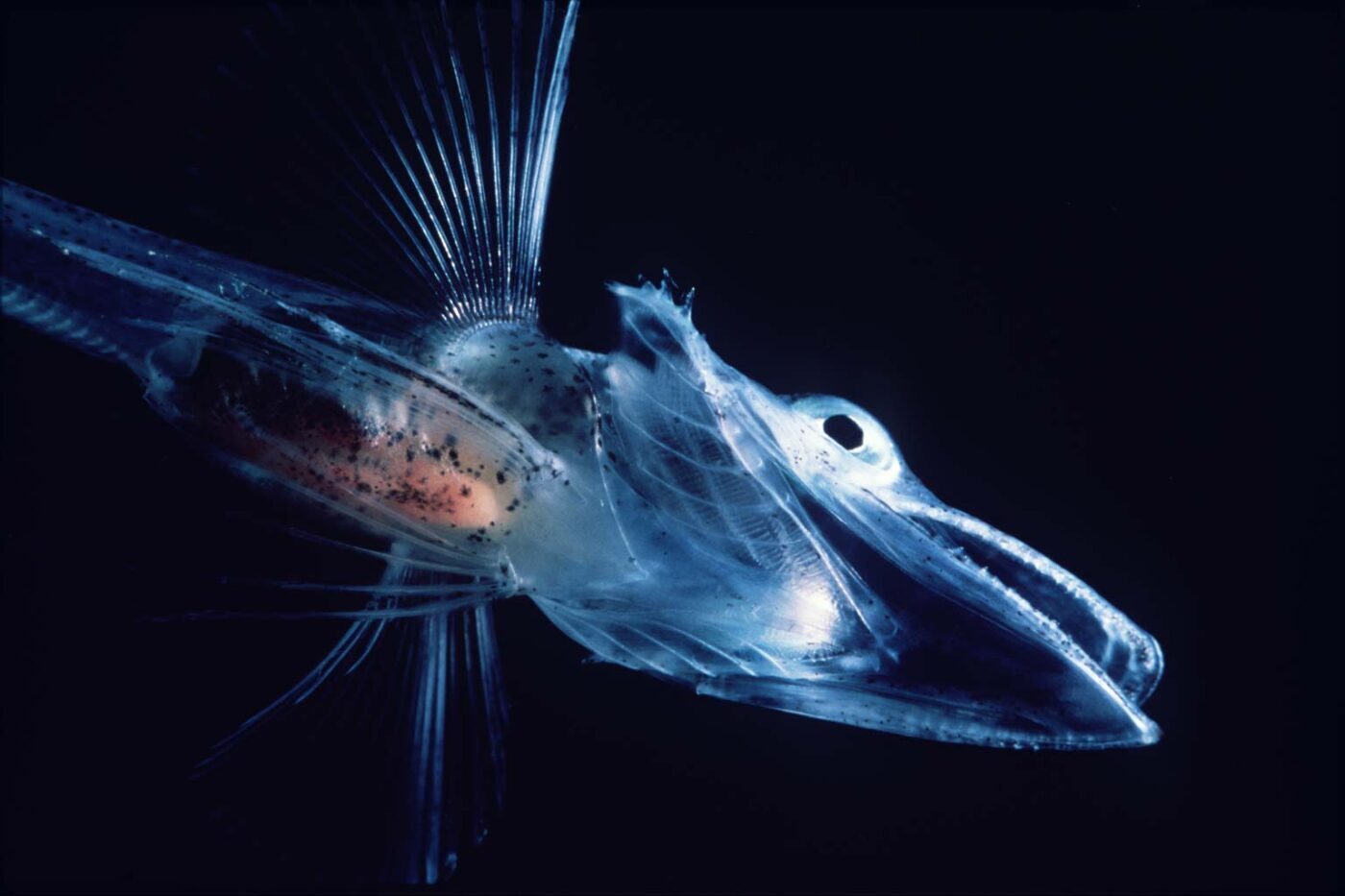
The blackfin icefish (Chaenocephalus aceratus), perhaps the most charismatic of these fishes, even developed a characteristic that no other vertebrate animal has – translucent blood! They no longer produce red blood cells or hemoglobin (main carriers of oxygen in the bloodstream), giving them thinner blood that flows easier at lower temperatures.
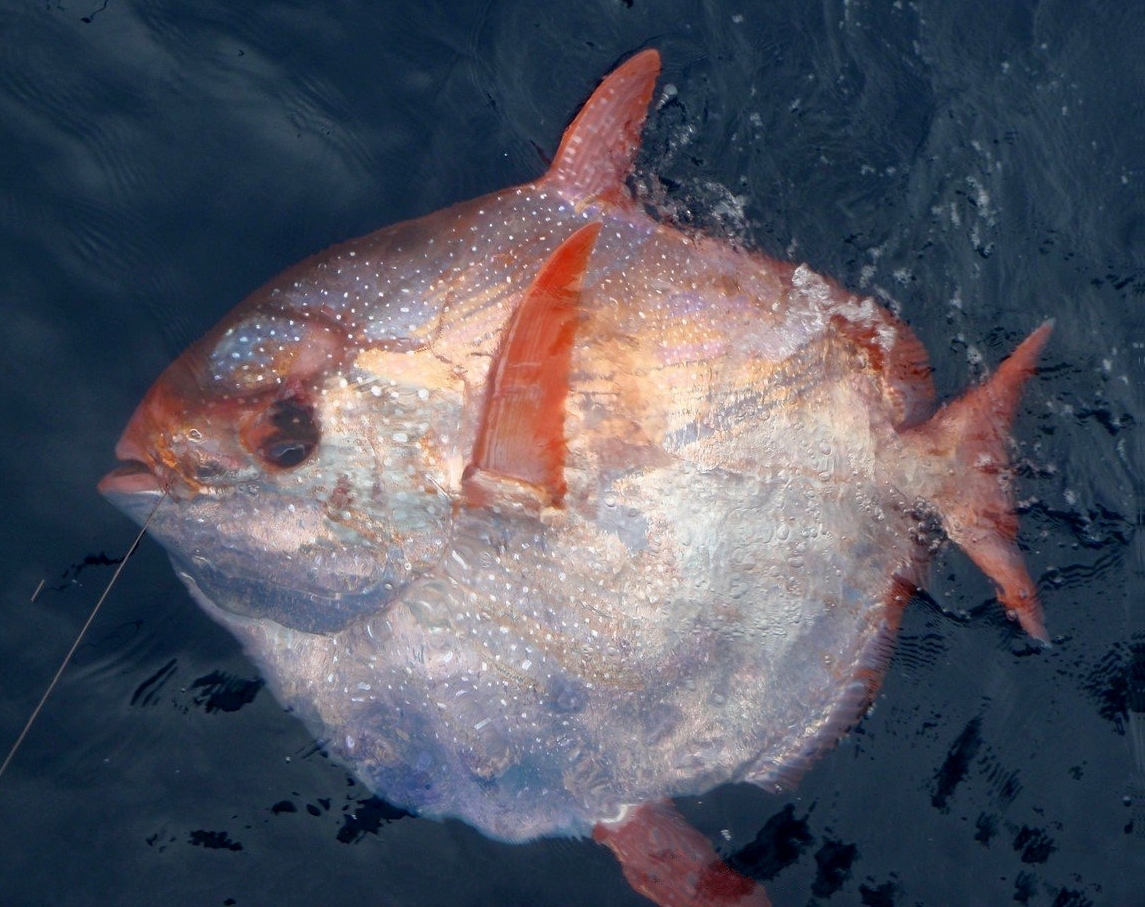
Though most fishes are ectothermic, a few can control and maintain internal body temperatures differing from their environment. The rete mirabile is a structure in ectothermic fishes made of a specialized network of blood vessels that carry heat from heat-generating muscles during swimming throughout the body. Some species of sharks and tunas use the rete mirabile for regional endothermy (heating specific parts of the body). The opah (Lampris guttatus) regulates its whole body temperature, rather than specific tissues, using a rete mirabile positioned at the gills, giving blood time to warm as it moves into the body.
Fish are beacons of resiliency, evolving innovative approaches to survive in the face of environmental extremes. Under changing climates, the planet is experiencing unprecedented temperatures with ocean temperatures reaching as high as 101°F. As climate change drives extremes beyond what these animals have ever experienced, fish are being pushed to the edge and may be reaching the peak of their adaptive potential. Thus, understanding physiological limitations of fishes in response to changing temperatures may help scientists anticipate which species may face risk of extinction due to changing climates.
Header Image Caption: Sockeye salmon regulate their internal temperature by seeking cooler regions of lakes during high-temperature events.
This Fish Report is part of the ongoing Fish Physiology Series, where we highlight some of the important physiological characteristics that enable fish to survive, persist, and thrive in aquatic environments on an ever-changing planet. Subscribe to the Fish Report and follow these posts to learn more about fish physiology!