

Monday November 17, 2025
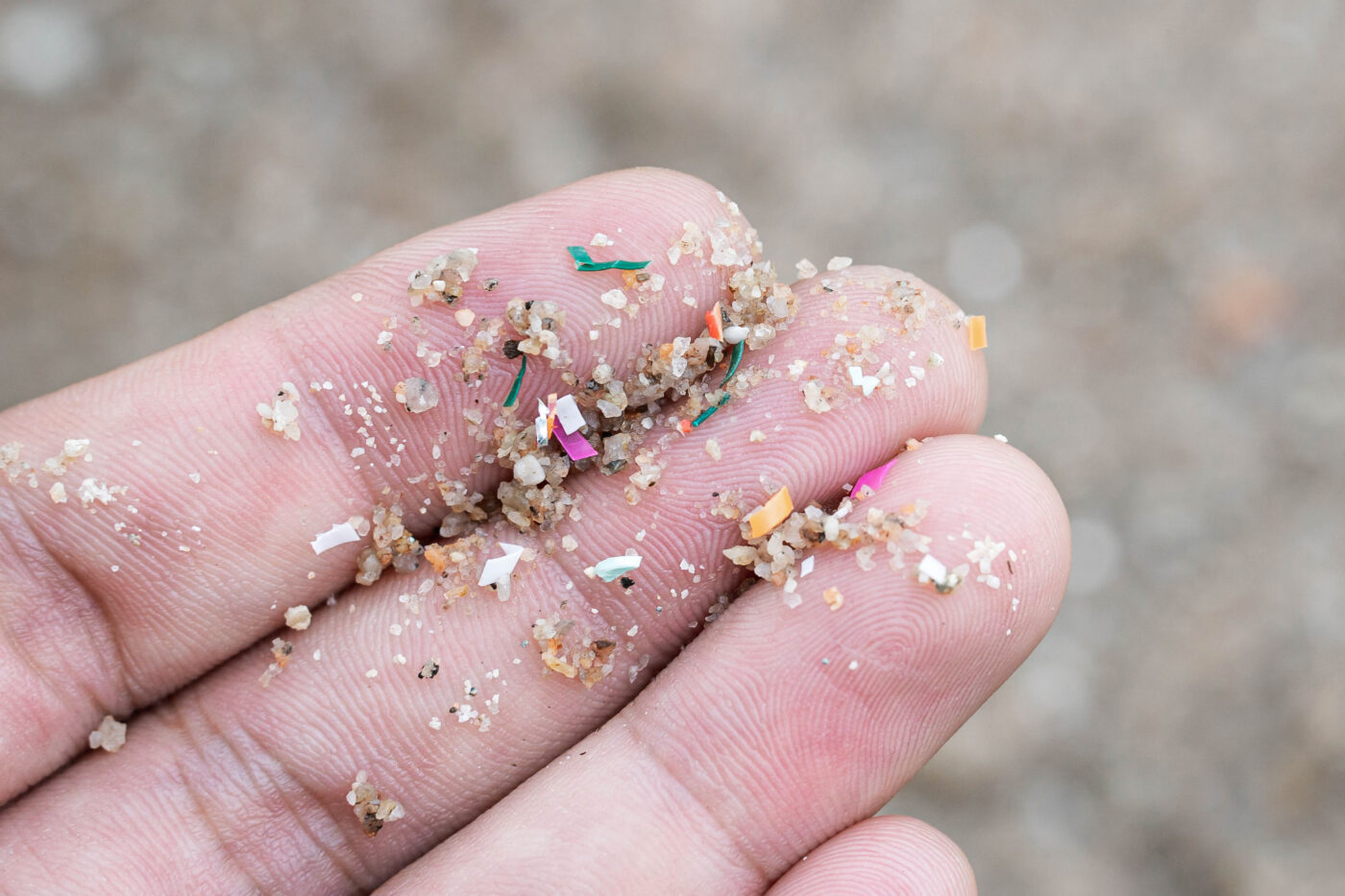
A piece of plastic’s life doesn’t end when it leaves our hands – it continues through rivers, lakes, and oceans, leaving behind a trail of pollution. These particles, known as microplastics, are fragments less than five millimeters long. They come from many sources, including microbeads from face washes, synthetic fibers from clothing, and larger items like bottles that break down into smaller pieces. Once discarded, these particles are carried by sewage and urban runoff systems to rivers and oceans. They can also travel through the air as atmospheric fallout or be introduced through human activities. Despite their small size, microplastics pose a large threat to aquatic ecosystems. They can release toxic chemicals as they degrade and clog digestive tracts of small fish and plankton, making it difficult for them to feed. Over time, particles accumulate in tissues of marine organisms, leading to broader ecological consequences, including lower fish populations and disrupted food chains. The problem does not stop in the ocean, either. As humans consume seafood, microplastics enter our own bodies, though the extent of their effect is not fully understood.
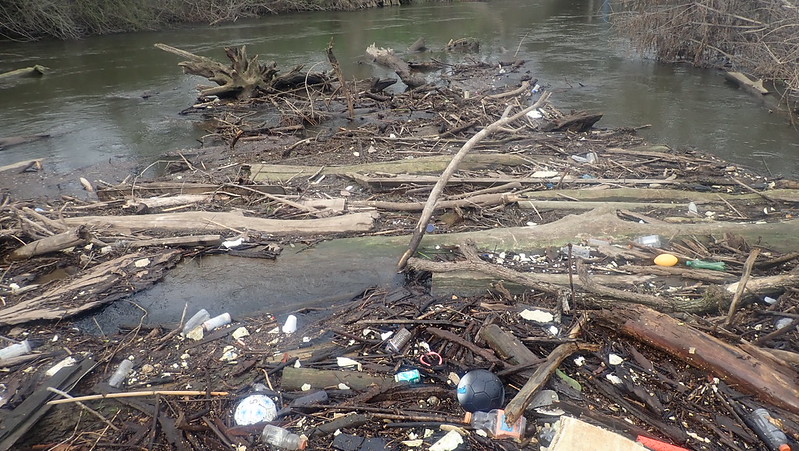
Understanding microplastic pollution in aquatic environments is crucial to assessing plastic contamination. Freshwater systems act as major pathways that transport plastics to coastal and marine ecosystems. Studying both environments helps scientists trace microplastic accumulation, identify pollution sources, and determine vulnerable ecosystems to prevent and clean up pollution at its source.
Water bodies near populated areas are especially affected. Common microplastics found in these regions include microbeads and fibers, many ending up in aquatic life. For example, all mussels from five sites in San Francisco Bay contained between 0.9 and 8.7 particles per organism. These pollutants can stunt growth, reduce fish populations, and leach toxic chemicals into tissues. Another study on San Francisco Bay found that 82% of water samples taken throughout the bay exceeded the minimum threshold to cause harm to aquatic organisms.
In the ocean, currents and diverse environments mix microplastics from various sources, resulting in water containing a wide variety of microplastics. Most microplastic pollution gathers along coasts and ocean currents but can also be found at the surface, beneath the waves, and in deep-sea sediments. Some habitats, like coral reefs, trap and collect microplastics over time. In San Francisco Bay, marine sediments – especially those near rivers – also accumulate microplastics, posing risks to bottom-dwelling organisms. Nurdles, which may sound like a candy or cartoon character, are small plastic pellets that are especially common along shorelines. In addition to plastics carried from rivers, the ocean has its own sources of pollution, including old fishing gear, cargo packaging, and boats. Effects from this pollution are visible across the food chain – a study of 240 seafood species from Ecuadorian markets found microplastics in 69% of them, all destined for human consumption.
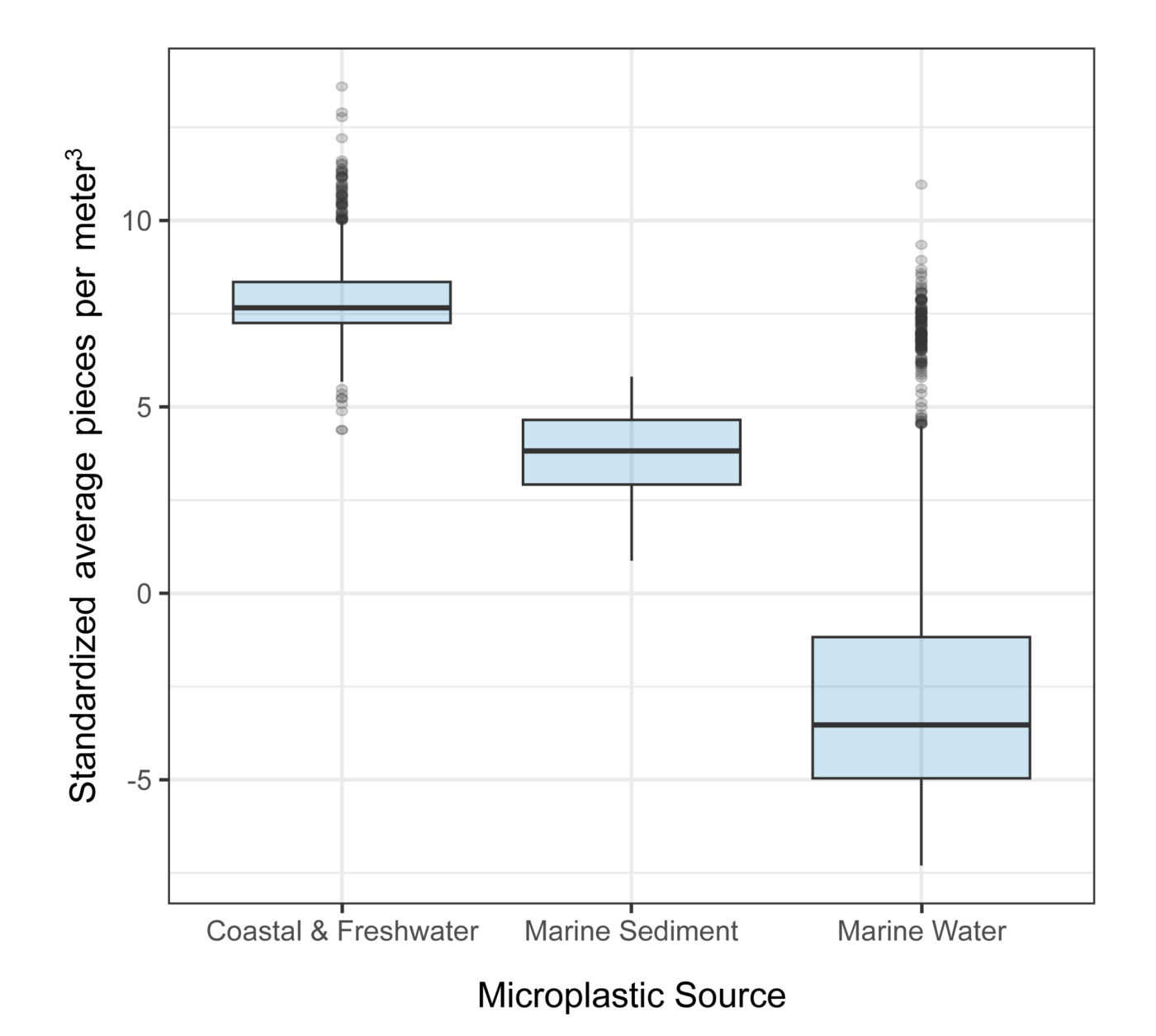
A comparison of data points from over 600 habitats near human activity (freshwaters and coastlines) and over 16,000 from remote ocean waters shows clear differences in microplastics concentrations. Sites at the urban-aquatic interface had larger maximum concentrations – more than six times that of marine habitats, though both habitats had samples with no microplastics present. On average, freshwater and marine habitats contained 9,231 and 111 pieces per meter3, respectively. These differences are statistically significant and likely explained by proximity to human activity and the smaller total volume of freshwater compared to ocean water.
Growing research on microplastics reveals how deeply these pollutants have invaded our water systems. While scientists have made great progress in understanding where these particles come from and how they spread, much remains unknown about how concentrations vary globally and their direct effects on organismal health. In the future, studies accounting for wider spatial scales will be essential to track microplastics around the world and find effective reduction strategies. This understanding of microplastic pollution may help protect fish, keep beaches clean, and protect human and global health.
This post was featured in our weekly e-newsletter, the Fish Report. You can subscribe to the Fish Report here.
This story was written by Ananya Karthikeyan for an internship with FISHBIO through the UC San Diego Academic Internship Program.
Header Image Caption: Microplastic fragments on beach sand.