

Monday October 5, 2026
The ability to harness electricity is a common power for superheroes. Shockingly, this skill is also prevalent in the fish world. Since underwater visibility can impair the detection of predators, prey, and obstacles, some fish have developed an additional sense to navigate their surroundings: electroreception.
Although electroreception is widespread among elasmobranchs (sharks and rays) and groups of electric fishes, the sense is absent in many modern fish lineages. It is thought that electroreceptors evolved from modified mechanoreceptors, giving some fish an enhanced ability to detect weak electrical fields generated by other organisms and the surrounding environment. This power is governed by two classes of sensory organs in fishes: ampullary organs and tuberous organs.
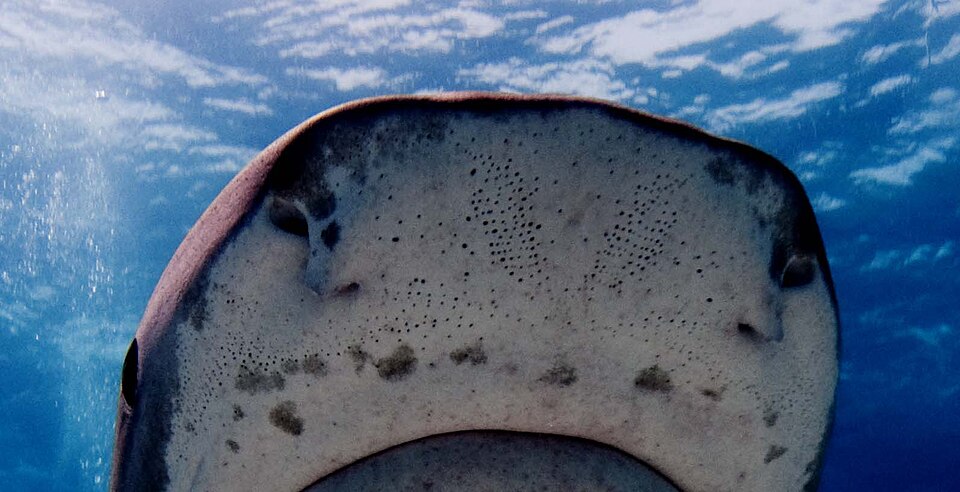
Ampullary organs allow fish to detect low-frequency electricity in their physical environment or produced by the muscle contractions and neuron activity of other organisms. These organs sit in pits that are open to the surrounding water and have canals that contain electroconductive gel. However, their anatomy differs depending on where a fish lives. Saltwater conducts electricity better than freshwater, allowing electrical signals to travel further distances from their source with the same initial energy. Thus, ampullary canals tend to be longer in marine fishes, ranging from roughly five to nearly 250 millimeters (over nine inches!) in epaulette sharks (Hemiscyllium ocellatum). Freshwater fishes have organs closer to the surface and shorter ampullary canals (ranging from 0.3 to 2 mm because of the lower conductivity of freshwater).
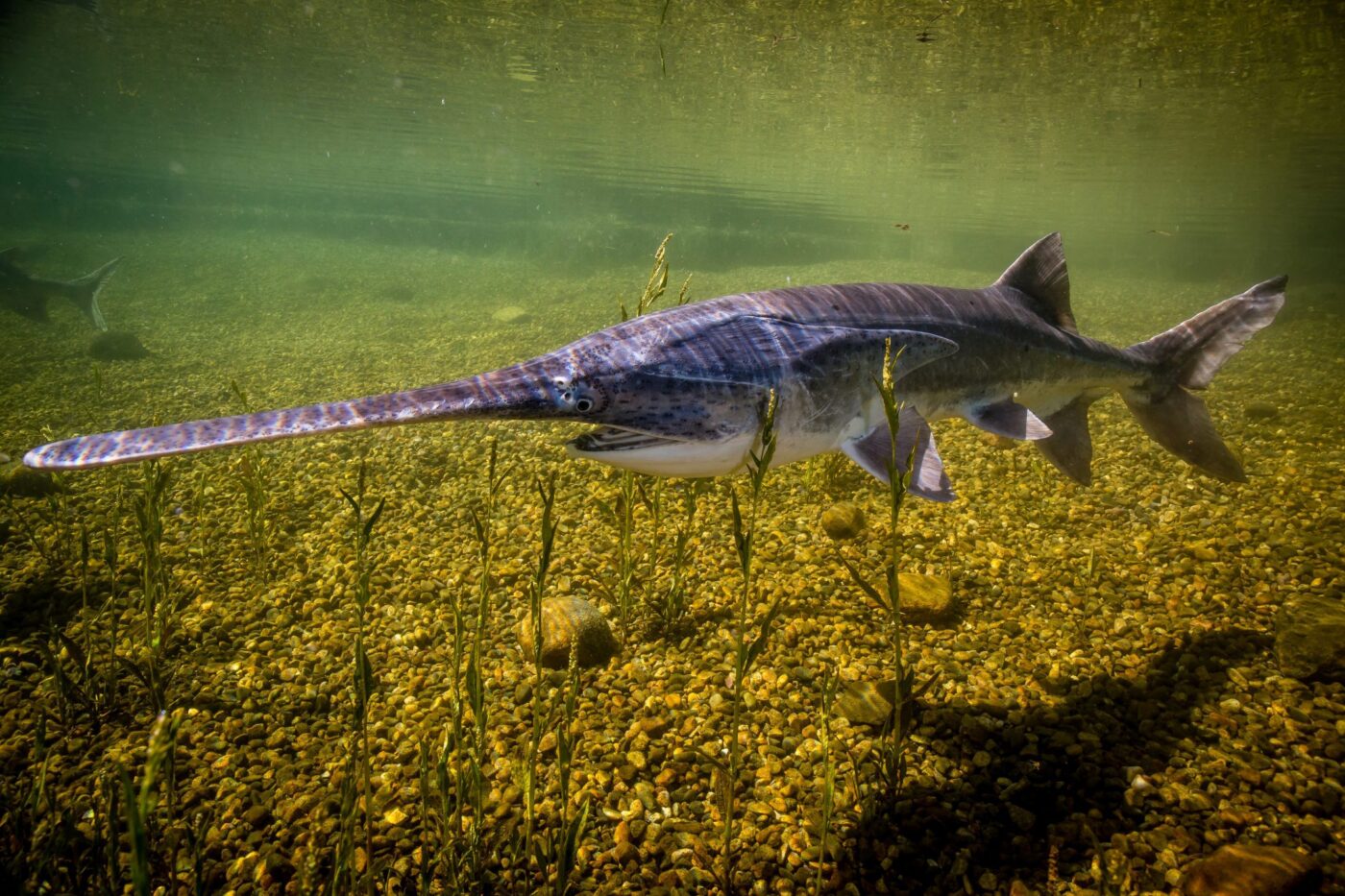
There is substantial evidence that ampullary organs are important for detecting both predators and prey. Bottom-feeding fishes, like the American paddlefish (Polyodon spathula), typically have more receptors on the undersides of their heads and bodies, especially near their mouths and faces. Other fishes, like sharks, use electroreception to find prey and avoid predators. In a laboratory environment, sharks reacted to live prey even when chemical and visual cues were hidden. Similarly, embryonic clearnose skates (Raja eglanteria) move their tails to facilitate respiration in their egg cases but pause this movement when they detect weak electrical stimuli (indicating nearby predators), similar to holding their breath to avoid detection.
Tuberous receptors are only found in fish that have organs that produce an electrical discharge, which are thought to have evolved from modified muscle or nerve cells. They are embedded under epithelial cells in the skin and are sensitive to higher-frequency electrical signals produced by electric organs. These receptors either detect when electrical signals occur or the strength of an electric signal. Like echolocation, this means fish can explore their surroundings without relying on their sight, solely based on perceived changes in the electrical field when objects are in range. Some fish also communicate using electric organs. Species like those in the ghost knifefish (Apteronotidae) family produce species-specific electrical signals that facilitate communication for courtship, social hierarchy, and other endeavors.

Electric fishes often exist as caricatures in mainstream media with charges strong enough to injure a person, but, in truth, these electric powers vary greatly among fish species. Although most electricity-generating fishes do it at a level that only deters or stuns prey, some fish like Volta’s electric eel (Electrophorus voltai) can produce large amounts of electricity (up to 860 volts)—more than seven times the voltage of a typical American household outlet and enough power to cause severe injury. For most electroreceptive fishes, however, electroreception is a subtle, yet powerful, sensory tool used to communicate and sense physical disturbances in their environment. Electroreception is yet another example of an amped-up sensory adaptation that evolved over millions of years to help fish navigate the underwater world.
Header Image Caption: Ampullary organs can be found in pits on the snouts of sharks and other elasmobranchs. © Albert Kok, CC 3.0
This Fish Report is part of our Sensory Perception miniseries, where we highlight important sensory structures that allow fish to thrive in aquatic environments. You can subscribe to the Fish Report here.