

Monday September 28, 2026
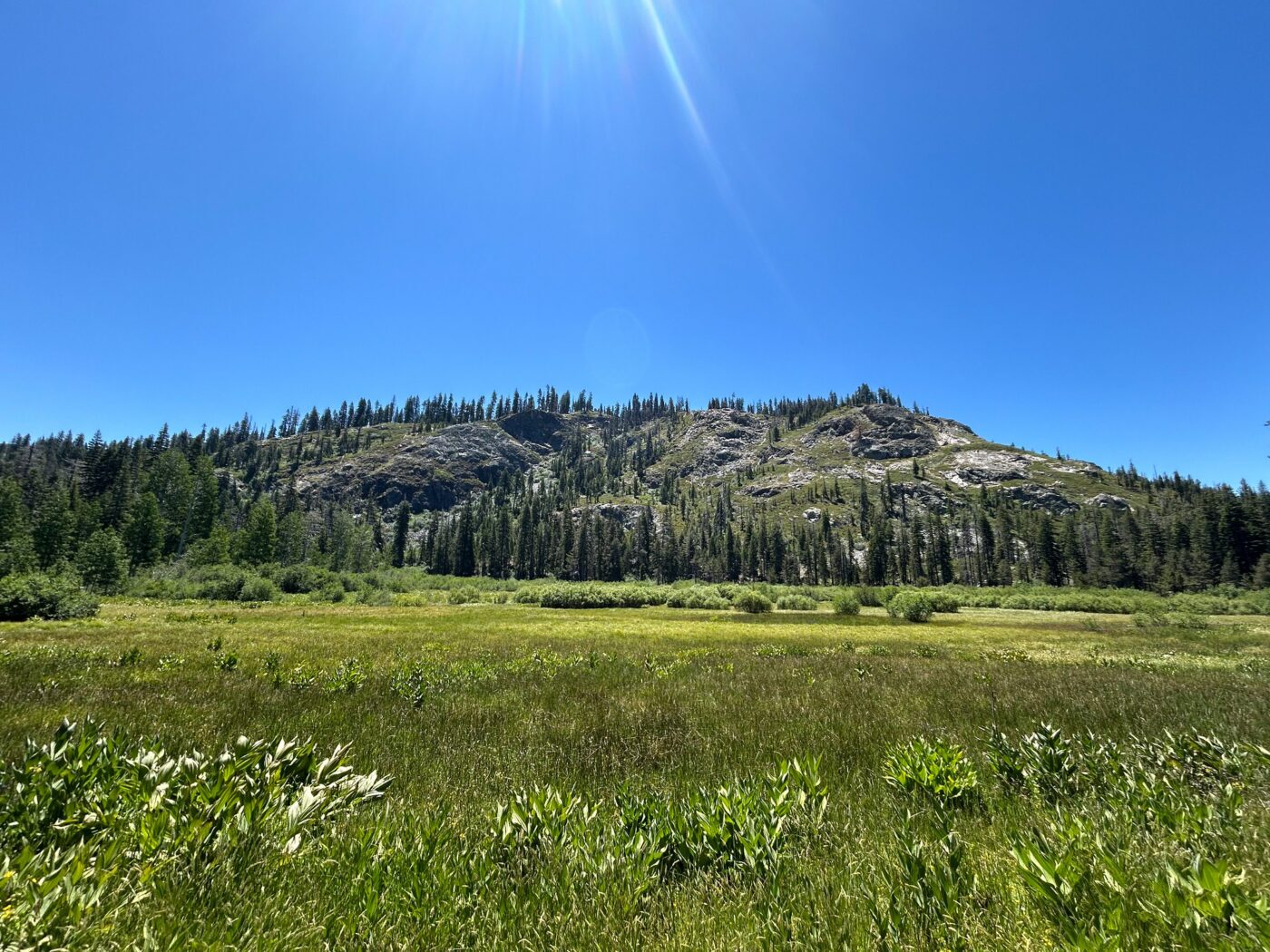
Naturalist John Muir wrote of the beauty of Yosemite’s mountain meadows, describing them as, “so brightly enameled with flowers and butterflies that it may well be called a garden-meadow.” Recent research suggests Sierra-Cascade meadows may once have covered nearly three times their current extent. Healthy meadows play an important role in storing floodwaters, improving water quality, and recharging groundwater. These areas also function as natural firebreaks because of their high soil moisture and sparse tree cover, providing critical refuges for wildlife during wildfires. Additional benefits include capturing sediment and reducing erosion. Equally important, meadows support an exceptional diversity of plants and wildlife, providing essential habitat for pollinators, amphibians, birds, mammals, and native fish. Meadows also act as important carbon sinks, storing greenhouse gases in their saturated soils for centuries. Today, meadows make up less than two percent of the Sierra-Cascade landscape, yet they store an estimated 12 to 31 percent of the region’s organic carbon. When these areas become degraded and dried, those same soils can release stored carbon back into the atmosphere and lose many other essential ecosystem functions.
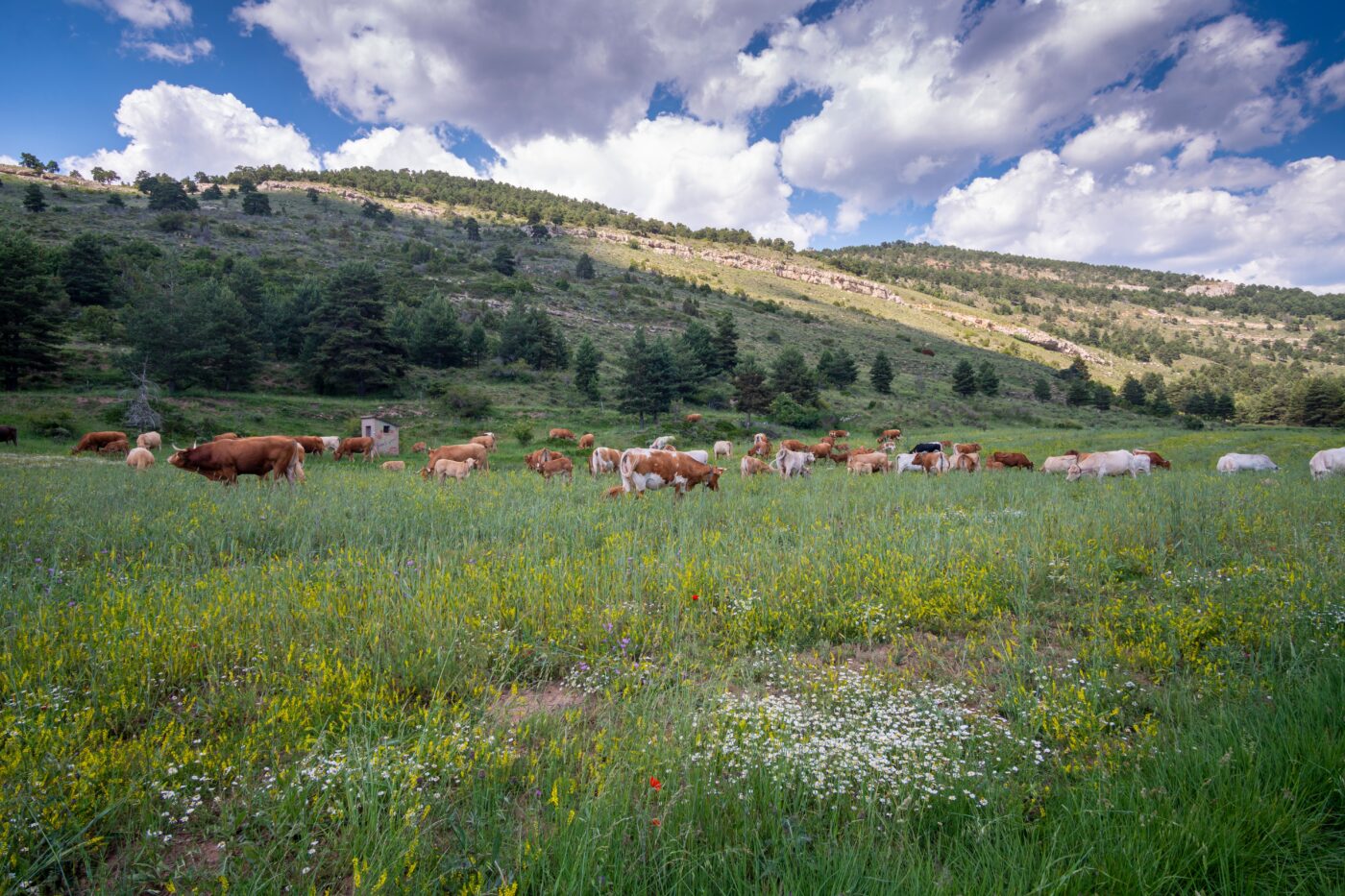
For thousands of years, Indigenous peoples stewarded California’s landscapes using cultural burning practices passed down for generations to maintain open forests, healthy meadows, and diverse plant and wildlife communities. These low-intensity fires reduced encroaching vegetation, recycled nutrients, and sustained the ecological processes that meadows depend on. Following the California Gold Rush, however, an influx of settlers brought large numbers of livestock into the Sierra Nevada region. Beginning in the 1860s, sheep and cattle were driven into high-elevation meadows each summer in search of forage. By 1870, geologist Joseph LeConte observed that “some twelve to fifteen thousand sheep are now pastured” in Tuolumne Meadows.
Livestock grazing was not the only force altering these ecosystems. Beaver trapping throughout California during the early 1800s dramatically reduced populations, and by the early twentieth century only an estimated 1,000 beavers remained statewide. As nature’s engineers, beavers build dams that slow and spread water across valley bottoms, raising groundwater levels and sustaining lush, species-rich meadows well into the dry summer months. By storing water and gradually releasing it over time, healthy high-elevation meadows recharge groundwater and sustain cold baseflows that support native aquatic species like rainbow trout (Oncorhynchus mykiss).
As more California meadows became degraded, restoration practitioners increasingly embraced process-based restoration (PBR), beginning around the 2010s. Rather than rebuilding streams to a fixed design, PBR focuses on restoring the natural processes that allow meadows to recover sustainably over time. Beaver dam analogs (BDAs) and post-assisted log structures (PALS) are examples of PBR that are sometimes used in meadow restoration. These structures mimic many of the functions of natural beaver dams by slowing water, trapping sediment, and reconnecting streams to their floodplains. Where suitable habitat exists, beaver recolonization or reintroduction can further maintain and enhance these restored systems.
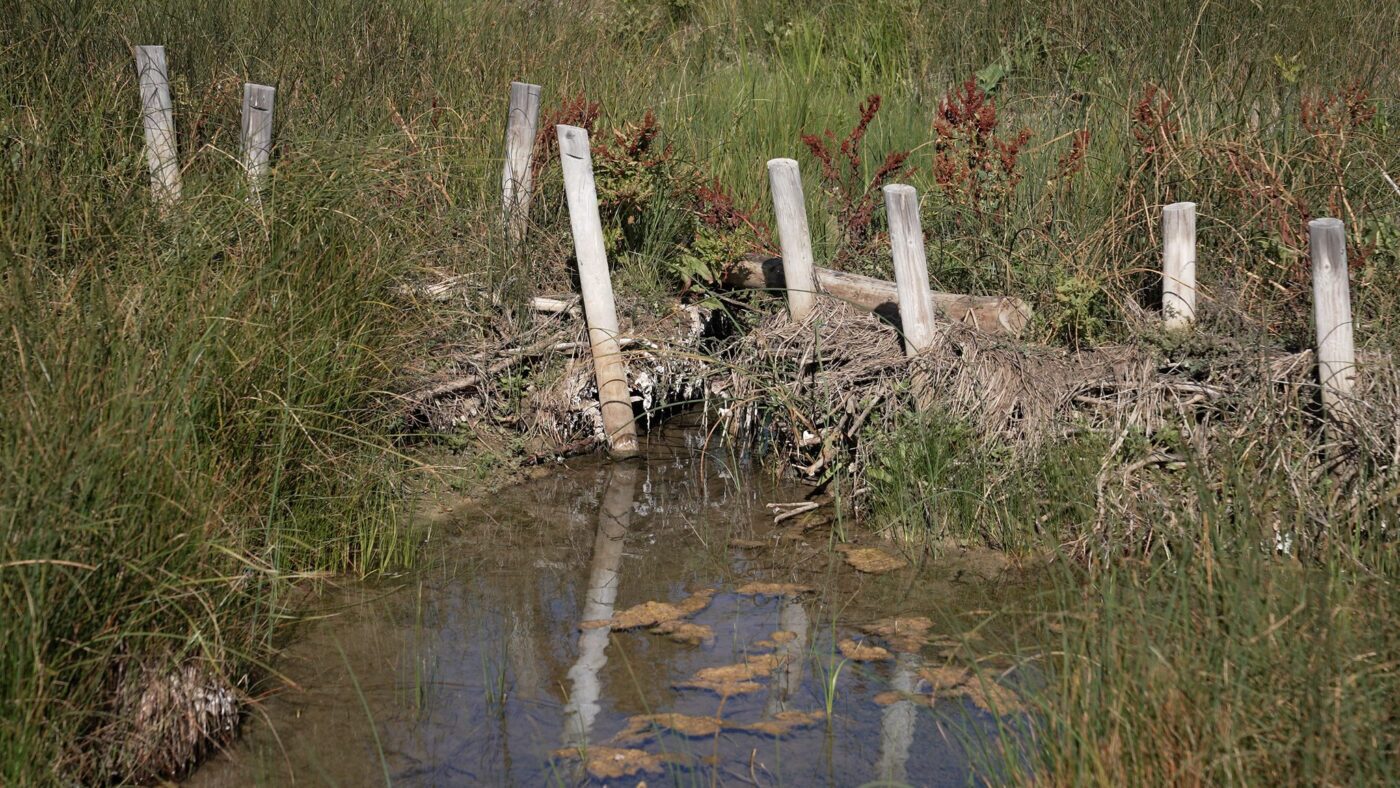
In meadows where streams have become deeply incised, PBR techniques can be implemented to gradually raise streambeds. As the channel climbs, water once again spreads across the floodplain, raising groundwater levels and breathing life back into dry, degraded meadows. Once hydrologic function is restored, planting native sedges, willows, rushes, and wildflowers can accelerate recovery and provide habitat for a wide variety of wildlife. Another common challenge is conifer encroachment. As trees invade meadow margins, they consume groundwater, shade native vegetation, and gradually shrink open meadow habitat. Reintroducing low-intensity, controlled fires through prescribed or cultural burning can help maintain these open landscapes, although mechanical removal of encroaching trees is often needed initially to restore natural conditions.
Although meadows occupy only a small fraction of the Sierra-Cascade landscape, they provide outsized benefits for both wildlife and people throughout the watershed. Remarkably, many successful restoration techniques—including installing BDAs, planting native vegetation, and stabilizing streambanks—can be accomplished using simple hand tools. Restoring the natural processes that sustain these ecosystems can help ensure that California’s meadows continue to store water, support biodiversity, and build resilience to drought, wildfire, and a changing climate.
Header Image Caption: Restored meadows can store water, support diverse wildlife and plant communities, and strengthen landscape resilience.
This Fish Report is part of our Restoration miniseries, where we discuss how and why different freshwater habitats are being restored. You can subscribe to the Fish Report here.