

Monday May 18, 2026
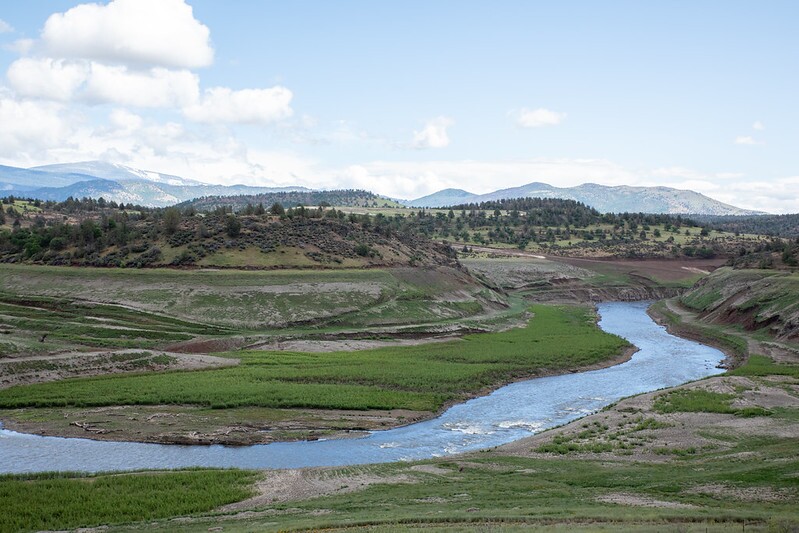
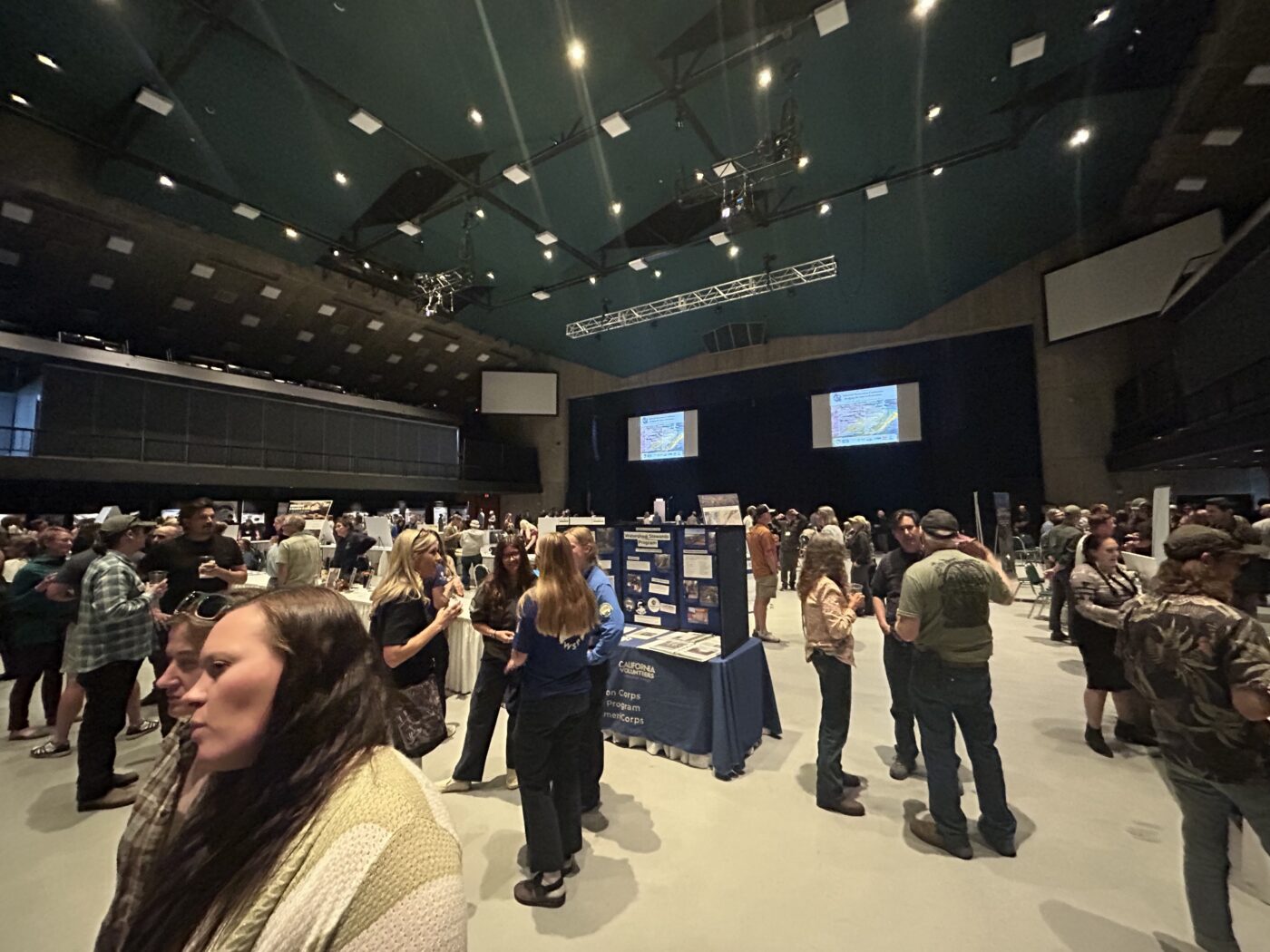
This spring, the 43rd annual Salmonid Restoration Conference was held near the banks of the Sacramento River in Redding, California. Situated between the Klamath and Sacramento River watersheds, conference highlights included tours that showcased current salmonid fish passage and habitat restoration projects taking place in local rivers. Workshops included discussions and trainings centered around methods for improving stream flows, managing dam removal projects, and developing beneficial tribal water use strategies.
This year’s theme, “Bridging the Gaps in Restoration,” was short and sweet, yet layered with meaning. Many presentations from tribal members, and other projects with strong emphases on incorporating indigenous cultures, values, and traditional ecological knowledge (TEK), illustrated the complex nuances of this theme. The salmonid restoration community is hard at work researching challenges facing modern waterways, and addressing gaps found in restoration strategies, implementations, and assessments. However, while the rigorous research process frequently used in Western science lends itself to measurable and repeatable outcomes, it can result in the exclusion of valuable voices and marginalized knowledge systems.
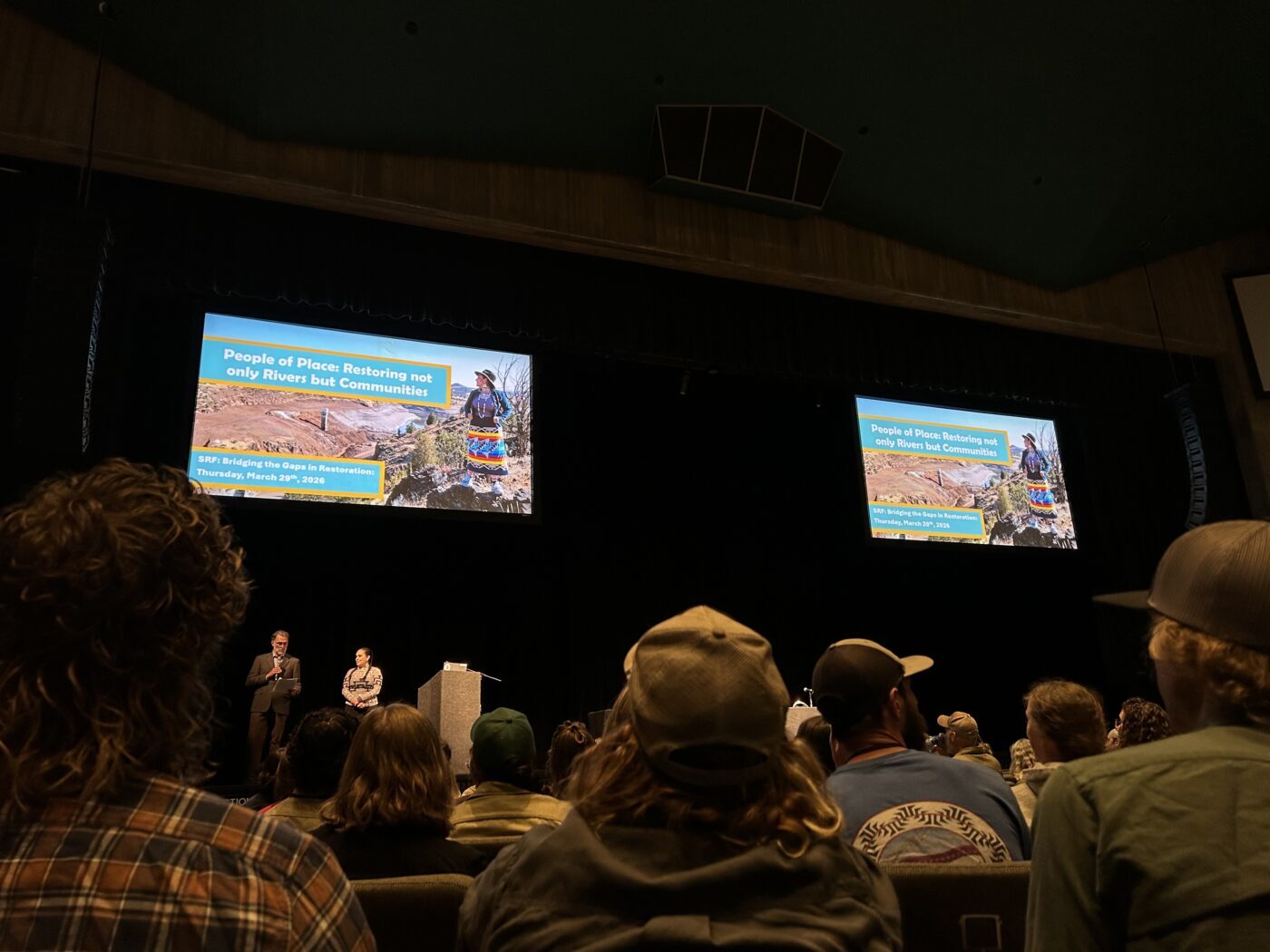
Plenary speakers Chief Caleen Sisk (Winnemum Wintu Tribal leader) and Brook Thompson (Save Our Salmon) shed light on critical gaps in the inclusion of indigenous people in scientific planning and project design for research occurring on Tribal lands. Thompson encouraged her audience to cultivate relationships with indigenous communities before project design begins, and to plan for their inclusion throughout all stages. Chief Sisk detailed a strong example of such collaboration between the Tribe and state and federal agencies, who are working together as co-decision makers to restore winter-run Chinook salmon to the upper McCloud River.
Early stages of this reintroduction project involved streamside salmon incubation in traditional hatchery trays but later incorporated Chief Sisk’s ideas for a nature-based incubator that mimics McCloud River conditions and allows fish to build swimming skills before exiting into protective side channels designed by the Tribe. Dr. Rachel Johnson (NOAA), a biologist who worked alongside Sisk on this project, iterated that the Chief’s modifications of conventional practices throughout the project and proposal of alternate solutions resulted in more accurate data collection and less impacts on the fish. Her contributions highlight some of the benefits in bridging the gap between TEK and Western science methods.
The Klamath Dam removals of 2024—and subsequent restoration and monitoring efforts—were the subject of multiple talks and discussions. The Klamath Basin’s restoration journey is a strong example of collaboration and the value of indigenous voices. These historic barrier-removals were made possible by impacted Tribes of the Klamath Basin, including the Yurok, Karuk, Hoopa, Modoc, Klamath, and Paiute Tribes, who spent decades advocating for dam removal and continue to further restoration efforts. Klamath River Chinook salmon and other native fish now have access to their historic range, but the habitat quality of the streams they return to is a work in progress. Talks covered topics like dam removal impacts on the aquatic food web and nutrient dynamics, methods for rebuilding resurfaced streams, and spring-run Chinook monitoring in the reconnected basin. Resource Environmental Solutions (RES) gave a talk detailing their work alongside the Yurok Tribe and other partners to replenish fish and insect cover in resurfaced tributaries, create floodplain habitat, and revegetate thousands of acres with native plant species.
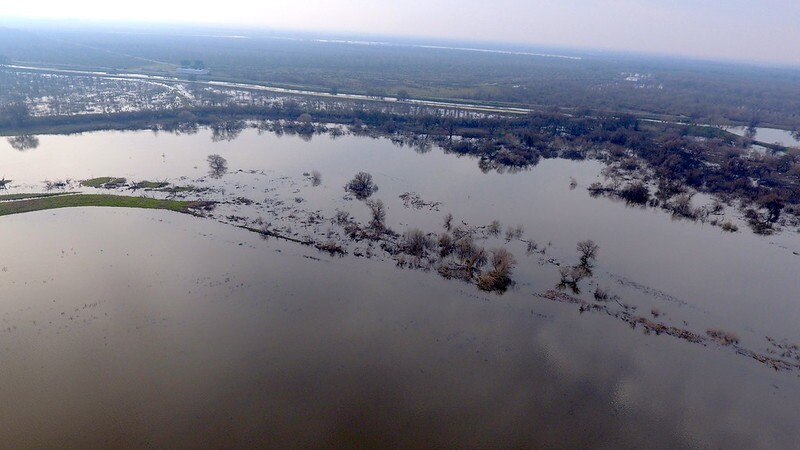
Other conference sessions highlighted topics like guidance for riparian habitat restorationists, strategies for streamflow management, and innovative floodplain reconnection in the Central Valley. One talk, given by Dr. Stephanie Quinn Davidson (Ridges to Riffles Indigenous Conservation Group), discussed some conservation challenges, including slow-paced decision making in a culture of scarcity and abrupt shifts in administration and funding availability. She maintained that elevating Tribal voices and leadership has the potential to remedy these shortcomings. Indigenous-led conservation strategies, which are rooted in TEK and prioritize long-term community resiliency, can provide the critical shift in mindset needed to make lasting change for preserving salmon and the cultures who rely on them.
Conference attendees were immersed in recent restoration wins, updates on ongoing efforts, and were reminded of crucial gaps in the field of conservation. With fresh perspectives and a deepened spirit of collaboration, the diverse mix of entities involved in restoration—Tribes, state and federal governmental agencies, scientists, farmers, construction contractors, and others—can continue working toward common goals of restoring and maintaining important aquatic ecosystems.
This post was featured in our weekly e-newsletter, the Fish Report. You can subscribe to the Fish Report here.
Header Image Caption: The post-dam removal Klamath River continues to be a hub for restoration research.