

Monday April 6, 2026
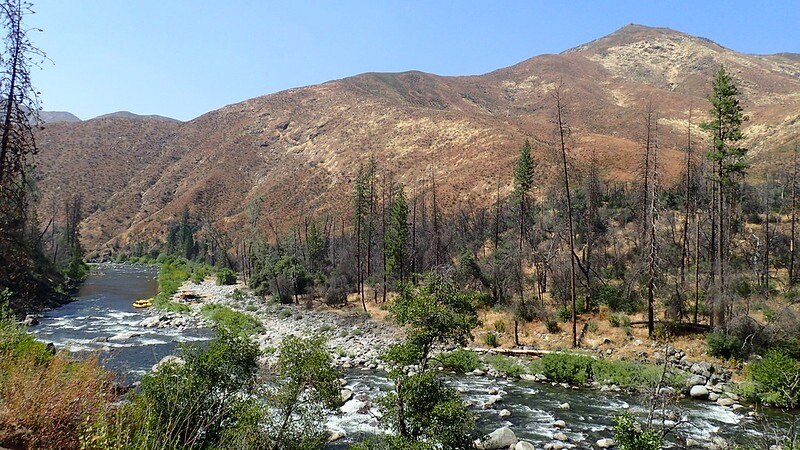
Fire is a fact of life for many ecosystems. While many species are adapted to these recurrent natural phenomena, fires continue to increase in frequency, intensity, and severity. Along with more frequent fires also comes salvage practices such as timber harvesting and replanting. While fires and post-fire salvage practices touch the whole ecosystem, most post-fire studies focus on economically and culturally important species like salmonids, without looking at effects across the entire freshwater community. In a time when fire frequency and severity are on the rise, this information could prove critical to inform post-fire management practices.
A recent publication examined the effects of fire severity and timber salvage efforts on freshwater communities in streams throughout Oregon’s conifer forests. The publication hypothesized that community assemblages (specifically fish, amphibians, and crayfish) are all affected by burn severity and that these communities change more between years in more severely burned watersheds. For this study, the researchers collected post-fire data from 30 streams for three years. Each site ranged in burn severity and included unburned sites. In this project, salvage efforts were defined as post-fire timber harvesting followed by replanting. In burned areas, researchers recorded stream temperatures and conducted electroshocking surveys to collect fish, amphibian, and crayfish counts. The researchers also collected data on environmental variables (stand age, elevation, gradient, etc.) at each site. In the analyses, the effects of fire and salvage practices on many different groups of taxa were evaluated. These different groupings included total taxa, total fish, native adult trout, young-of-year (YOY) trout, sculpin, salamanders, frogs, and crayfish.
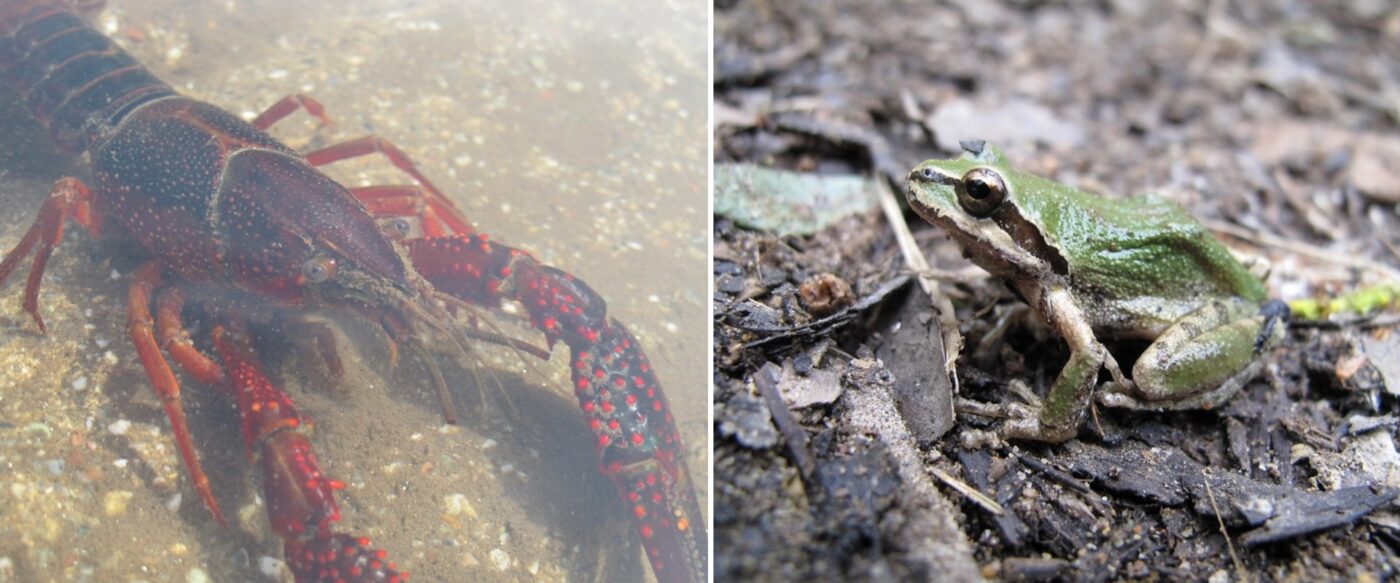
The authors expected burn severity to correlate with yearly changes in community assemblages and for more severely burned areas to undergo greater changes between years in fish, amphibians, and crayfish communities. In the end, the results showed that many areas that experienced severe burns had greater densities within their vertebrate assemblages than areas that experienced less severe burns. This trend was observed when the researchers considered the groupings: total vertebrates, total fish, and trout. Sculpin, amphibian, and crayfish densities were unaffected by burn severity. With respect to restoration efforts, areas with more timber harvesting and replanting had lower densities of frogs but greater densities of YOY trout.
Researchers suggest that sites with more severe burns had fewer trees, and as a result, more sunlight could reach the water through the canopy. This leads to more plant and macroinvertebrate growth, creating a larger food supply for fish at these sites. The greater food availability eventually leads to higher fish densities in these more severely burned areas, however counterintuitive it may seem.
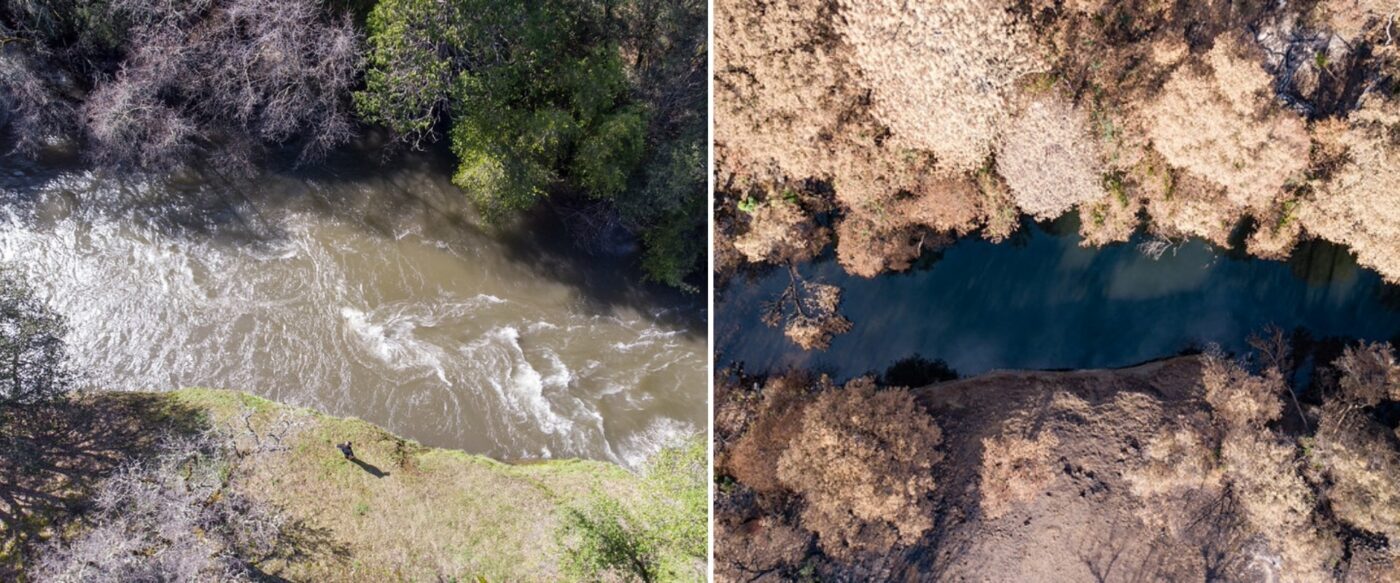
Additionally, warmer sites supported larger YOY trout—similar trends have been recorded by other studies focusing on growth patterns of YOY trout in burned areas. Greater food availability and the earlier emergence of YOY trout in warmer systems may also promote higher YOY trout densities and larger fish. Together, these results show that in the three years after a fire, fishes do very well while amphibians and crayfish persevere. The researchers also note that areas that experience severe fires also typically experience natural events such as landslides, which disrupt streamflow. None of these events occurred at their study sites, meaning that effects of such events were not reflected in their results.
Overall, this study shows that wildfire severity alone does not destabilize freshwater vertebrate communities as much as previously assumed. Instead, natural landscape features and temperature shifts played a larger role in shaping fish, amphibian, and crayfish populations. Many times, severely burned areas even supported higher densities of some taxa, likely due to increased light and food availability. These findings highlight the surprising resilience of freshwater communities, and underscore the importance of considering both fire and non-fire factors when planning post-fire restoration and salvage efforts. Altogether, the results reveal a more nuanced picture of how freshwater systems respond to wildfire, and can help guide smarter post-fire management as fires continue to intensify in the West.
This post was featured in our weekly e-newsletter, the Fish Report. You can subscribe to the Fish Report here.
Header Image Caption: Few studies have looked at the effects of fire severity or timber salvage efforts on freshwater vertebrate communities.