

Monday June 15, 2026
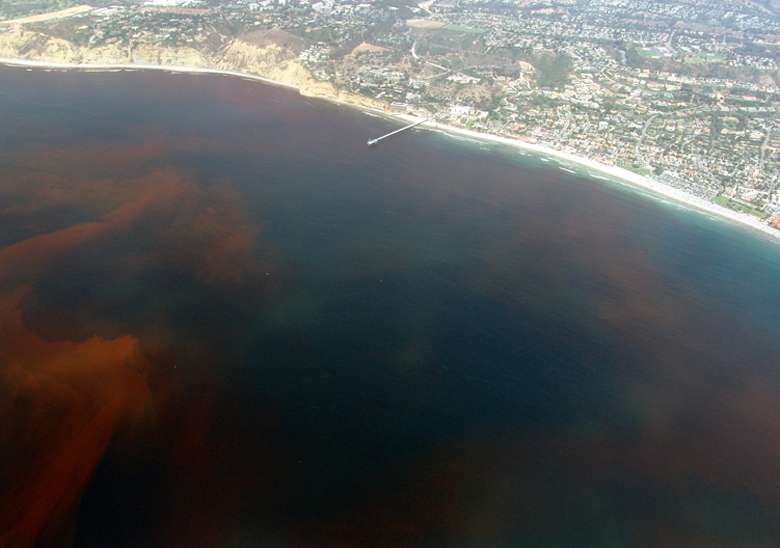
Algae are a vital, yet sometimes overlooked, part of aquatic ecosystems. These single-celled organisms act similar to plants, using sunlight to make their own food through photosynthesis. They form the base of many food webs, supporting everything from tiny zooplankton to large fish and marine mammals. But when conditions align, this essential resource can turn into a serious environmental threat. Harmful algal blooms (HABs) occur when certain species of algae grow rapidly and out of control. This usually happens when they receive an excess of nutrients, along with plenty of sunlight and warm water. These outbreaks can discolor the water, turning it green, red, or brown. Common groups of algae that cause HABs are cyanobacteria, diatoms, and dinoflagellates. Some of these species produce neurotoxins, harmless to most wildlife and humans in small amounts, but damaging at high levels associated with blooms. The effects of HABs ripple through entire ecosystems when algae-produced toxins build up in fish, shellfish, and other animals. These toxins can even make their way into humans through contaminated seafood.
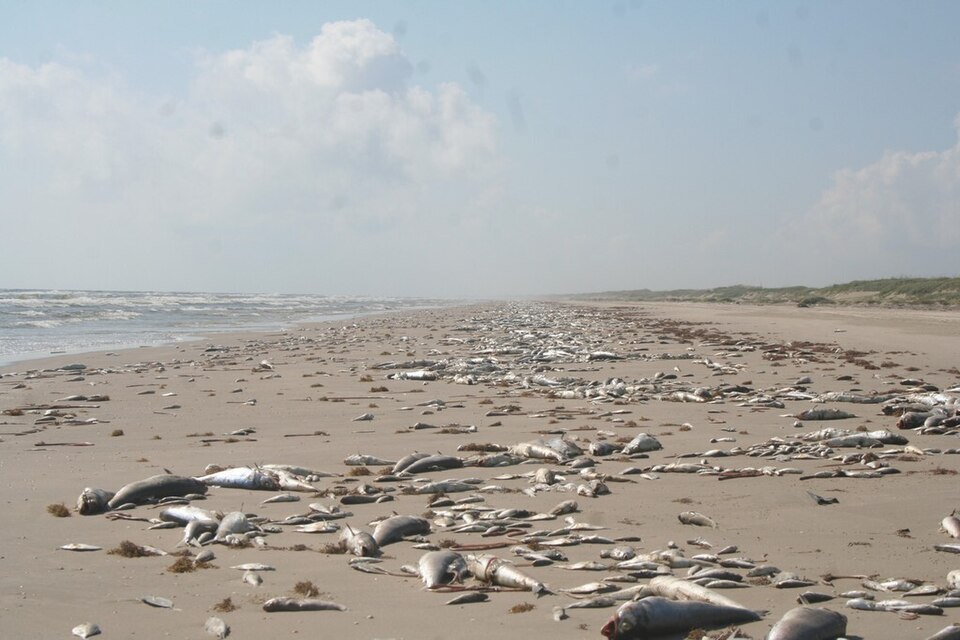
One high-profile example was a widespread HAB that started in San Francisco Bay in July, 2022. A red tide swept through the area, turning the waters reddish-brown with a neurotoxin-releasing algae. Not only were there massive fish kills, but nearby shellfish farms and fisheries were forced to close for fear of contamination. The HAB spread from the bay into connected water bodies, causing extensive ecological and economic damage. A similar event occurred on the Oder River in Germany and Poland in the summer of 2022, as the rivers turned green with toxic algae, resulting in the loss of around 300 tons of fish and aquatic organisms. It was later found that pollution from salt mine discharge may have initiated the bloom, prompting the European Union to call for improved river management to prevent future HABs in Poland.
Harmful algal bloom research focuses on prevention, restoration, and predicting how blooms will change in the future. Existing literature consistently shows that HAB events are becoming more frequent, intense, and widespread because of multiple factors, including rising water temperatures, carbon dioxide, and nutrient pollution. Warmer water helps algae grow faster, outcompete other organisms, and create blooms that last longer and are more concentrated. Higher levels of carbon dioxide in the atmosphere also act as fuel for algae. Additionally, agricultural fertilizers add nutrients like nitrogen and phosphorus into water bodies that bolster algae.
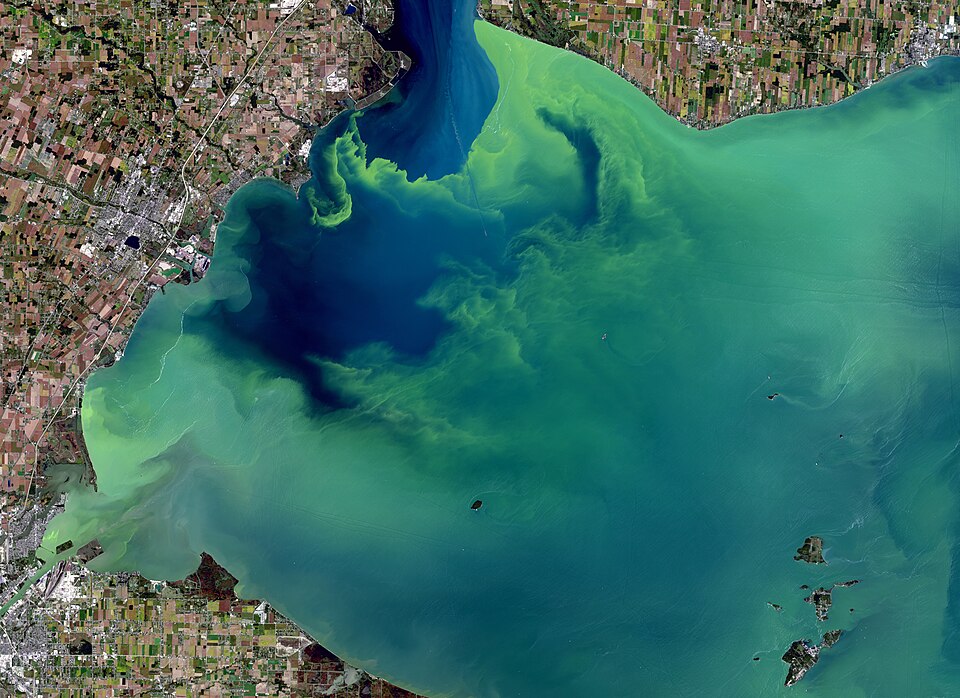
Climate change also influences HABs. Increases in heavy rainfall events can lead to more nutrients being washed into waterways and facilitate the rapid movement of those nutrients throughout water systems. Droughts can also prompt HABs by prompting high levels of evaporation, resulting in nutrients becoming concentrated in smaller volumes of water. These shifting weather patterns not only make blooms more frequent but also help them spread into new areas. Harmful algal blooms are now appearing in places they were once rare, from parts of China’s coastline to shellfish farms in Norway.
Algal blooms can also have significant societal impacts on communities that depend on affected waters. Harmful algal blooms can produce toxins that contaminate drinking water and seafood, posing serious risks to human health. They can also cause widespread fish kills and damage marine ecosystems, harming fisheries and aquaculture industries. Coastal communities especially often suffer economic losses when beaches close and tourism declines. Together, these effects can disrupt local economies and threaten public well-being. The growing frequency and intensity demonstrate how closely aquatic ecosystem health is linked to human activities and a changing climate. Harmful algal blooms not only affect individual species or local communities but can also alter entire food webs, reduce biodiversity, and diminish the ecological services that healthy waterways provide. Overall, scientists agree that climate change and human activity have created the perfect storm to worsen HABs. Without changing how nutrient pollution and emissions are managed, these harmful blooms will likely continue to grow in scale and impact. The far-reaching environmental, economic, and public health consequences of HABs highlight the urgent need for preventative action. Ultimately, understanding current trends and causes of harmful algal blooms is vital to bolster resilient fisheries and maintain healthy aquatic ecosystems.
This story was written by Ananya Karthikeyan for an internship with FISHBIO through the UC San Diego Academic Internship Program.
This post was featured in our weekly e-newsletter, the Fish Report. You can subscribe to the Fish Report here.
Header Image Caption: With the right conditions, like extra nutrients and sunlight, algae can grow out of control and have negative effects on the ecosystem.