

Monday August 17, 2026
California’s Central Valley (CV) salmonids face many problems, and their decline can be attributed to “death by a thousand cuts.” Some of those cuts are exhibited in the high levels of mortality that juveniles face when they migrate from CV rivers to the ocean where they would ideally mature before returning to spawn. Predation, starvation, disease, and poor habitat are just some challenges these juveniles face. Unfortunately, it can be hard to identify what exactly causes these high mortality numbers at finer scales, making it difficult to apply targeted management strategies. For imperiled populations, even small improvements in juvenile survival can matter, so identifying the most important sources of mortality is key for effective recovery actions.
Studies focused on juvenile salmonids are difficult to design as they often must consider multiple factors, resulting in high levels of complexity and significant expenses. These research projects often incorporate many design choices, from the number of fish tagged to the placement of receivers. Tag choice matters as do the biological and environmental differences that can influence juvenile mortality. The probability of being able to detect a fish based on the choice of methods also must be considered. Because of these different components, costs, and intricacies, simulations can be used as a tool to help researchers design an effective study.
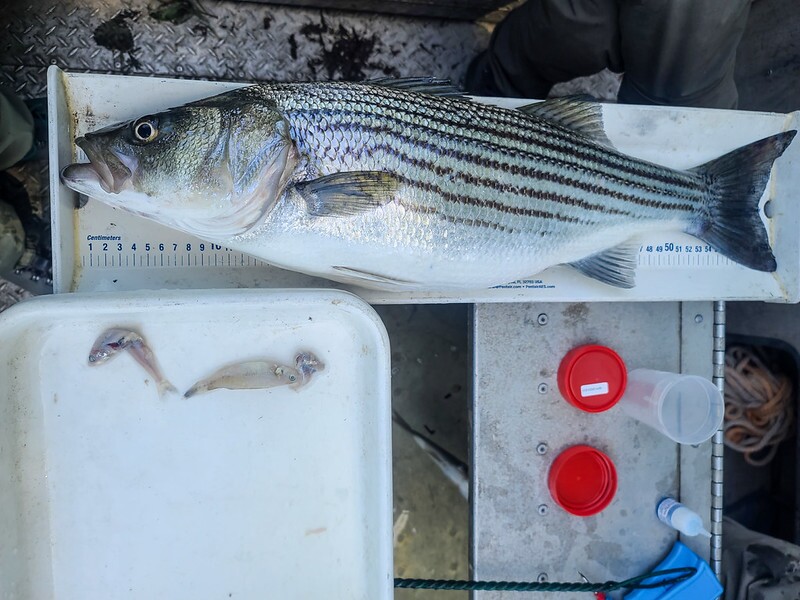
A recent publication, “Simulating telemetry studies that estimate component mortality rates of imperiled juvenile salmonids,” used multistate mark-recapture models (MSMRs) to demonstrate how researchers can analyze survival datasets by focusing on component mortality of juvenile salmonids. The publication assessed how varying effort, namely sample size (e.g., the number of acoustically tagged individuals) and detection efficiency, can affect the model outputs, which can inform more targeted project planning. Further, MSMRs can help identify areas where specific conservation efforts—like habitat improvement or predator mitigation—would be most effective, so the code provided in the publication can aid in analyzing existing datasets.
To demonstrate the increasing levels of complexity that accompany most research designs, this study presented six scenarios using simulated datasets of increasing complexity to be compared to one another. Each scenario was tested with increasing numbers of “tagged individuals,” simulating 50 to 1,000 tagged fish. The first scenario (A.1 in the figure below) looked at passive tracking (simulating predation-detection acoustic tags), while the second scenario (A.2) looked at both passive and active tracking, simulating a higher detection probability. The third scenario (A.3) mirrored A.1 and A.2 while also doubling mortality rates. The fourth scenario (B) looked at both passive and active tracking while also accounting for avian versus fish predation (with combined acoustic-radio tags). The final two scenarios (C.1 and C.2) mirrored the first two while also accounting for body size and temperature as drivers of mortality.
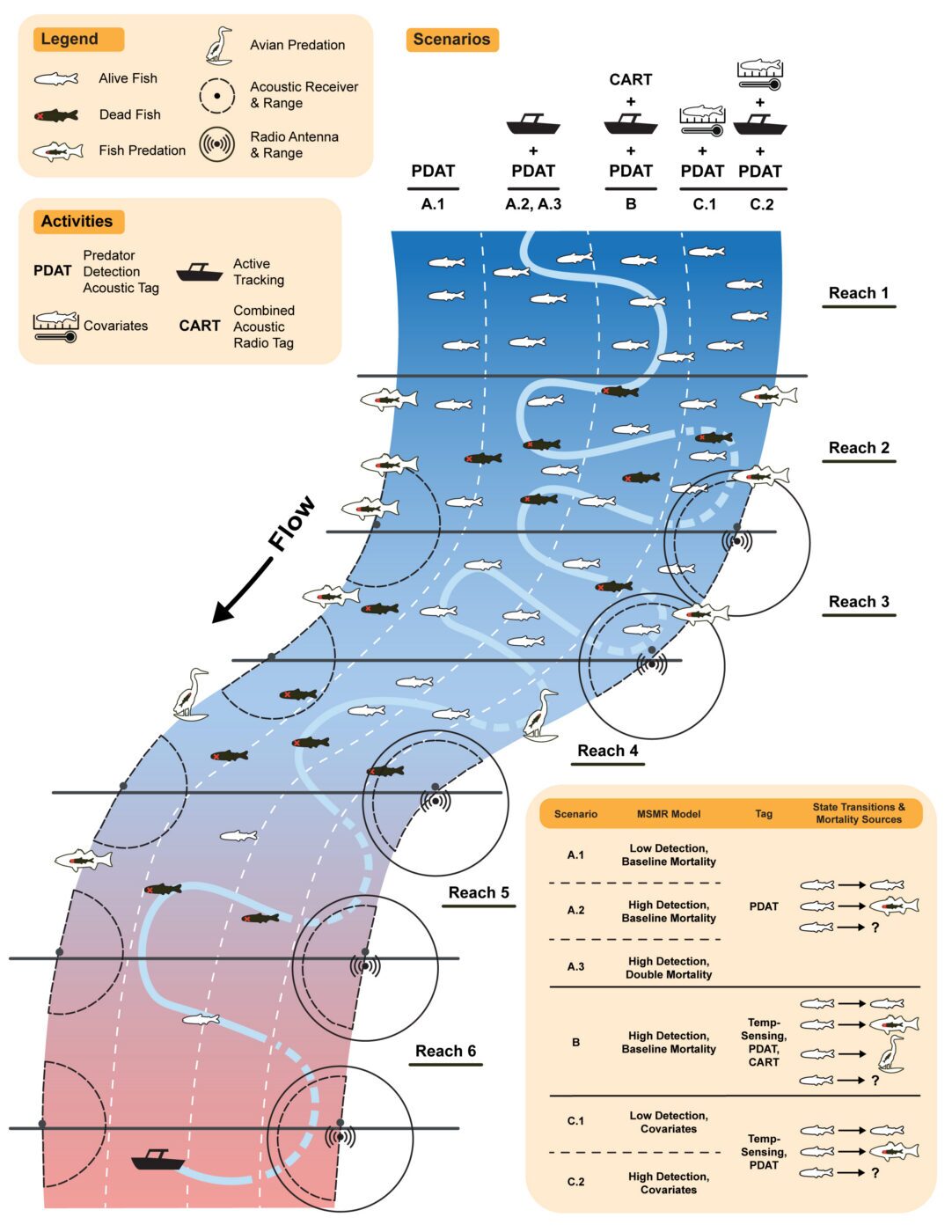
The results of testing these different scenarios against one another indicate that increasing the number of tagged fish generally improved accuracy and precision more effectively than using both passive and active tracking (e.g., increasing detection probability). However, while passive tracking produced reasonable estimates, those estimates were more variable, especially when considering covariates (body size and temperature). Passive tracking simulations with small sample sizes also struggled in some cases, particularly when mortality rates were high.
The simulations and code from this research study give managers and researchers a way to evaluate whether a telemetry project is likely to answer the questions they care about before the study begins. For conservation planning and management to be effective, knowing where, when, and why mortality is occurring allows for more targeted efforts. For example, if predation is a major source of mortality, actions might focus on predator hotspots, habitat features that make juveniles vulnerable, or passage conditions that delay migration. Meanwhile, if unknown mortality is high, the results may point to the need for better detection coverage, more detailed environmental monitoring, or additional tag technologies. When it comes to piecing apart these nuances, simulation tools like this are incredibly helpful. These methods can help make telemetry studies more efficient, economical, and defensible, which is especially important when working with imperiled fish populations where sample sizes, funding, and time are limited.
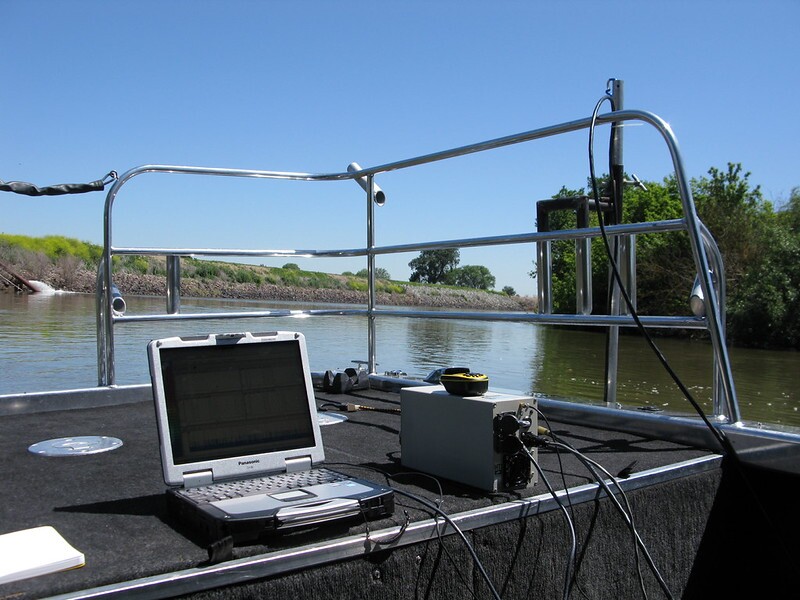
Header Image Caption: Juvenile salmon experience high mortality rates when they migrate from Central Valley rivers to the ocean.
This post was featured in our weekly e-newsletter, the Fish Report. You can subscribe to the Fish Report here.