

Monday October 19, 2026
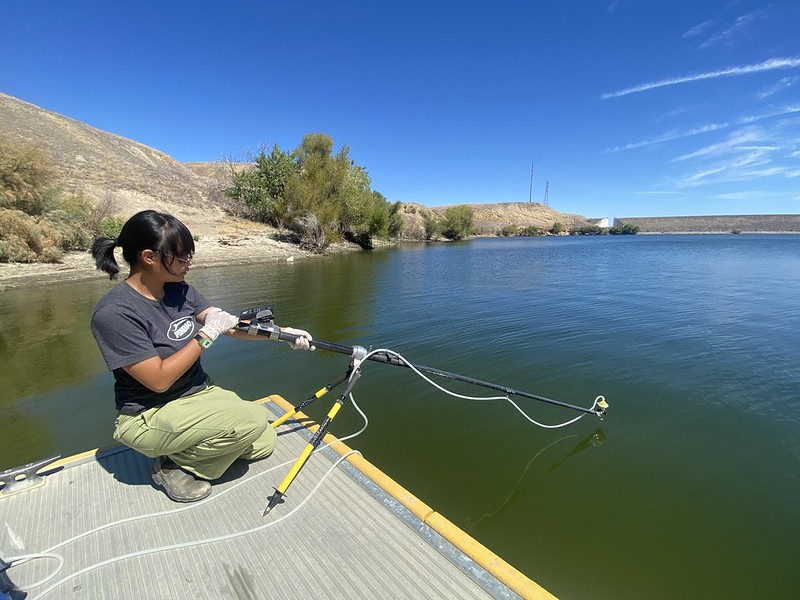
A water sample is all that it takes to determine if a sensitive fish species is present in a waterbody, without capturing, trapping, or handling a single individual. Environmental DNA (eDNA) sampling makes this possible by detecting the genetic material that organisms leave behind in the water through biological materials like mucus, feces, and tissue. Recent studies have shown the value of eDNA for detecting rare fish in large rivers, tracking invasive species through complex waterways, and confirming the presence of species in difficult-to-sample environments. As eDNA methods become more widely adopted, eDNA is increasingly being incorporated into fisheries monitoring, ecological research, and environmental permitting efforts.
Traditional methods such as electrofishing, seining, and trapping have long been used to collect data on species composition, abundance, and age structure. However, rare or sensitive species sometimes go undetected by these methods because they often occur in low numbers, may be elusive, or are not effectively sampled by traditional gear. Using eDNA methods alongside traditional sampling can increase the likelihood of detecting these rare or sensitive species. In turn, this can provide a more complete picture of species richness and a more robust assessment of community structure in an area. This advantage can be especially important in large river systems, where traditional fish surveys are often costly, time-intensive, and limited to specific habitats.
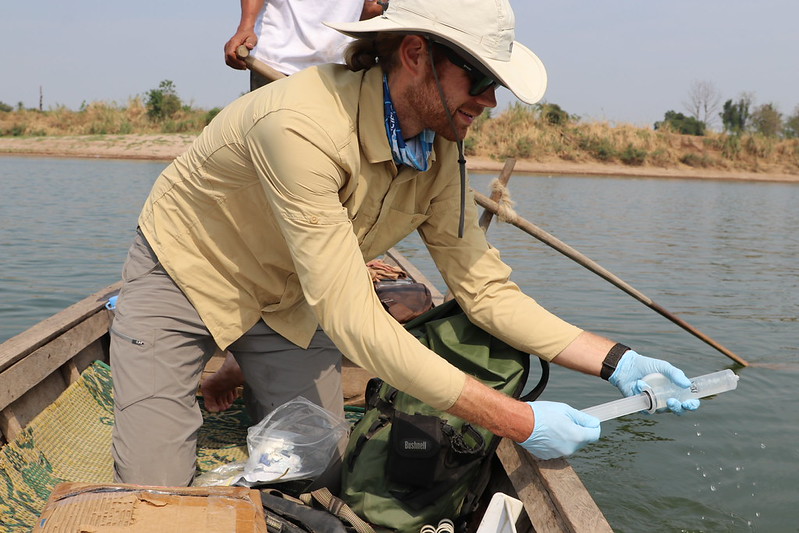
Given that eDNA does not provide information such as age, size, or abundance, it is often used as an initial survey method that can be complemented by additional, more intensive surveys. For instance, eDNA has been used by FISHBIO as a complementary detection technique in surveys of Salinas Lagoon. Some publications now seek to establish rigorous guidelines and protocols to support the use of eDNA in permitting to facilitate this growing body of methods. This could impact future efforts because there are circumstances in which eDNA can serve as an effective alternative to traditional sampling methods, such as when projects have short timelines, limited budgets, occur in high-traffic public areas that may be sensitive to intensive sampling approaches, target fragile species that do not tolerate physical sampling, or when environmental conditions prohibit the use of traditional sampling. In hard-to-access lakes, a USGS project sampled at only 10 locations using eDNA and was able to confirm the presence of 70% of all species previously detected in the area.
Because eDNA is non-invasive, relatively inexpensive, and does not require extensive permitting, it is changing how fisheries projects and fieldwork are executed. Since eDNA relies on water samples rather than direct interaction with organisms, it may also reduce concerns about survey activities that could harm sensitive species. A positive eDNA detection can help focus follow-up surveys on the most relevant habitats, seasons, or species, while a non-detection can help identify where additional sampling may be needed. In California, eDNA has played a role in tracking and studying the invasive golden mussel because of its ability to provide an early warning to the presence of these small mollusks. While some regulatory agencies may be hesitant to rely on eDNA as the sole source of species information, in certain situations it may be the only practical method available, or the most thorough—in some instances, eDNA has detected federally protected fish in locations where traditional surveys failed to find them. For example, eDNA monitoring for the Endangered tidewater goby on California’s coast had nearly twice the sensitivity of traditional net surveys, expanding the species’ known distribution.
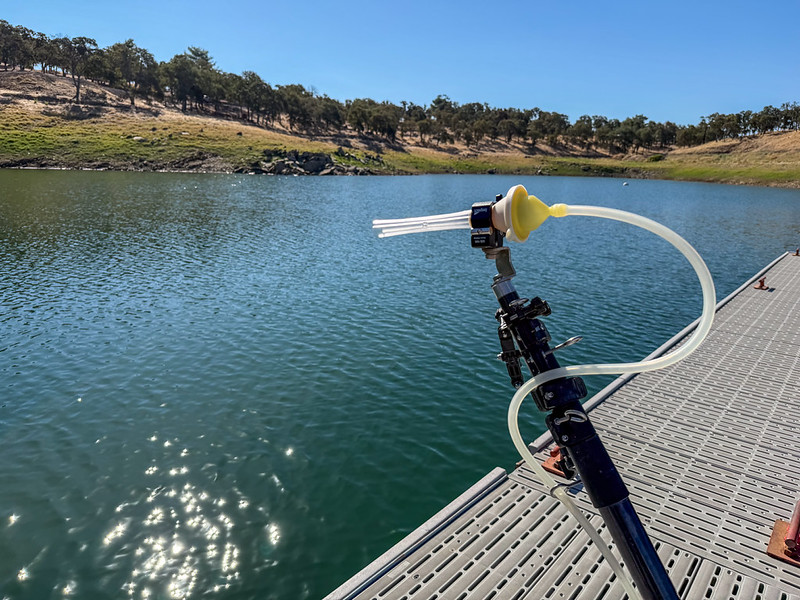
Like any sampling method, eDNA has limitations, and understanding those limitations is critical for interpreting results accurately. Environmental conditions such as temperature, ultraviolet exposure, turbidity, waterbody size, and flow can influence how quickly eDNA degrades, how far it travels, and where it accumulates. This means that a positive eDNA detection can indicate that a species is present somewhere in the broader system, but not necessarily that it is currently present at the exact location where a sample was collected. False positives can also happen when eDNA is transported into a sampling area through unexpected pathways, like a predator’s feces. Pairing eDNA results with qualitative habitat assessments can provide important context for interpreting detection results, strengthening the overall assessment.
Environmental DNA is rapidly changing how aquatic ecosystems are surveyed, providing scientists and resource managers with a sensitive, non-invasive approach for detecting species across a wide range of environments. While eDNA does not replace traditional sampling methods, it can complement them by improving detection of rare or elusive species and expanding monitoring opportunities in challenging habitats. As researchers continue to refine analytical methods and regulatory agencies gain experience with the technology, eDNA is likely to play an increasingly important role in aquatic monitoring, conservation planning, and environmental permitting.
Header Image Caption: Scientists collect water samples to detect eDNA left behind by aquatic species.
This post was featured in our weekly e-newsletter, the Fish Report. You can subscribe to the Fish Report here.