

Monday July 13, 2026
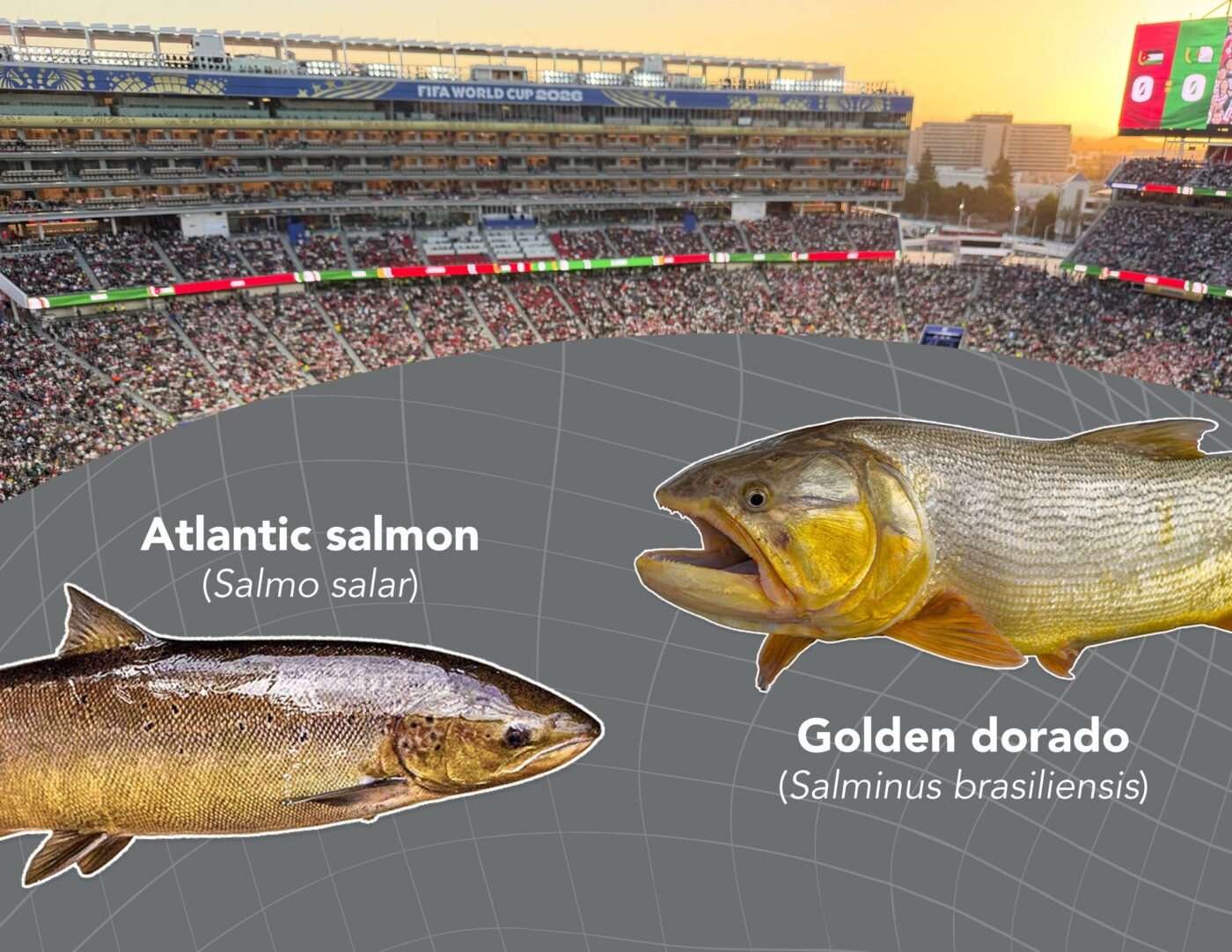
As the FIFA World Cup dominates the world’s attention, fans everywhere debate which nation will ultimately lift the trophy. While soccer analysts brood over statistics, we couldn’t help but wonder which fish species hold special places in the hearts of front running teams. Argentina, Spain, and England are teams frequently predicted to contend for the championship, and we’ve picked a remarkable fish from each country that reflects something unique about its waters and culture.
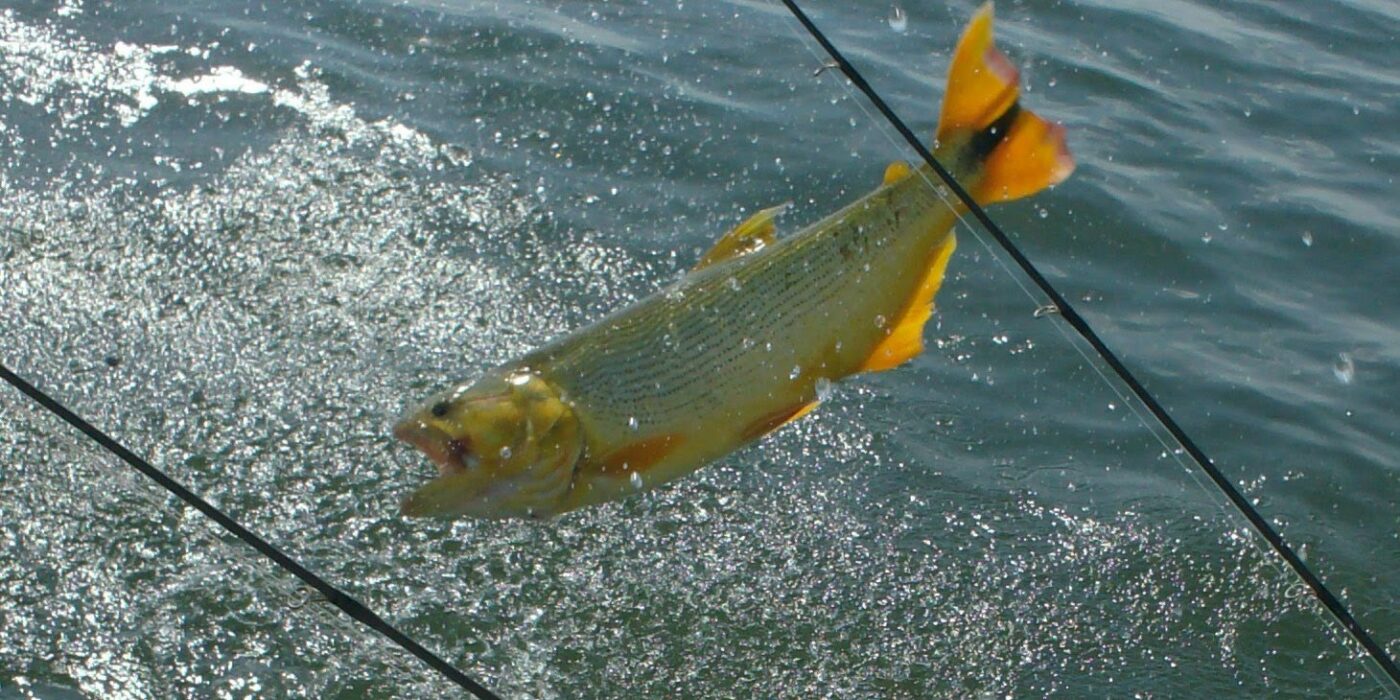
Speed, flair, and aggression are traits shared between Argentina’s national team and the golden dorado (Salminus brasiliensis), from the Paraná River Basin. Dorado are famous for their voracity, and anglers from around the world travel to Argentina’s sub-tropical north in hopes of encountering the “River Tiger”. Reaching nearly four feet (1.2 m) in length, weighing as much as 60 pounds (27 kg), and known for their explosive strikes, spectacular leaps, and an unwillingness to surrender once hooked, they are among the most sought-after sport fish in the Americas. Despite its name, the dorado isn’t related to the marine mahi-mahi (also called “dolphinfish” or “dorado”). Instead, it belongs to the Characidae family, a diverse group of freshwater fishes ranging from tiny aquarium tetras to piranhas.
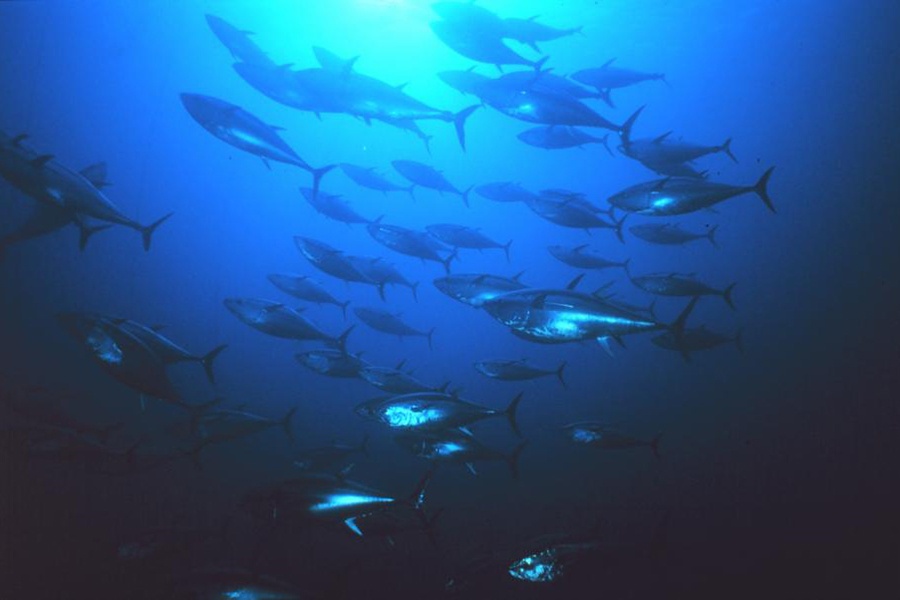
While Argentina’s dorado (and players) are flashy, exciting, and capable of producing moments that leave spectators speechless, Spain’s aquatic champion ranks among the largest and most powerful bony fishes on Earth—the Atlantic bluefin tuna (Thunnus thynnus). From Galician fishing ports to Mediterranean seafood markets, Spain’s connection to the sea runs deep, and the Atlantic bluefin tuna is a symbol of that relationship. Exceeding 10 feet (3 m) in length and weighing more than 1,500 pounds (680 kg), bluefin tuna are built for speed and endurance. Their migrations cover thousands of miles, and their thermoregulation gives them a competitive edge. Long before the first World Cup, Spanish fishers developed the almadraba, an elaborate system of nets designed to intercept tuna as they migrate through the Strait of Gibraltar to their spawning grounds. This method has been practiced for centuries and remains part of Spain’s cultural heritage. Like Spain’s tiki-taka style of play, bluefin tuna combine technical precision, endurance, and world-class performance to dominate.
England’s finned representative is a famous aquatic traveler: the Atlantic salmon. Unlike Argentina’s freshwater dorado or Spain’s ocean-faring tuna, salmon bridge both worlds. Hatched in freshwater, they spend several years in natal streams before migrating thousands of miles throughout the North Atlantic. Their unparalleled ability to jump over obstacles during their homeward migration inspired their scientific name, Salmo salar (“leaping salmon”). Although said to clear the surface by as much as 12 feet (4 meters), this astonishing ability hasn’t been enough to avoid challenges posed by pollution, habitat loss, migration barriers, changing ocean conditions, and warming rivers. Although the Magna Carta included provisions to protect salmon migration as early as 1215 AD, Atlantic salmon populations are struggling throughout most of British Isles. Fish exceeding 30 pounds are increasingly rare and pale in comparison to the UK’s rod & reel record of 64 pounds, caught over 100 years ago. Optimistically, some Atlantic salmon conservation efforts in the UK are showing localized success. Like Atlantic salmon finding their way back to a restored river, every tournament brings renewed hope for soccer fans that, after a long and winding journey, this might be their year.
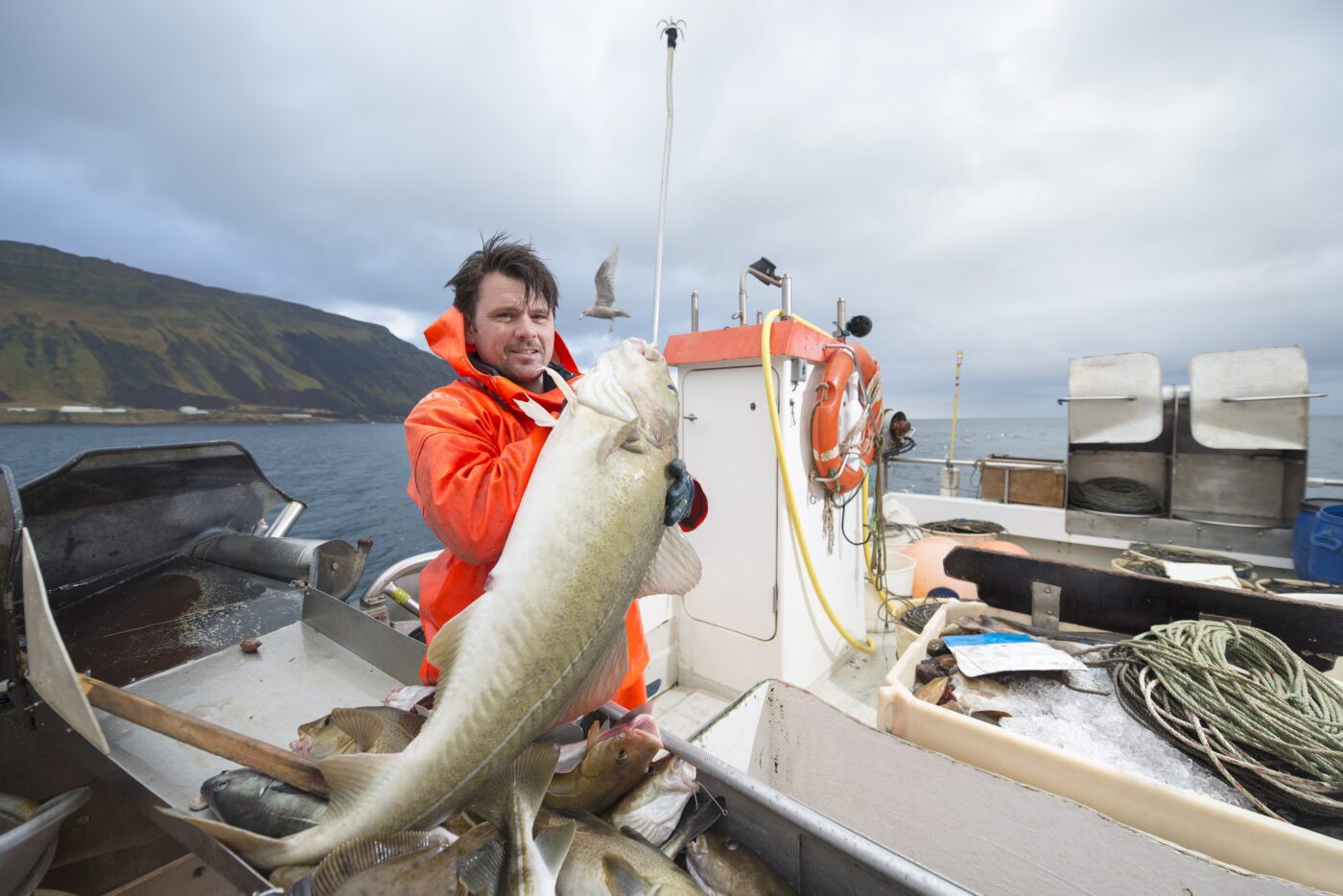
Although Argentina’s dorado, Spain’s bluefin tuna, and England’s Atlantic salmon couldn’t be more different, fishes commonly found on dinner plates in these countries have a closer relationship. In Spain, hake is the country’s most widely consumed fish. Argentina’s Argentine hake (Merluccis hubbsi) is the nation’s most valuable commercial fishery, supplying both domestic and international markets, with Spain being among its top export destinations. Across the pond in England, cod and haddock remain the stars of England’s iconic fish and chips. Hake, cod, and haddock all belong to the order Gadiformes, creating a culinary connection among these World Cup front runners. Different species may symbolize these soccer powerhouses’ skillsets and style of play, but closely related fishes are food staples of everyday cuisines in all three nations, reminding us that even in a tournament defined by national pride, the ties between countries often run deeper.
Header Image Caption: Argentina’s golden dorado (PC: David Morimoto, CC 2.0), Spain’s bluefin tuna (PC: Rafa Gallut, CC 3.0), and England’s Atlantic salmon (PC: Hans-Petter Fjeld, CC 2.5) all have cultural significance, and a few things in common with their nation’s teams.
This post was featured in our weekly e-newsletter, the Fish Report. You can subscribe to the Fish Report here.