

Monday July 20, 2026
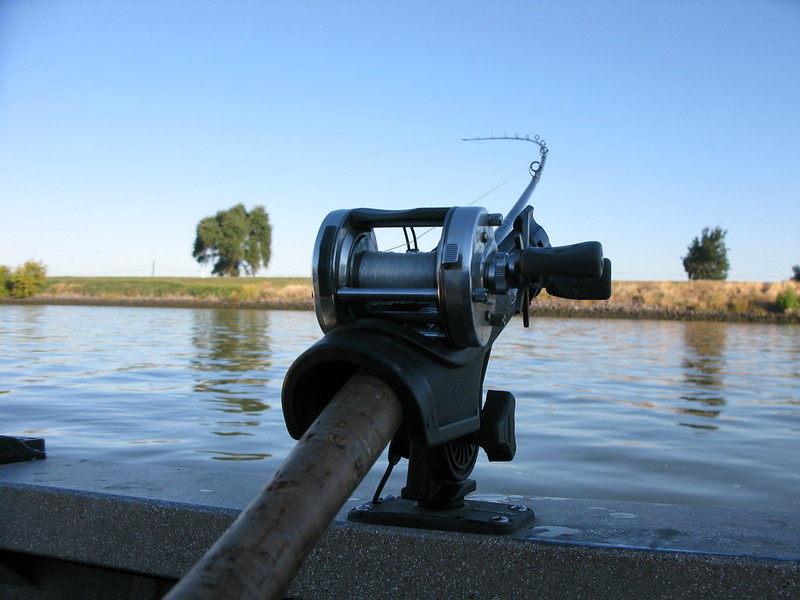
For the first time in three years, Central Valley anglers are once again watching the Sacramento River for returning Chinook salmon. Last week marked an important milestone when the summer Chinook salmon fishing season opened on the river after three years of closures. This is the second time in the last 20 years that the fishery has closed, with closures in 2008 and 2009 occurring in response to poor returns in 2007. The reopening of the Sacramento River season also comes alongside the decision to reopen California’s commercial ocean salmon fishery in 2026 for the first time in three years. These management decisions cautiously hint at signs of improvement for Chinook salmon populations in California and offer a look at what may be a win for both culture and conservation.
In the early 2000s, recreational salmon harvests in California were consistently over 100k fish per year, supporting anglers, guides, tackle shops, river communities, and coastal businesses tied to the broader salmon fishery. As recently as 2014, recreational ocean anglers harvested 75,200 salmon, while inland recreational anglers harvested 47,700 salmon in California rivers. Together, inland and ocean recreational fisheries had a total economic impact of $73 million for the state of California in 2014, with every fish caught in-river having an economic impact of approximately $1,200. That means the return of recreational salmon fishing marks the return of an important economic revenue source for many in California.
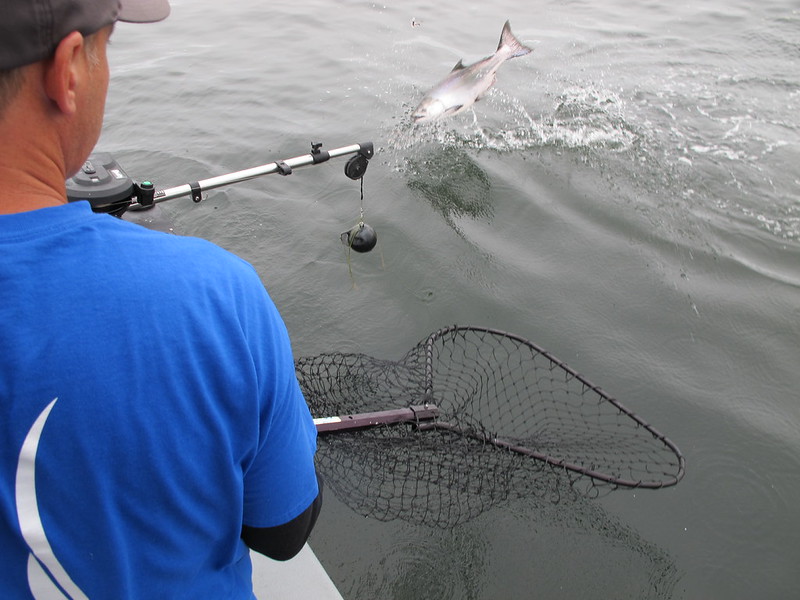
The recent years of fishery closures were prompted by numerous factors. After consecutive drought years from 2020 to 2022, 2023 brought about a historically wet season that allowed for a large juvenile cohort to make it to the ocean. As this large cohort matured in ocean waters, closures of both commercial ocean and recreational ocean fisheries, along with restrictions on inland recreational harvest, meant that more adult salmon had the potential to survive and return to spawn. These factors—coupled with continuing wet years, ongoing restoration efforts, and increased hatchery production—have led to larger numbers of salmon returning than in previous years, prompting the opening of both ocean and inland salmon fisheries in 2026.
The return of these fisheries represents how conservation managers are making decisions intended to balance both fishing opportunities and conservation needs. While the decision to open the seasons reflects cautious optimism about salmon numbers, the populations are still rebuilding. Preseason predictions estimate that 250,000 to 300,000 salmon will be returning to the Sacramento River alone this year. However, the final salmon numbers will not be known until the end of the year, and an overestimation can potentially result in mistakenly high quotas and overharvest. In-season monitoring efforts and conservation rules remain important tools to ensure that fishing seasons work in tandem with recovery efforts. For example, on the Klamath and Trinity rivers, a season closure will be triggered once 3,248 fall-run adults are harvested. Be sure to check specific information regarding size, bag, and possession limits before heading out for a day on the water.
Fortunately, cautious optimism is still optimism, and opening the inland fisheries has lifted the spirits of scientists, anglers, and communities alike. The thousands of anglers that the salmon bring in will also economically benefit guides, bait and tackle shops, and local communities. However, Chinook salmon remain vulnerable to drought, warming rivers, altered flows, habitat loss, and other long-term pressures that continue to shape their survival from freshwater to the ocean and back again. This season gives anglers, managers, and communities a chance to reconnect with an important fishery while also watching closely to see how the salmon returns unfold. If strong runs continue, 2026 may be remembered not just as the year salmon fishing returned to California’s rivers, but as a reminder of what is possible when favorable conditions, conservation measures, and recovery efforts align.
Header Image Caption: Salmon season on the Sacramento River opened last week, following three years of closures.
This post was featured in our weekly e-newsletter, the Fish Report. You can subscribe to the Fish Report here.