

Monday September 14, 2026

Whether you study California’s rivers or the Great Lakes, the fisheries community shares remarkably similar research interests and conservation challenges. From August 30 to September 3, FISHBIO scientists traveled to Columbus, Ohio, to attend the 156th American Fisheries Society (AFS) meeting where we got to hear about national fisheries topics. Columbus was a fitting backdrop for a fisheries conference, given Ohio’s unique location between the Great Lakes and the Ohio River, and Columbus’ placement on the Scioto River. This meeting was one to remember, with hundreds of presentations and posters, and a host of opportunities for FISHBIO to present research, connect with colleagues, and make a splash exhibiting new technology.
The opening plenary session dove right into exploring the conference theme, “The heart of sustainability: Habitat as the foundation of productive fisheries”. Dr. Stuart Ludsin first discussed the complex habitat interactions in the Great Lakes and the need for expanded tools and resources, or a “bigger boat”, to conserve and better understand our freshwater resources. Eric Saas then presented on successful wetland restoration projects implemented by the H2Ohio program, highlighting both the intrinsic and functional values of freshwater ecosystems. A second set of plenary talks discussed habitat efforts happening on a national scale, including perspectives from the US Fish and Wildlife Service and a presentation about the National Fish Habitat Partnership.
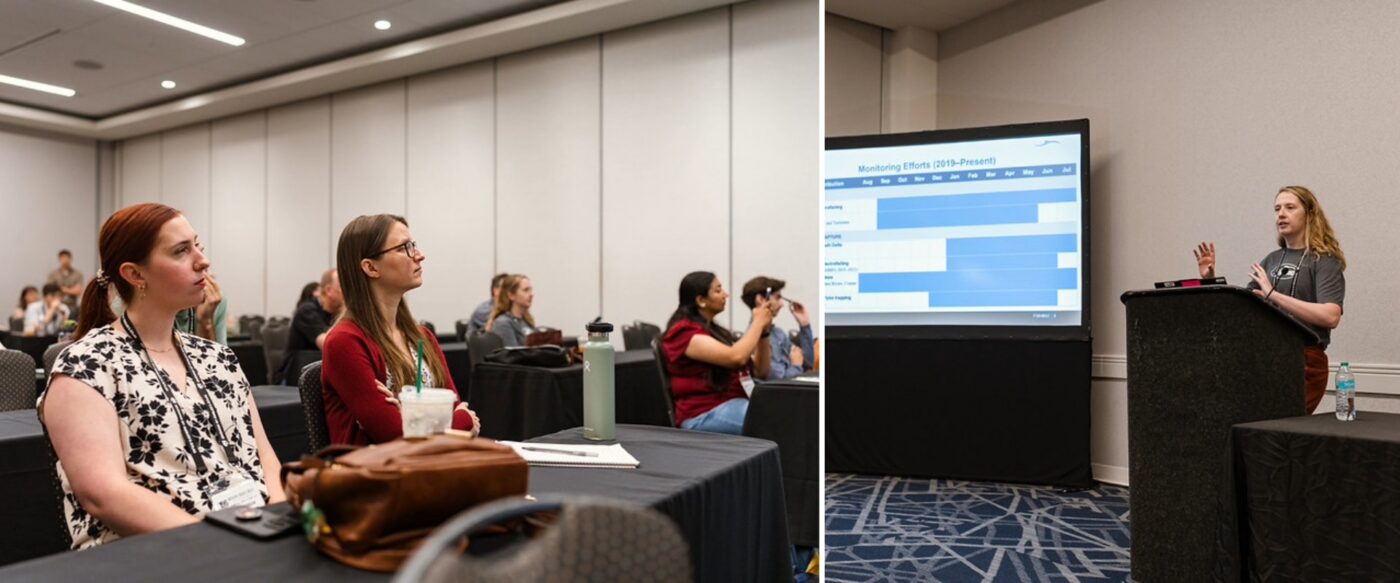
The first two days of sessions covered a range of topics, including recreational and commercial fisheries management, the impacts of wildfires on aquatic ecosystems, and navigating the challenges associated with habitat restoration and connectivity. A presentation given by Sam Ward of Stillwater Sciences provided insight into a pilot restoration project on the Los Angeles River, which is a highly altered and channelized river that once supported steelhead. This talk, and many others, highlighted the need for creative solutions and addressing major restoration efforts one piece at a time. The habitat-focused theme was carried throughout the week as two FISHBIO staff members presented some of our work on non-native predators in the Sacramento-San Joaquin Delta in the “Building resilient ecosystems through invasive species and habitat management” session.
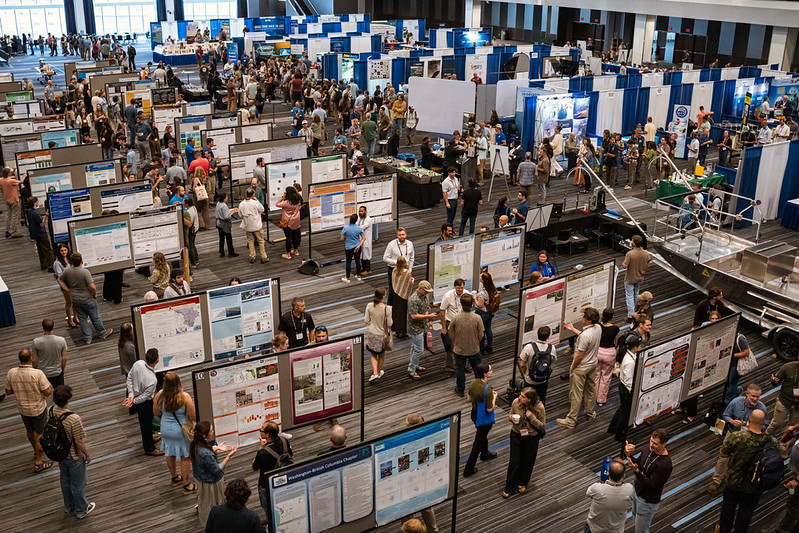
Another focus during the meeting was evolving technologies in the fisheries world. A session held on Wednesday, cleverly titled “‘MacGyvering’: Innovative Problem Solving in Fisheries Science”, featured creative technologies and methods used to address ecological problems. Tyler Hessler from the University of Missouri presented a suite of remote sensing tools, including an ADCP, sidescan sonar, drones, and a 360-camera, to efficiently characterize riverine habitat. Another presenter from the Arizona Game and Fish Department discussed the potential of using ultrasonic technology for controlling algae growth. There was also an engaging session on the issues surrounding artificial intelligence (AI) in academia, research, and the field of fisheries. These presentations centered on the pitfalls of AI in science, but also on beneficial uses and efficiencies that can be gained from these advances.
FISHBIO and our partners at Simsonar also enjoyed our time as part of the tradeshow this year. Our booth focused on demonstrating Simsonar’s underwater camera systems and fish identification software by having attendees drive remote-controlled fish through a tunnel equipped with a FishCounter camera. We also presented on this technology, highlighting FISHBIO and Simsonar’s work in Norway using this computer-vision based system to recognize and selectively trap invasive pink salmon while allowing native species to continue their migration.
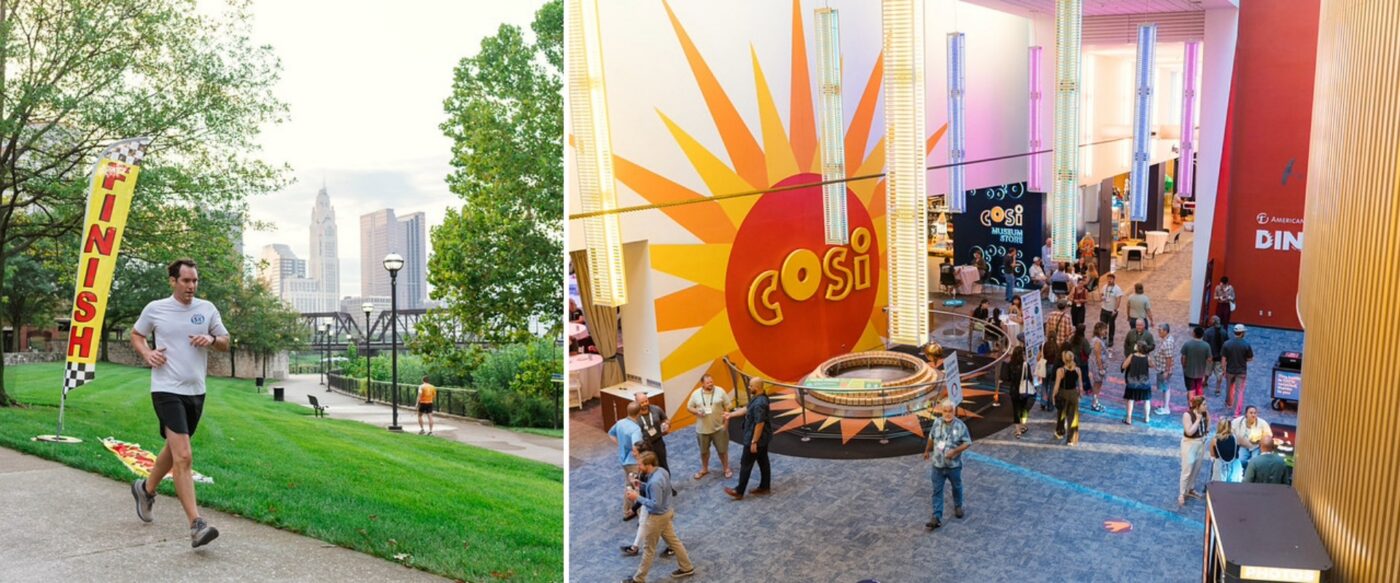
Beyond the scheduled sessions, the meeting offered valuable opportunities to build national and international connections. Events like the First Time Attendee Meet Up and the annual Spawning Run provided opportunities to socialize and network outside of presentations and poster sessions. The Grand Networking Event at Columbus’ Center of Science and Industry (COSI) was a highlight for many, giving attendees the chance to roam the museum and experience unique exhibits from dinosaurs to space exploration while continuing conversations from the conference. Ultimately, traveling to Ohio reinforced that fisheries science is a collaborative, nationwide effort. Whether dealing with non-native predators in the Sacramento-San Joaquin Delta or habitat restoration in the Midwest, meeting people who are trying to answer similar questions leaves us all excited to tackle the future of fisheries research together.
Header Image Caption: FISHBIO and Simsonar enjoyed presenting and networking at the 156th AFS conference.
This post was featured in our weekly e-newsletter, the Fish Report. You can subscribe to the Fish Report here.